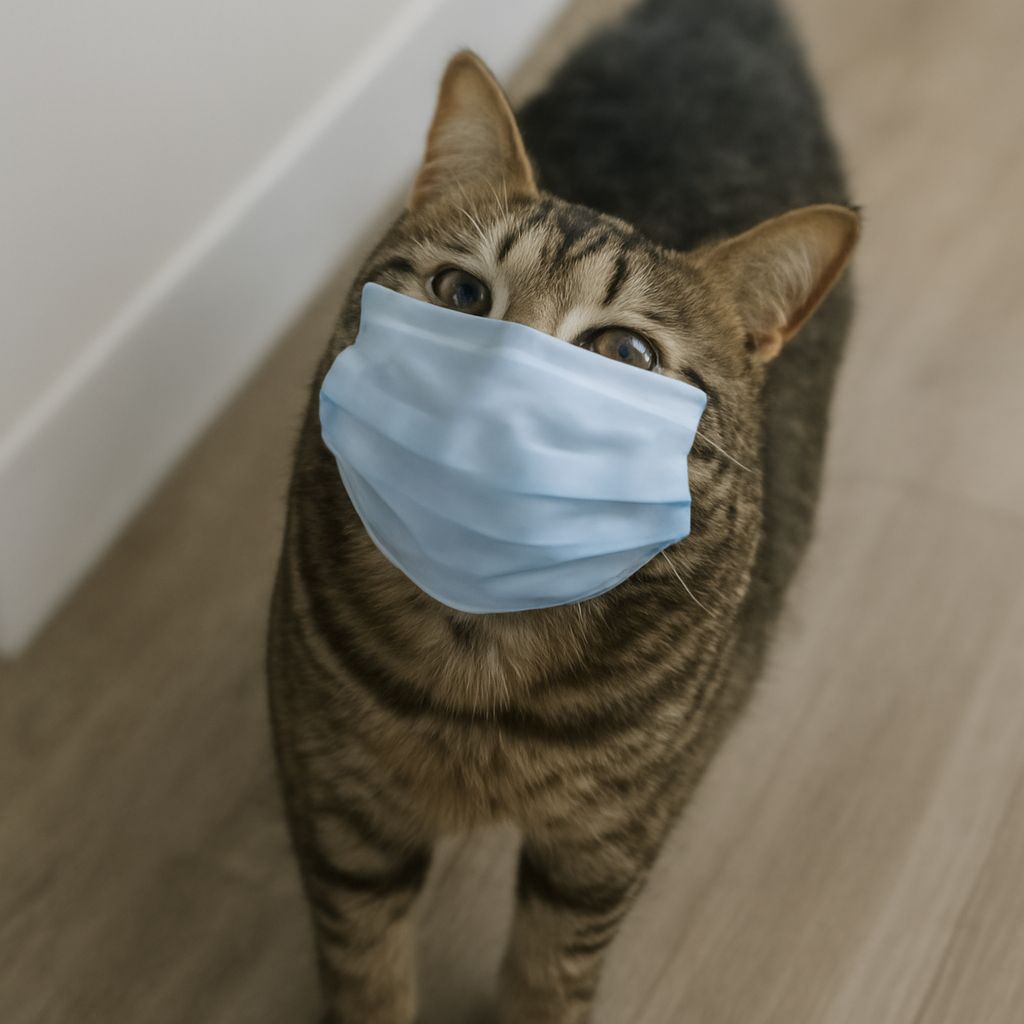
Imagine you’re relaxing at home with your feline companion when suddenly you notice something unusual. Your cat is hunched over, emitting a dry, hacking sound, as if attempting to clear a blockage, but nothing seems to come up. This cat wheezing cough can be concerning, leaving you unsure of what to do next. Is it a minor issue, or could it be a sign of a more serious respiratory problem?
Your cat keeps coughing but nothing comes up. You’re left wondering if it’s an allergy, a hairball, or perhaps something more severe like heartworm disease. Understanding the potential causes can help you determine when it’s time to consult a veterinarian and what you might expect during a veterinary examination.
Causes of Cat Wheezing and Coughing
Common Respiratory Infections
Respiratory infections are a frequent cause of coughing and wheezing in cats. These infections, often viral or bacterial, can lead to symptoms such as sneezing and nasal discharge. A common culprit is feline herpesvirus, which can result in chronic respiratory issues if not managed properly.
Allergies and Asthma in Cats
Just like humans, cats can suffer from allergies and asthma, which may trigger coughing. Allergens such as pollen, dust, and smoke can irritate a cat’s airways, leading to wheezing and coughing fits. It’s important to identify and minimize exposure to known allergens to alleviate these symptoms.
Foreign Objects in the Airway
Occasionally, a foreign object, like a small toy or piece of food, can become lodged in your cat’s airway. This can cause persistent coughing as the cat attempts to expel the object. Immediate veterinary attention is necessary to safely remove any obstruction.
Heartworm Disease
Though more common in dogs, heartworm disease can also affect cats, causing respiratory distress. Infected cats may exhibit signs of coughing and wheezing, as the parasites migrate to the lungs and heart. Preventive measures and early detection are key in managing heartworm in felines.
Symptoms to Watch For
Distinguishing Between Coughing and Wheezing
Understanding the difference between a wheezing sound and a cough is vital. Wheezing typically presents as a high-pitched whistling noise during breathing, indicating narrowed airways. In contrast, a cough is a forceful expulsion of air from the lungs, often sounding dry or hacking.
When Coughing is a Serious Concern
If your cat’s coughing persists for more than a few days, or if it is accompanied by other symptoms like lethargy or loss of appetite, it is crucial to seek veterinary advice. Persistent coughing can be indicative of more severe conditions requiring immediate attention.
Other Signs of Respiratory Distress
Be alert to other symptoms of respiratory issues, such as open-mouth breathing, rapid breathing, or bluish gums. These signs suggest that your cat may be struggling to get enough oxygen, necessitating urgent medical care.
Diagnosing Your Cat’s Respiratory Issues
Veterinary Examination and Tests
A comprehensive veterinary examination is essential when dealing with respiratory problems in cats. The vet may conduct a physical assessment, listening to the lungs and heart to identify abnormal sounds or rhythms.
Imaging and Radiographs
To accurately diagnose the cause of wheezing or coughing, imaging techniques like X-rays or ultrasound may be employed. These tools help reveal structural abnormalities or the presence of fluid in the chest.
Laboratory Tests
Blood tests and other lab diagnostics can provide valuable insights into underlying conditions, such as infections or parasites. These tests can guide the vet in determining an effective treatment plan.
Understanding the Diagnosis
Once a diagnosis is made, your vet will explain the findings and discuss the best course of action. Understanding your cat’s diagnosis is crucial for effective management and treatment of the condition.
Treatment and Prevention
Medication and Therapies
Treatment may involve medications such as antibiotics for bacterial infections, or corticosteroids and bronchodilators for asthma management. Your vet will tailor the treatment plan to suit your cat’s specific needs.
Home Care Tips
Caring for a cat with respiratory issues includes maintaining a clean, allergen-free environment and ensuring they are comfortable. Monitoring your cat’s breathing and overall health is essential to provide timely interventions if needed.
Preventive Measures
Preventive strategies, such as regular deworming and vaccinations, are vital in safeguarding your cat against certain respiratory diseases. Additionally, avoiding exposure to tobacco smoke and other irritants can help prevent respiratory complications.
When to Seek Emergency Care
If your cat experiences severe breathing difficulties or shows signs of distress, immediate veterinary attention is necessary. Rapid intervention can be life-saving in critical situations.
Key takeaways: Recognizing the signs of respiratory distress in your cat is crucial for timely intervention. Understand potential causes and when to seek veterinary assistance. Maintain preventive care to ensure your cat’s respiratory health.