Imagine it’s a quiet evening, and your feline friend is nestled in their favorite spot, softly purring as they drift into sleep. You notice a small wet spot forming on your couch and realize your cat is drooling while sleeping. You wonder if this drooling is akin to cat drooling when happy or if it might indicate a deeper issue. If the drooling persists, especially if your cat is not eating, you’re right to be concerned. Understanding the various reasons behind why your cat is drooling and not eating can help you provide the best care.
Understanding Why Cats Drool
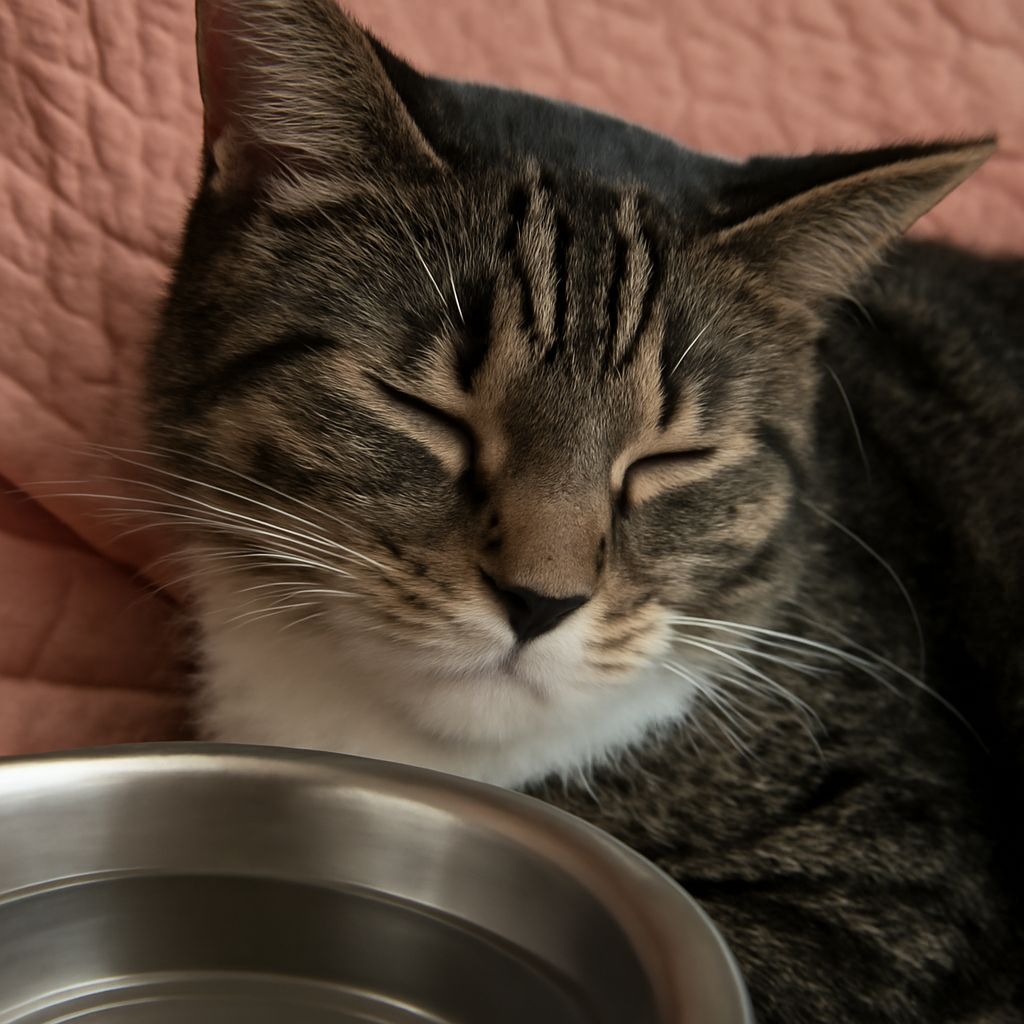
Reasons for Cat Drooling While Sleeping Drooling in cats can occur for several reasons, some as innocuous as a deep slumber. Just as humans might drool when particularly relaxed, some felines may also drool when they reach a deep sleep phase. If your cat drools occasionally when sleeping, it might simply be a sign of comfort and relaxation.
However, if drooling is frequent, it could be indicative of an oral health issue. Dental problems like gingivitis or tooth decay can lead to excessive drooling. Check if your pet shows signs of oral discomfort or a reluctance to chew. Observing your cat’s behavior and visiting a veterinarian when in doubt can help ensure their oral health is in order.
Causes of Cat Drooling When Happy
Cat drooling when happy can also be perfectly normal. Some cats express their contentment through drooling, especially during petting or cuddling sessions. This drooling is typically accompanied by purring and kneading, behaviors that signal a content and relaxed state.
Additionally, certain breeds are more prone to drooling when they experience pleasure. If your cat drools consistently during happy moments, and it coincides with other signs of happiness like purring and relaxed body language, it is likely a natural response to their contentment.
When to Be Concerned: Cat Drooling Not Eating
Common Causes of Cat Drooling and Not Eating If your cat is drooling and not eating, it requires closer examination. This combination can signal stress, anxiety, or a more serious health problem. Oral issues such as stomatitis or ulcers may cause discomfort leading to a reluctance to eat. You might notice them pawing at their mouth or showing signs of pain while trying to chew.
Furthermore, systemic conditions like kidney disease or liver problems can also result in drooling and decreased appetite. It’s important to keep a lookout for other symptoms such as lethargy, vomiting, or changes in urination patterns, as these could point to more significant health concerns.
Identifying Signs of Health Problems
- Oral Health Issues: Look for signs like bad breath, inflamed gums, or loose teeth.
- Gastrointestinal Problems: Vomiting, diarrhea, or constipation can accompany drooling and not eating.
- Systemic Illnesses: Increased drinking or urination, weight loss, or changes in coat quality.
If any of these signs are observed alongside drooling and not eating, it is crucial to seek veterinary attention promptly. Early intervention can often prevent more serious health outcomes.
What to Do If Your Cat Is Drooling and Not Eating
The first step is a thorough examination by a veterinarian to rule out any serious conditions. They may perform a dental check-up, blood tests, or other diagnostics to uncover potential underlying issues. Based on the findings, your vet can recommend appropriate treatments or lifestyle adjustments.
In some cases, addressing environmental stressors can also help. Ensure your cat’s environment is comfortable and stimulating, with proper nutrition and hydration readily available. Regular check-ins and monitoring their behavior can provide further insights into their wellbeing.
Safety Recap: If tools or color care play a role, ensure safe usage and consult a professional for proper guidance. Always seek veterinary advice if you notice changes in your cat’s drooling patterns or eating habits.