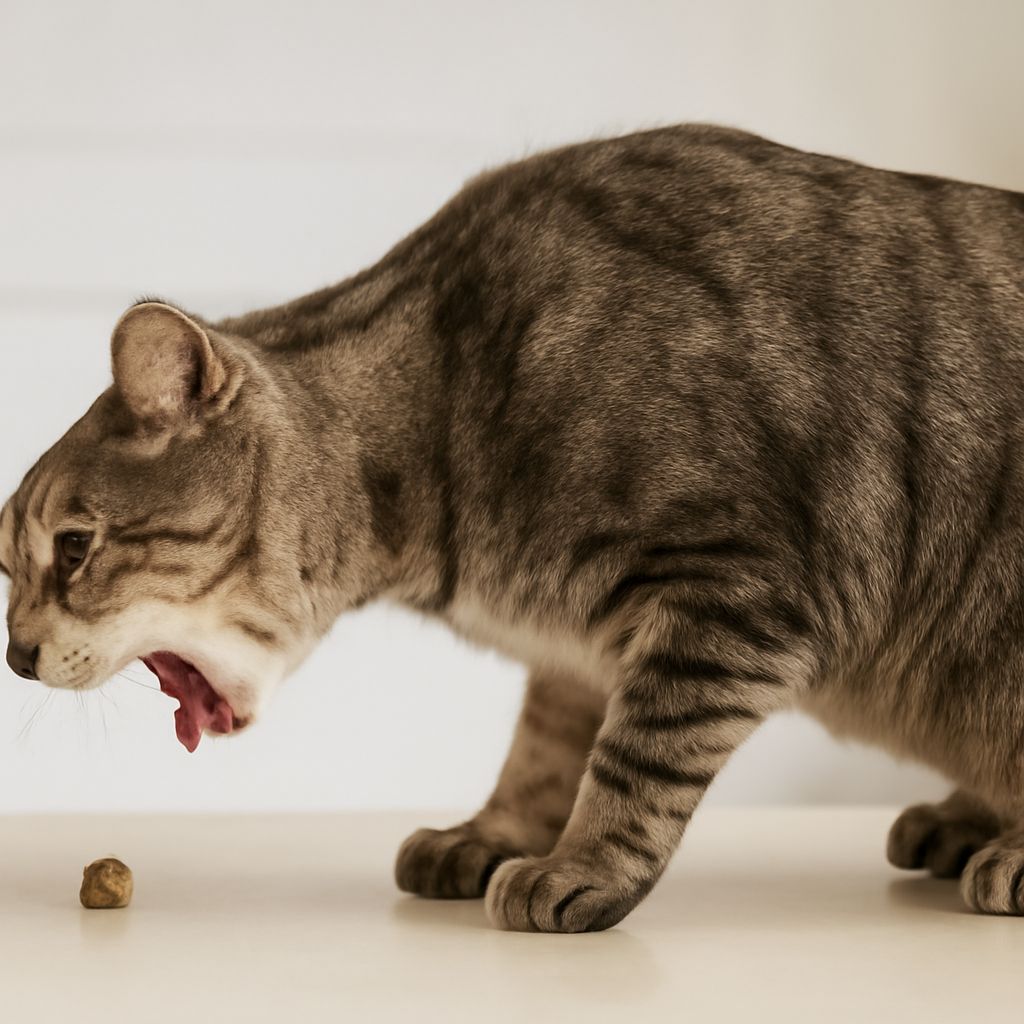
Imagine this: You come home after a long day, only to find your beloved feline has left a messy surprise for you on the carpet. Frustrated, you wonder, “Why do cats puke so much?” You’ve noticed your cat vomiting food regularly, sometimes after it eats too fast and throws up, or after enjoying its favorite wet food. These incidents leave you concerned about what’s causing this behavior and how to prevent it. In this article, we’ll delve into why a cat may throw up after eating wet food or why cat vomits daily, offering insights and solutions to help you manage these common issues.
Common Causes of Cat Vomiting Food
Digestive Sensitivities
Cats, much like humans, can experience digestive sensitivities that lead to vomiting. This occurs when your feline friend’s stomach struggles to process certain components in their diet. Cat vomits can be triggered by sudden changes in diet or an introduction of new foods that their digestive system isn’t accustomed to handling. Sensitivity to specific ingredients can lead to consistent tummy troubles, prompting your cat to vomit soon after meals.
Food Allergies
Food allergies in cats are more common than many pet owners might realize. These allergic reactions can manifest as frequent vomiting, among other symptoms. If your cat is allergic to specific proteins or additives in their food, it might consistently throw up after eating. Identifying these allergens and removing them from your cat’s diet is essential to curb this issue.
Eating Habits
The way your cat eats can also contribute to vomiting. Cats that eat too quickly may not chew their food thoroughly, leading to regurgitation soon after a meal. Additionally, any drastic changes in the amount or frequency of meals can upset their digestive rhythm, potentially causing vomiting.
Cat Eats Too Fast and Throws Up
Symptoms and Signs
If your cat is eating too quickly, you might notice them vomiting shortly after meals. Other signs include gulping down food and demanding more even after a full meal. It’s crucial to observe these symptoms and recognize the potential impact on their digestion.
Preventive Measures
To prevent your cat from eating too rapidly and regurgitating, consider implementing slow-feeder bowls. These bowls are designed to encourage slower eating by making it more challenging for the cat to access the food. Another strategy is to spread small portions of food throughout different parts of the feeding area, which can help pace their eating.
Feeding Techniques
Adjusting your feeding techniques can also help. Offering smaller, more frequent meals can reduce the chances of your cat eating too much at once, which is often a cause of vomiting. Additionally, monitoring your cat during mealtime can help ensure they are eating at a steady pace.
Why Cats Throw Up After Eating Wet Food
Wet Food Ingredients
The ingredients in wet food might sometimes be the culprit behind your cat’s vomiting. Certain preservatives or flavors can irritate a cat’s stomach, leading to regurgitation. Understanding the specifics of what’s in your cat’s wet food can help you identify potential triggers.
Transitioning Foods
When changing your cat’s diet, especially switching from dry to wet food, it’s crucial to do so gradually. A sudden transition can overwhelm their digestive system and cause vomiting. Gradually introducing new food by mixing it with the current diet can help ease the transition.
Monitoring Your Cat’s Diet
Keep a close eye on how your cat reacts to specific wet foods. If they consistently vomit after consuming a particular brand or type, it might be time to try alternatives. Consulting with a veterinarian can also provide additional insights into managing dietary tolerances.
Managing Cat Vomits Daily
Identifying Patterns
To effectively manage frequent vomiting, it’s important to identify any patterns. Take note of when your cat vomits and any external factors that might contribute, such as stress or environmental changes.
Consulting a Veterinarian
Regular vomiting might indicate a more serious underlying issue. Consulting a veterinarian is advisable to rule out any medical conditions that may require treatment. A vet can also guide you in optimizing your cat’s diet and lifestyle to reduce vomiting incidents.
Adjusting Feeding Routines
Sometimes, a simple adjustment in feeding routines can greatly reduce daily vomiting episodes. Ensuring that your cat has a calm, stress-free dining environment and consistent feeding schedule can make a significant difference.
Key Takeaways: Understanding the common causes of cat vomiting is essential for effective management. Adjusting feeding habits, carefully monitoring diet changes, and consulting with a veterinarian are critical steps in preventing and addressing your cat’s vomiting issues.