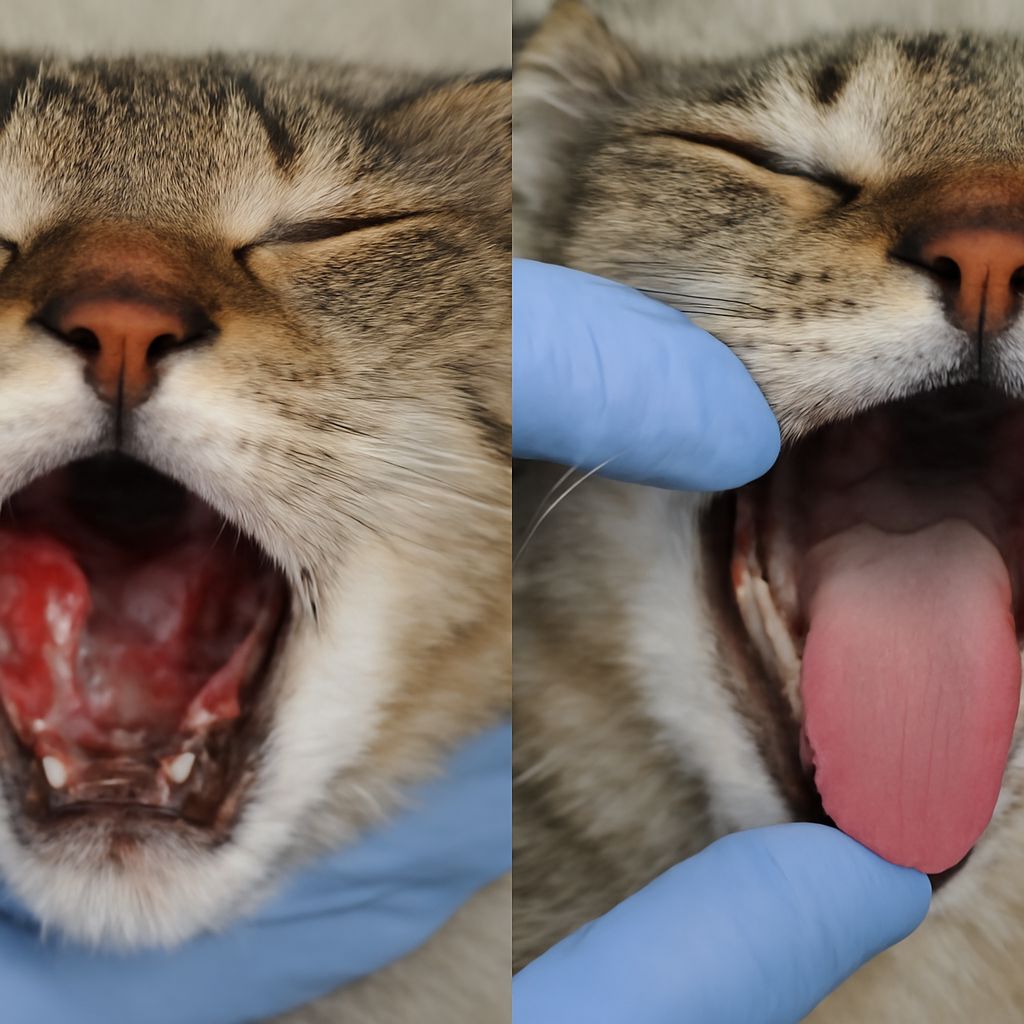
Imagine you’re enjoying a quiet afternoon with your beloved cat nestled on your lap. Suddenly, your feline friend gives you a gentle nibble on the face. You wonder, “Why do cats give love bites?” and whether this behavior is simply a sign of affection or something more concerning. This playful nip prompts you to inspect your cat more closely, only to notice something unusual around their mouth. Could these be cat mouth ulcers? Understanding the difference between playful love bites and potential health concerns like cat mouth sores is essential for every cat owner.
These seemingly harmless actions can sometimes mask underlying issues. It’s crucial to differentiate between innocent behavior and symptoms indicating a need for veterinary attention. Delving deeper into why your cat might bite your face and exploring the root causes of mouth sores will equip you with the necessary knowledge to care for your furry companion effectively.
Understanding Cat Mouth Sores
What Are Cat Mouth Sores?
Cat mouth sores, often referred to as oral ulcers, are painful lesions that can appear on the inside of a cat’s mouth. These sores can range in size and severity, affecting a cat’s ability to eat and drink comfortably. Recognizing these sores early can prevent further discomfort and complications for your pet.
Common Causes of Cat Mouth Sores
Several factors can contribute to the development of mouth sores in cats. Dental disease, viral infections such as calicivirus, or even autoimmune conditions like feline eosinophilic granuloma complex can be culprits. Additionally, physical trauma from chewing on rough objects or even stress can lead to the formation of these painful ulcers.
Symptoms of Cat Mouth Sores
Symptoms of mouth sores in cats include drooling, bad breath, and reluctance to eat. You might also notice your cat pawing at their mouth or showing signs of discomfort when grooming. It’s important to observe these behaviors closely as they might indicate the presence of sores or other oral health issues.
Diagnosis and Treatment Options
A veterinarian can diagnose cat mouth sores through a thorough oral examination and, if necessary, additional tests such as blood work or biopsies. Treatment often involves addressing the underlying cause, such as administering antibiotics for bacterial infections or antiviral medications for viruses. Pain management and supportive care, such as a soft diet, are crucial for helping your cat recover comfortably.
Why Do Cats Give Love Bites?
Understanding Feline Behavior
Love bites are a form of communication in cats, often expressing affection or playfulness. Cats have sensitive skin, and this behavior mimics the way they interact with each other, using gentle nips to show camaraderie or excitement.
Difference Between Playful and Aggressive Bites
Playful bites are typically gentle and accompanied by other signs of enjoyment, such as purring or a relaxed posture. In contrast, aggressive bites are more forceful, often occurring in response to overstimulation or irritation. Understanding these cues is vital to prevent and manage unwanted biting.
Why Does My Cat Bite My Face?
Cats might bite your face for attention or as a form of affection. Sometimes, it may also be a signal to stop a particular action if they are feeling overstimulated. Interpreting your cat’s body language alongside the bites can provide insight into their intentions.
How to Respond to Love Bites
Responding to love bites involves setting boundaries while respecting your cat’s natural behaviors. If the biting becomes too frequent or hard, gently redirect your cat’s attention to a toy or scratch post. Positive reinforcement for gentle interactions can also help train your cat to express affection in non-biting ways.
Preventing Cat Mouth Ulcers
Oral Hygiene Tips for Cats
Maintaining proper oral hygiene can significantly reduce the risk of mouth ulcers. Regular brushing of your cat’s teeth using pet-safe toothpaste, along with dental check-ups, can prevent plaque buildup and oral infections.
Dietary Considerations
A balanced diet plays a crucial role in oral health. Providing a diet enriched with essential nutrients can support your cat’s immune system and oral health. Specially formulated dental diets and treats can also help keep their teeth clean and gums healthy.
Regular Veterinary Check-Ups
Routine veterinary visits are essential in catching potential health issues early. Regular check-ups allow for early detection of oral problems and ensure your cat’s vaccination and dental cleaning schedules are up-to-date.
Next Steps: To ensure your cat’s well-being, regularly observe their behavior for any changes and maintain consistent oral hygiene practices. If you notice signs of discomfort or sores in your cat’s mouth, consult a veterinarian promptly. By staying informed and proactive, you can ensure a happy and healthy life for your furry companion.