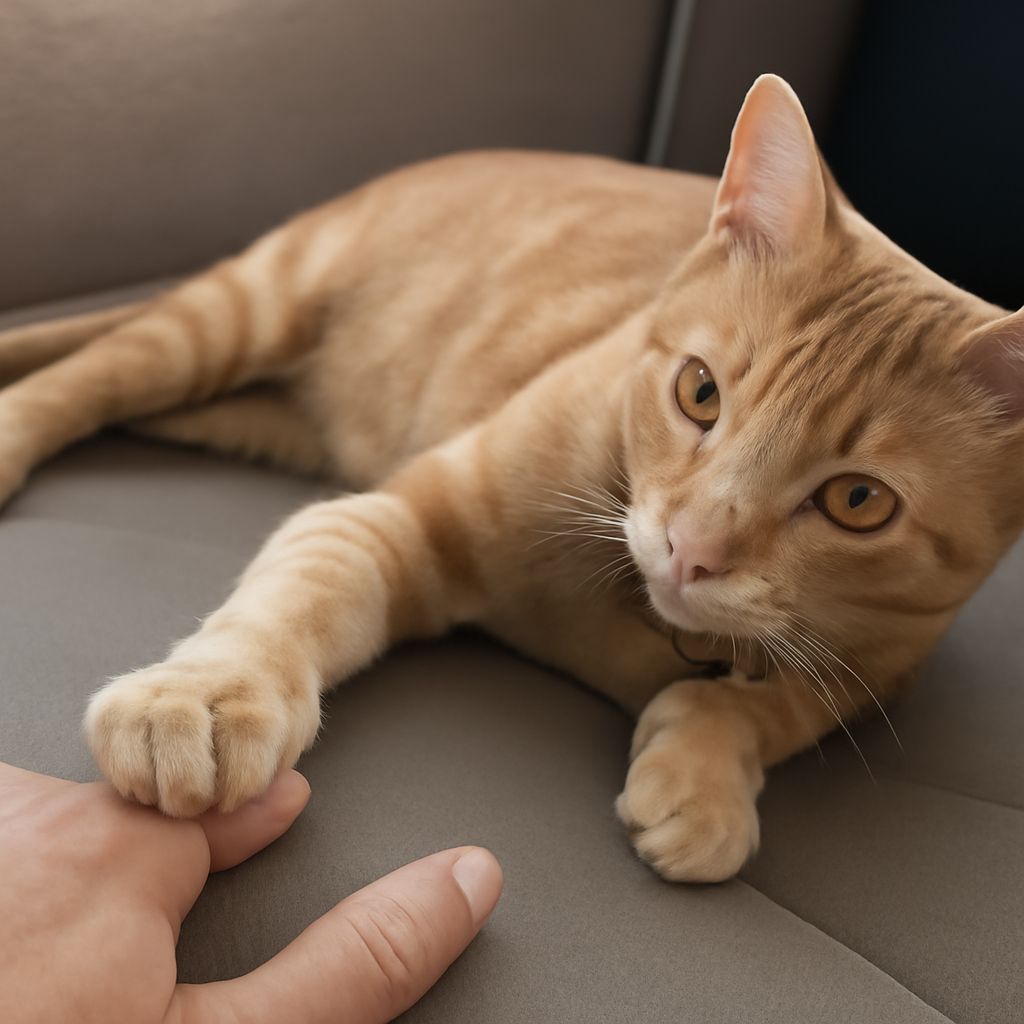
Imagine coming home after a long day, settling into your cozy chair with a warm blanket, only to find your feline friend climbing onto your lap. As you relax, your cat begins to knead the blanket with rhythmic, deliberate motions, as if making muffins in an imaginary bakery. It’s a familiar scene for many cat owners, but you might wonder, what does it mean when a cat kneads you? Interestingly, this action isn’t reserved for blankets alone; male cats kneading on you can have different implications, involving territory, affection, and instinctual behaviors.
The act of kneading blankets, or even human laps, is deeply rooted in feline instincts and has evolved over time. Understanding why your cat engages in this behavior can provide insights into their emotional world, enriching the bond you share. Let’s delve into the fascinating reasons behind cats’ kneading habits, from comfort-seeking to establishing ownership.
The Origins of Kneading Behavior
Instinctual Beginnings
Kneading is an instinctual behavior that originates early in a kitten’s life. As newborns, kittens knead their mother’s belly to stimulate milk flow during nursing. This behavior ensures they receive the nourishment necessary for growth and survival, embedding kneading as a fundamental instinct.
Kittens and Nursing
During nursing, the action of kneading is comforting for kittens. It provides both sustenance and security, creating a lifelong association with comfort. Even as cats grow, the soothing effect of kneading remains, often serving as a self-soothing mechanism in adulthood.
Evolutionary Adaptations
Over generations, kneading has evolved beyond its original purpose. Cats knead not only for comfort but also as a way to express various emotional states. This evolution of kneading serves multiple functions, adapting to the changing needs and environments of domestic cats.
Why Do Cats Knead Blankets?
Comfort and Security
Cats often knead blankets to create a sense of comfort and security. The soft, pliable nature of a blanket mimics the familiar sensation of their mother’s fur or the nest-like environment where they feel safe. This behavior can create a calming effect, helping them to relax and feel secure.
Scent Marking
Kneading is also a form of scent marking. Cats have scent glands in their paws, and as they knead, they release their individual scent onto the blanket. This action marks the blanket as theirs, establishing a form of ownership and territory.
Territory and Ownership
By kneading, cats assert their presence and claim ownership over their environment. Blankets, being portable and comforting, are ideal objects for this territorial behavior. Kneading blankets becomes a ritual of marking territory, reassuring them of their control over their immediate surroundings.
What Does It Mean When a Cat Kneads You?
Affection and Bonding
When a cat kneads you, it’s often a display of affection and bonding. This behavior signifies trust and comfort, indicating that your cat feels safe and secure in your presence. It’s a way for them to connect with you on a deeper level, akin to how they bonded with their mothers as kittens.
Seeking Attention
Kneading can be a method for cats to seek attention from their humans. The rhythmic motion and accompanying purrs catch your attention, inviting interaction and affection. It’s your cat’s way of saying they enjoy your company and crave your attention.
Stress Relief
For some cats, kneading is a form of stress relief. The repetitive motion helps them to calm down and soothe anxieties. It serves as a natural mechanism for coping with stress, providing a sense of comfort amid potential disturbances or changes in their environment.
Unique Aspects of Male Cats Kneading Behavior
Dominance and Territory
Male cats kneading can sometimes be linked to expressions of dominance and territory. By kneading objects or humans, they assert their presence and stake a claim. This behavior can be more pronounced in male cats, reflecting their instinctual drive to establish dominance.
Hormonal Influences
Hormonal changes in male cats can also influence kneading behavior. During certain phases, such as mating seasons, males may knead more frequently as a way to manage heightened hormonal activity. This behavior can serve as an outlet for energy and stress associated with hormonal fluctuations.
Safety Recap: While observing your cat’s kneading behavior, remember that sharp claws can sometimes cause discomfort or damage to blankets and skin. Regular claw trimming can mitigate this risk, ensuring both your safety and your cat’s comfort during these bonding moments.