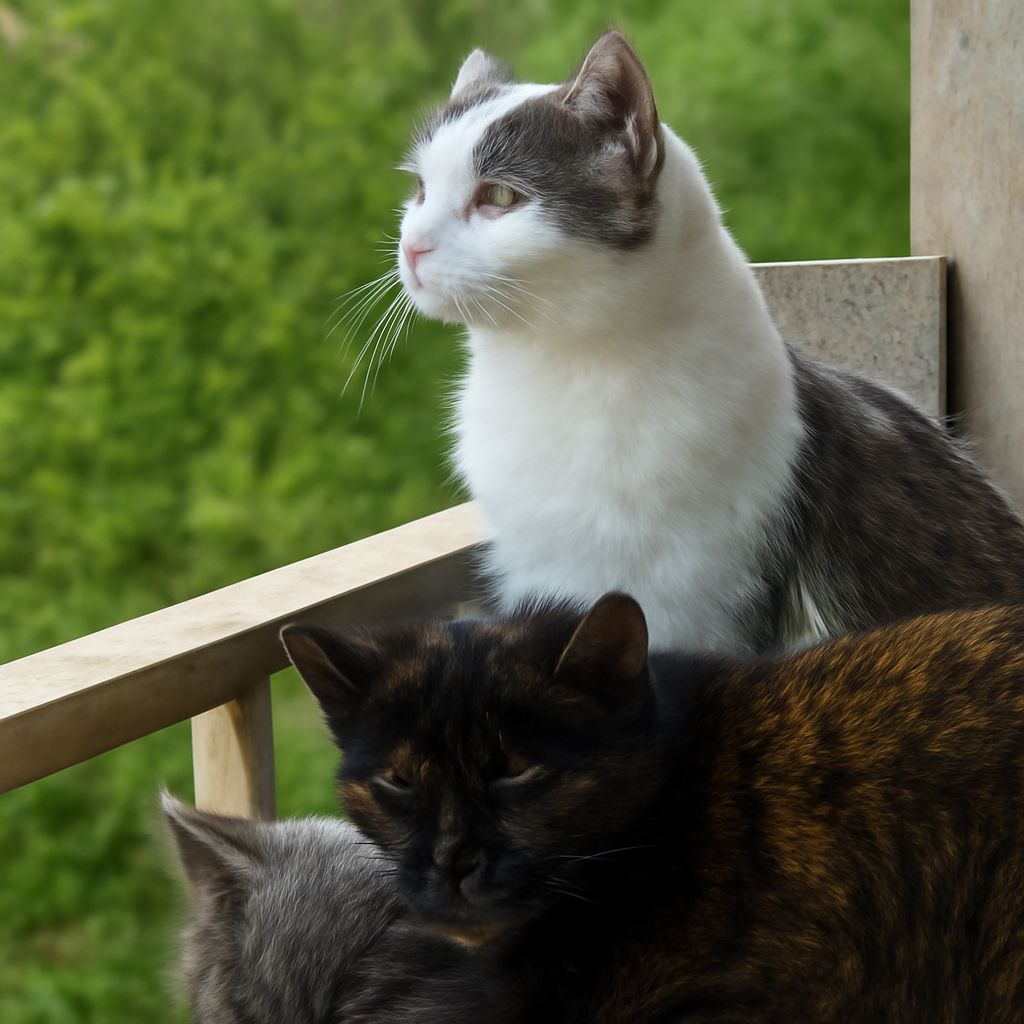
Imagine you’re in a cozy living room, perhaps enjoying a cup of tea, when you suddenly wonder: What is a group of cats called? As a cat enthusiast, you might be curious about the intriguing world of feline terminology. You decide to delve into the world of words used to describe groups of these mysterious creatures. As you explore, you find out that a group of cats is called a clowder, and this simple discovery opens the door to a fascinating linguistic journey. From clowders to more obscure terms, you uncover the charming ways we describe our feline friends.
The Fascinating World of Feline Groups
Cats have long been the subject of fascination and admiration. The terms we use to describe them, especially when they gather in numbers, are equally captivating. While a group of cats is called a clowder, there are many other unique terms at play. Such language gives insight into the historical and cultural contexts that have shaped our understanding of these animals.
In addition to clowder, you might hear cat groups referred to as a glaring, particularly when their collective presence seems imposing. These terms illustrate the multifaceted nature of cats, known for their independence and enigmatic behavior. Linguists and cat lovers alike can appreciate how these words capture the essence of feline social dynamics.
K2: Discovering the Origins
The origins of the term “clowder” trace back to Middle English, with the word evolving over time. It shares roots with the word ‘clutter,’ possibly alluding to the way cats tend to gather or lounge together in seemingly random assortments. Understanding these etymological roots offers a glimpse into the historical relationships between humans and cats.
In addition to clowder, the term “glaring” may derive from the intense gazes that cats often display when in groups, a behavior that has sparked both delight and mystery throughout the ages. These origins enrich our appreciation of feline groups, adding layers of meaning to what could otherwise be simple nomenclature.
K3: Commonly Asked Questions
Common questions often arise about the terminology used for groups of cats. One frequently asked question is, “Is there a term for a group of wild cats?” Indeed, wild cats can also form clowders, though they might be referred to as colonies, especially in feral cat communities.
Another popular inquiry is whether the size of the group impacts the term used. While a small gathering is still a clowder, larger groups might be colloquially referred to as herds or packs, though these are less commonly used. Understanding these variations helps in appreciating the flexibility and richness of feline-related vocabulary.
K4: Misconceptions and Clarifications
Despite the charm of these terms, misconceptions abound. A common misunderstanding is that any gathering of cats is automatically a clowder. However, the term’s usage often depends on the context in which it is applied. For those unfamiliar, clarifying that clowder is specific to domestic cats, while colonies might apply to feral or wild populations, can enhance understanding.
Another misconception involves the interchangeability of terms like herd or pack with clowder. While these terms might be used poetically or humorously, they don’t carry the same historical weight or accuracy. Proper terminology not only respects the linguistic heritage but also reflects a deeper respect for the animals themselves.
K5: Beyond Clowders – Other Feline Terms
Beyond clowders, the feline lexicon is rich with other terms. A kitten group is charmingly called a kindle, a word that evokes warmth and nurturing—qualities often associated with young cats and their caretakers.
Terms like “pounce,” which might describe a group of kittens at play, or “dowt,” an older term less commonly in use today, showcase the diversity in feline language. These words are not just fun to learn but also enrich our conversations about cats, allowing us to share our feline fascinations more precisely.
From the poetic to the playful, these terms capture the spirit of cats and the special place they hold in human society. As language evolves, who knows what new terms might emerge, adding to the already colorful tapestry of feline terminology.
Key takeaways: Understanding that a group of cats is called a clowder enriches our appreciation of these animals. Exploring the origins and variety of feline-related terms not only deepens our linguistic knowledge but also enhances our connections with our feline companions. Whether you’re an avid cat lover or a curious linguist, the world of cat terminology offers endless intrigue.