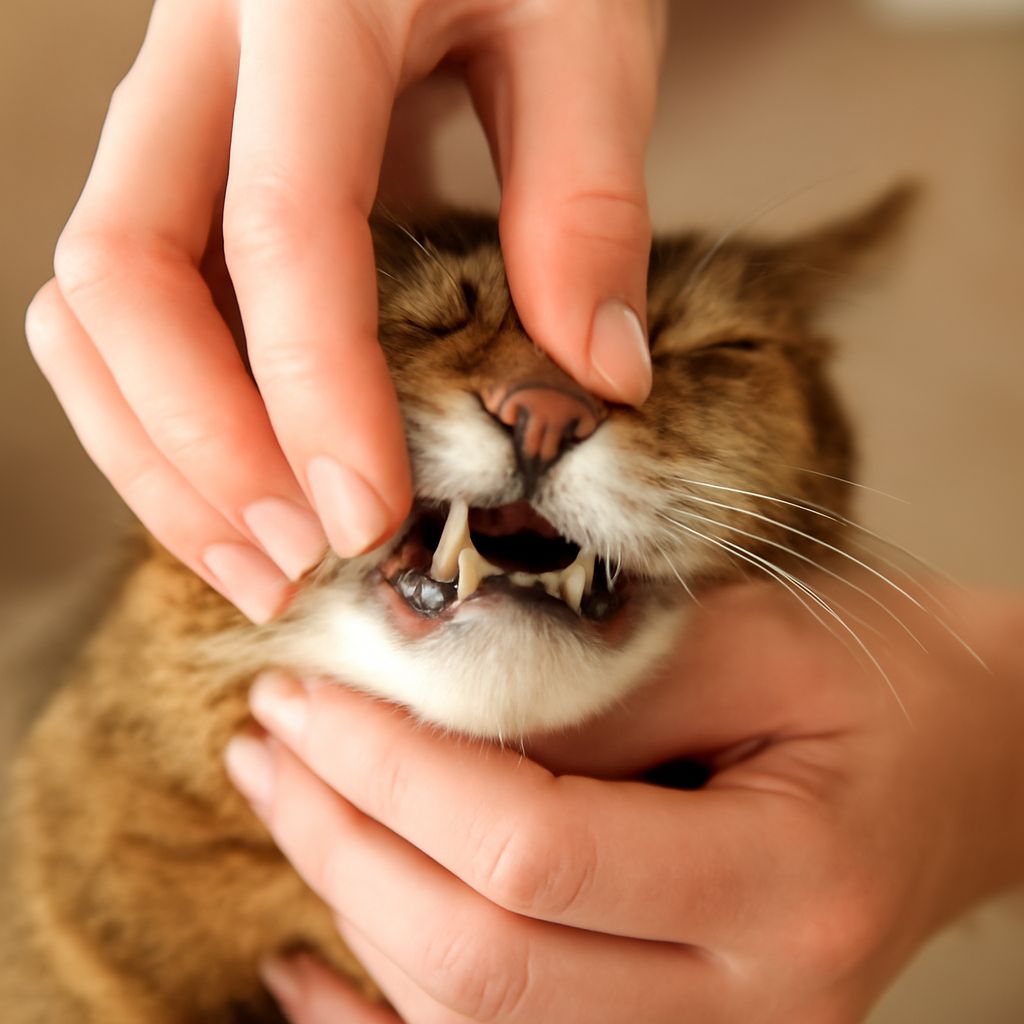
Imagine this: you’re enjoying a peaceful afternoon at home when you notice your beloved cat, Whiskers, seems to be avoiding her food. Concerned, you take a closer look and discover her gums look red and swollen. You realize you haven’t been brushing your cat’s teeth regularly, and now you’re wondering about the potential dental issues she’s facing. Cat brushing teeth can often be overlooked, yet it’s a crucial aspect of maintaining your pet’s overall health. As you consider your options, you remember the importance of brushing cat teeth to prevent future problems.
Why Cat Teeth Brushing Is Important
Cats, like humans, require regular dental care to prevent various oral health issues. Without consistent cat teeth brushing, plaque and tartar can accumulate, leading to gum disease, tooth decay, and even systemic health problems. Dental disease is a common issue in felines, affecting more than half of adult cats. Regular brushing helps to reduce the risk of these conditions, ensuring your cat remains healthy and happy.
How To Brush Cats Teeth Safely
Brushing cats’ teeth may seem daunting at first, but with the right approach, it can become a manageable part of your routine. To start, gather your supplies and ensure your cat feels comfortable and secure.
Choosing The Right Toothbrush
Selecting the appropriate toothbrush is a critical step. Cat toothbrushes are typically smaller, with softer bristles than human ones, making them ideal for delicate cat gums. Finger brushes can also be a good choice for beginners, providing more control during the process.
Selecting Suitable Toothpaste
Choosing a cat-friendly toothpaste is equally important. Never use human toothpaste, as it contains fluoride, which can be harmful to pets. Instead, opt for specially formulated cat toothpaste, often available in flavors like chicken or tuna, to make the experience more enjoyable for your feline friend.
Step-by-Step Brushing Process
Begin by allowing your cat to taste the toothpaste to get used to it. Gradually introduce the toothbrush, gently lifting your cat’s lip to expose the teeth and gums. Using a small, circular motion, brush each tooth, focusing on the gum line where plaque tends to accumulate. It’s best to brush your cat’s teeth daily, but even a few times a week can significantly improve dental health.
Overcoming Challenges in Cat Teeth Brushing
Many cat owners face resistance when attempting to brush their pet’s teeth. However, with patience and persistence, these challenges can be overcome.
Dealing With Resistant Cats
If your cat is resistant to brushing, try introducing the toothbrush slowly. Let your cat examine the brush and toothpaste, rewarding her with treats for positive interactions. Consider breaking the brushing into short sessions to build her tolerance over time.
Establishing A Routine
Creating a routine can help reduce stress for both you and your cat. Choose a quiet, comfortable location and aim to brush at the same time each day. Consistency will help your cat know what to expect, making the process smoother over time.
Additional Tips for Maintaining Cat Dental Health
Beyond brushing, there are other ways to support your cat’s dental well-being. Providing dental treats or chews can help reduce plaque buildup. Regular veterinary check-ups are essential to monitor dental health and address any concerns early. Consider using water additives or dental rinses for an extra layer of protection.
Remember, every cat is different, and it may take some trial and error to find the approach that works best for you and your feline companion. The key is to be patient and persistent.
Pro tips recap: Regularly brushing your cat’s teeth is vital for preventing dental problems. Choose the right tools, incorporate patience and positive reinforcement, and establish a consistent routine to maintain your cat’s oral health. Complement brushing with dental treats and routine vet visits for optimal results.