
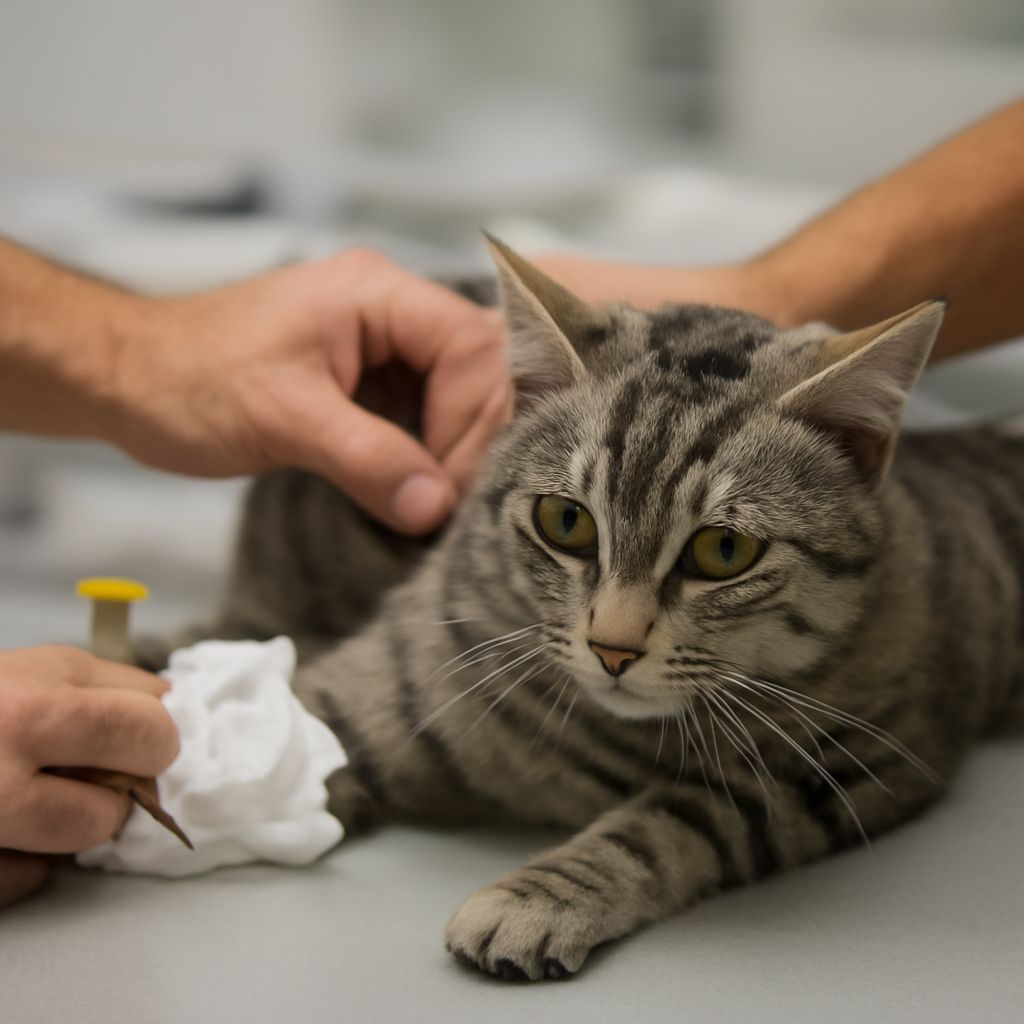
Imagine you’re planning an adventurous road trip with your feline friend. You’re excited, but also a bit anxious about ensuring your cat remains healthy and stress-free on the journey. You’ve heard about a fructosamine test for cats, which could help monitor your cat’s health. You wonder if this, along with other assessments like cat fecal tests, can provide peace of mind. Moreover, using an electric collar for cats could offer safety during travel.
With these tools in your arsenal, you feel more prepared for the trip. You plan to practice tests to familiarize your cat with the vet’s office, ensuring smooth check-ups before departure. Each step you take brings you closer to a worry-free journey.
What Is a Fructosamine Test for Cats?
A fructosamine test is a blood test used to monitor the average blood sugar levels in cats over a period of a few weeks. This test is especially valuable for diabetic cats, as it provides a clearer picture of their glucose management compared to a single blood glucose test. Instead of relying solely on daily readings, the fructosamine measurement gives a broader overview of your cat’s health.
By checking the fructosamine levels, veterinarians can adjust insulin doses more accurately, ensuring your cat remains in optimal health. Understanding the nuances of this test can be beneficial in managing your cat’s long-term health and wellbeing.
Interpreting Cat Blood Test Results Explained
Interpreting blood test results for cats involves looking at various parameters that affect feline health. Besides fructosamine, other tests might include complete blood count (CBC) and biochemistry panels. These results help identify issues such as infections, anemia, and organ dysfunction.
For pet owners, understanding these results empowers you to make informed decisions about your cat’s care. Discussing results with your vet ensures you grasp the significance of each parameter and how they collectively impact your cat’s health.
The Importance of Cat Fecal Tests in Travel
Cat fecal tests are crucial when planning to travel with your pet. These tests detect parasites and infections that could affect not only your feline but potentially spread to other animals you encounter on the road.
Ensuring your cat has a clean bill of health before setting out is essential. A fecal test typically involves analyzing a sample for worm eggs or other parasites. Regular testing helps prevent health issues, ensuring your cat remains happy and healthy while traveling.
Using an Electric Collar for Cats During Travel
An electric collar for cats can be a useful tool in ensuring your pet’s safety during travel. These collars, often used for training or containment, can help keep your cat close and prevent them from wandering off in unfamiliar surroundings.
When used appropriately, an electric collar offers peace of mind, providing you with a way to manage your cat’s movements. It’s important to choose a collar designed specifically for cats, ensuring it’s both safe and comfortable for your pet.
Preparing for a Cat Practice Test
Preparing your cat for a practice test can make actual vet visits less stressful for both of you. Familiarizing your pet with the vet’s office and the process of being handled and examined can alleviate anxiety.
Begin by taking your cat to the vet’s office for short visits without any tests, allowing them to get used to the environment. Gradually introduce handling routines similar to those in a check-up, such as gentle restraint and ear checks, so your cat becomes comfortable with these experiences.
By taking these preparatory steps, you help ensure that vet visits are smoother and less stressful, contributing positively to your cat’s overall health and travel readiness.
Key takeaways: By utilizing tools such as the fructosamine test, cat fecal tests, and electric collars, you can better manage your cat’s health and ensure safe travel. Preparing with practice tests can reduce stress, making vet visits smoother and enhancing your pet’s overall wellbeing while traveling.