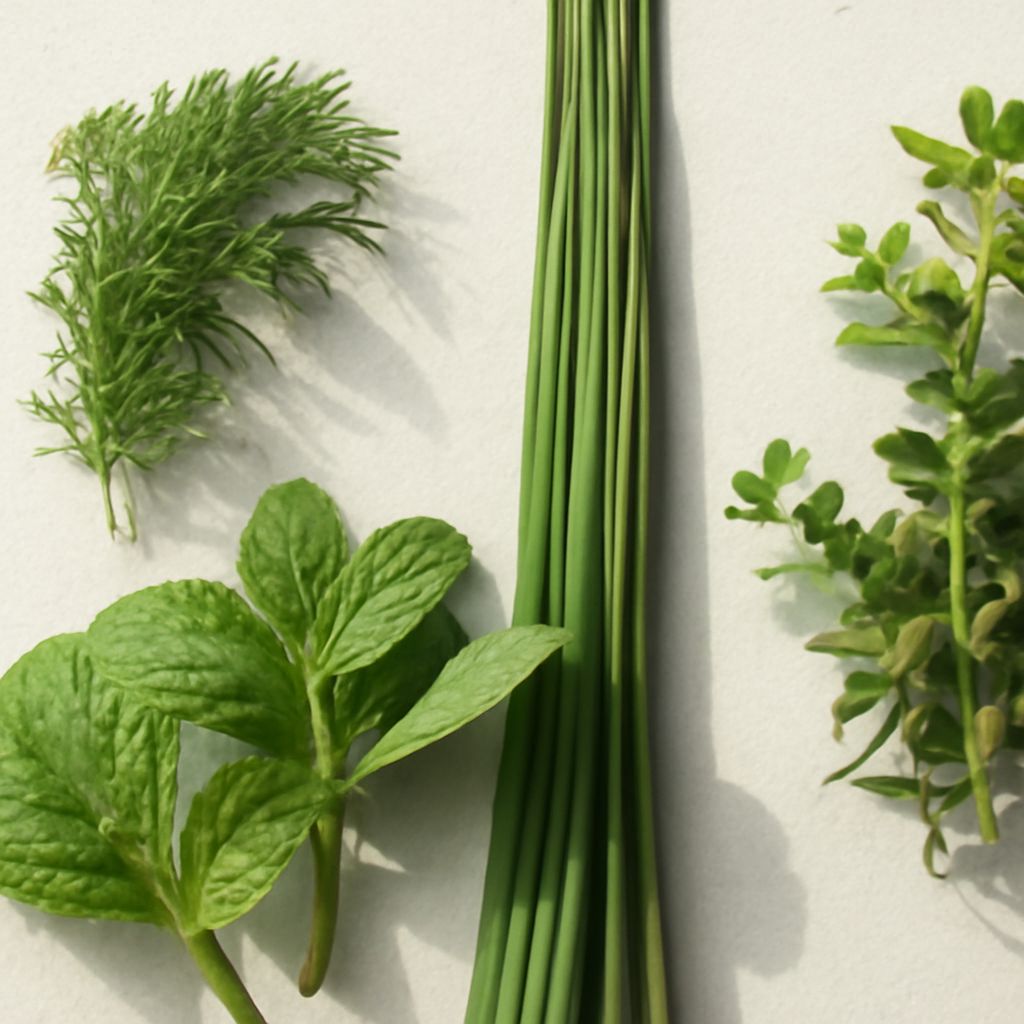
Imagine you’re preparing a fresh salad and decide to add a sprinkle of basil for flavor. Your cat, curious as ever, circles your feet with that familiar look of interest. As you drop a basil leaf, you pause, wondering if basil is harmful to your feline friend. Is basil toxic to cats, or can cats eat basil safely? You might have heard varying opinions on whether basil is poisonous to cats, leaving you unsure and wanting to ensure your pet’s safety.
Can Cats Eat Basil Safely?
Basil is a common herb found in many kitchens, and you might be relieved to know that cats can enjoy basil without significant issues. While basil is not harmful to cats, it’s not necessarily a beneficial addition to their diet either. Cats are obligate carnivores, meaning their nutritional needs are primarily met through meat. However, if your cat nibbles on a basil leaf occasionally, it shouldn’t pose any risk to their health. The aromatic nature of basil might even pique their interest, but rest assured, this herb is generally safe for cats.
Is Basil Poisonous to Cats?
Contrary to some concerns, basil is not poisonous to cats. When discussing whether basil is poisonous, it’s crucial to differentiate between toxicity and simple indigestion. Basil does not contain any compounds that are inherently toxic to cats; however, moderation is key. If your cat consumes large amounts, it could lead to mild stomach upset, just as any abrupt dietary change might. Therefore, while basil is not poisonous to cats, it’s wise to keep their consumption minimal to avoid any potential digestive issues.
Understanding Basil’s Nutritional Impact on Cats
Basil contains a variety of nutrients, including antioxidants and vitamins beneficial for humans, but these don’t necessarily translate to essential nutrients for cats. Cats do not require plant-based foods in their diet to thrive and obtain all necessary vitamins and minerals from their regular cat food. Though basil may offer a small amount of antioxidants, its nutritional impact on cats is negligible. Furthermore, cats lack the digestive enzymes to fully benefit from plant matter, making basil more of a curiosity than a nutritional asset.
Is Basil Bad for Cats in Any Way?
In general, basil is not bad for cats, but it’s important to consider how much basil your cat is consuming. Excessive ingestion of any non-meat food can lead to gastrointestinal distress, such as vomiting or diarrhea. While the herb itself is not toxic, the discomfort caused by overconsumption can lead to unnecessary vet visits. If your cat seems particularly interested in basil, monitor their intake to avoid any adverse effects. Additionally, keep an eye on any seasoning or dressing that might accompany basil, as some ingredients could be harmful to cats.
Alternatives to Basil for Cats’ Diet
Instead of basil, consider offering your cat other safe herbs or plants that might have more benefits. Catnip is a popular choice that many cats love, and it can provide a harmless source of enjoyment and stimulation. Another safe option is cat grass, which can aid in digestion and provide roughage that might be lacking in a typical diet. Always ensure these alternatives are free of pesticides and chemicals, and consult with your veterinarian if introducing new items into your cat’s diet.
Pro tips recap: Basil is safe for cats in small quantities, but it’s not nutritionally beneficial. Avoid letting your cat consume large amounts to prevent stomach upset. Consider catnip or cat grass as better alternatives for dietary variety or enrichment. Always stay informed about what herbs and plants are safe for feline consumption to ensure your pet’s health and happiness.