
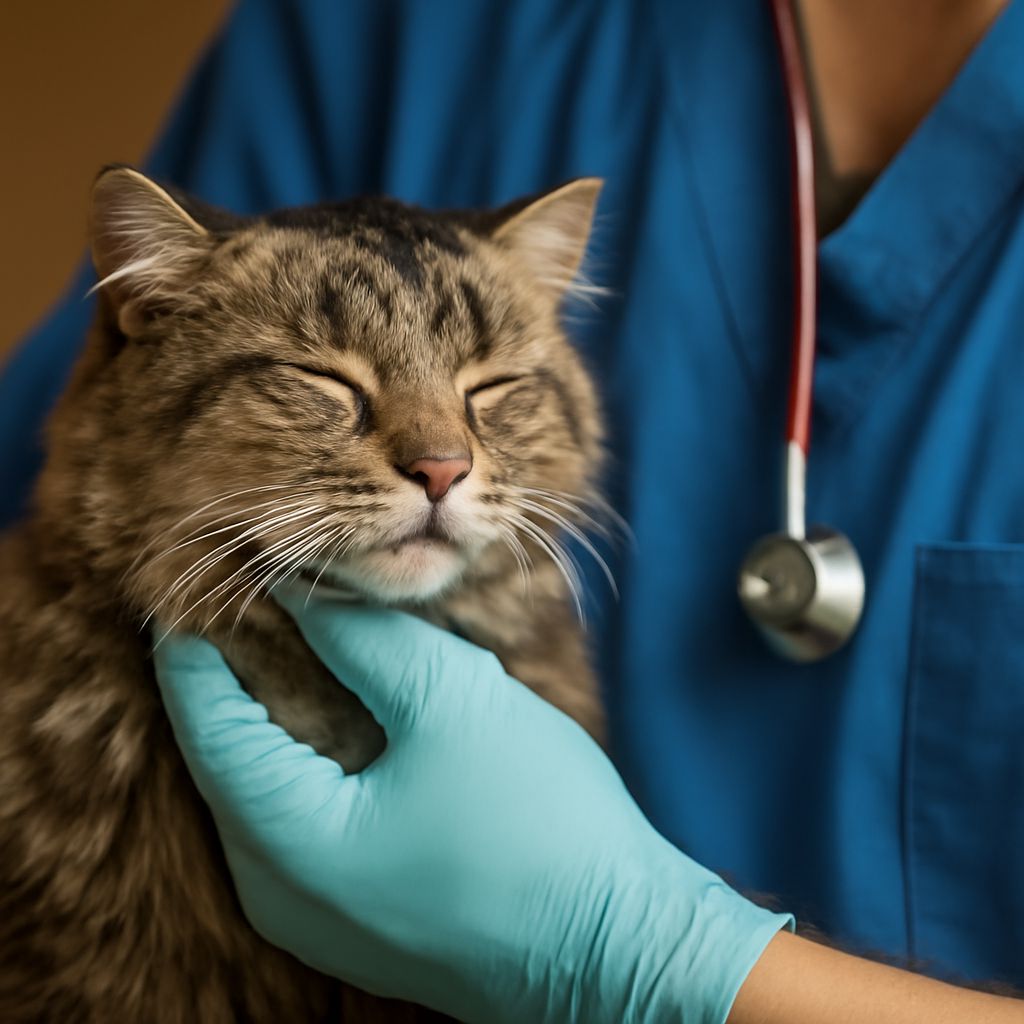
Imagine coming home one day to find your usually playful cat suddenly withdrawn, with what appears to be a bloody nose. You instantly feel a wave of concern. As you gently clean the area, your mind races through questions about what could be causing cat bleeding from the nose. Is it a simple nosebleed, or could it be something more serious? Understanding the potential causes and symptoms, such as cat nose bleed and sneezing, can help you make informed decisions about your pet’s health.
As a responsible pet owner, knowing when a cat has a bloody nose is crucial to providing the necessary care and seeking veterinary assistance when required. By learning more about the possible causes and treatments, you can ensure that your feline friend receives the best possible care.
Understanding Cat Bloody Nose
A bloody nose in cats, also known as epistaxis, can be distressing to witness. While occasional nosebleeds might not be a major issue, frequent or severe bleeding can indicate underlying health concerns. Cats can experience bleeding from the nose for various reasons, ranging from minor injuries to more serious conditions. Being knowledgeable about what constitutes a cat bloody nose is the first step in addressing the problem effectively.
Common Causes of Cat Bleeding from Nose
The reasons behind a cat bleeding from the nose can be numerous. Trauma, whether from a fall or a playful skirmish, is a common cause of nosebleeds. However, other factors like foreign objects lodged in the nasal passage, infections, or even tumors can lead to similar symptoms. In some cases, conditions like high blood pressure or clotting disorders may also be at play. Understanding these causes is crucial for determining the correct course of action.
Symptoms to Watch For
Cat Nose Bleed and Sneezing
If your cat is sneezing frequently alongside a bloody nose, it may indicate an upper respiratory infection or an allergy. Sneezing coupled with blood can escalate from a minor irritation to a more severe problem if left unchecked. Monitor other symptoms such as nasal discharge, changes in appetite, or lethargy to assess the situation accurately.
Other Signs of Cats Nose Bleeding
Besides sneezing, you might notice other signs like excessive licking of the nose, pawing at the face, or visible swelling around the nose. These symptoms can suggest the presence of irritants or foreign bodies, and in some cases, they may hint at more serious health issues like infections or chronic conditions. Keeping an eye on these signs will help you decide when veterinary advice is necessary.
When to See a Veterinarian
It’s vital to determine when to seek professional veterinary help. If your cat’s nosebleed is persistent or accompanied by other unsettling symptoms such as significant bleeding, difficulty breathing, or behavior changes, a visit to the veterinarian is warranted. Quick action can prevent complications and allow for timely treatment.
Treatment Options for Cat Has Bloody Nose
Treatment for a cat with a bloody nose varies depending on the cause. For minor injuries or mild cases, at-home care such as gently cleaning the nose with a damp cloth and ensuring rest may suffice. However, in more severe cases, a veterinarian may prescribe antibiotics for infections or perform diagnostic tests to rule out underlying conditions. In situations where foreign objects are involved, professional removal is essential to prevent further damage.
Preventing Future Nose Bleeds in Cats
Preventing nosebleeds involves regular monitoring and maintaining a safe environment for your cat. Ensure that their play areas are free from sharp or small objects that could cause injury or become lodged in the nose. Regular veterinary check-ups can help catch potential health issues early, reducing the likelihood of recurring nosebleeds. Providing a well-balanced diet and preventing exposure to irritants such as smoke or strong chemicals also contributes to maintaining your cat’s nasal health.
Key takeaways: Recognizing the signs and causes of a cat’s bloody nose is crucial for timely intervention. Promptly assessing the situation and seeking veterinary care when necessary can prevent further complications. Maintaining a safe environment and regular health checks are essential in preventing future episodes.