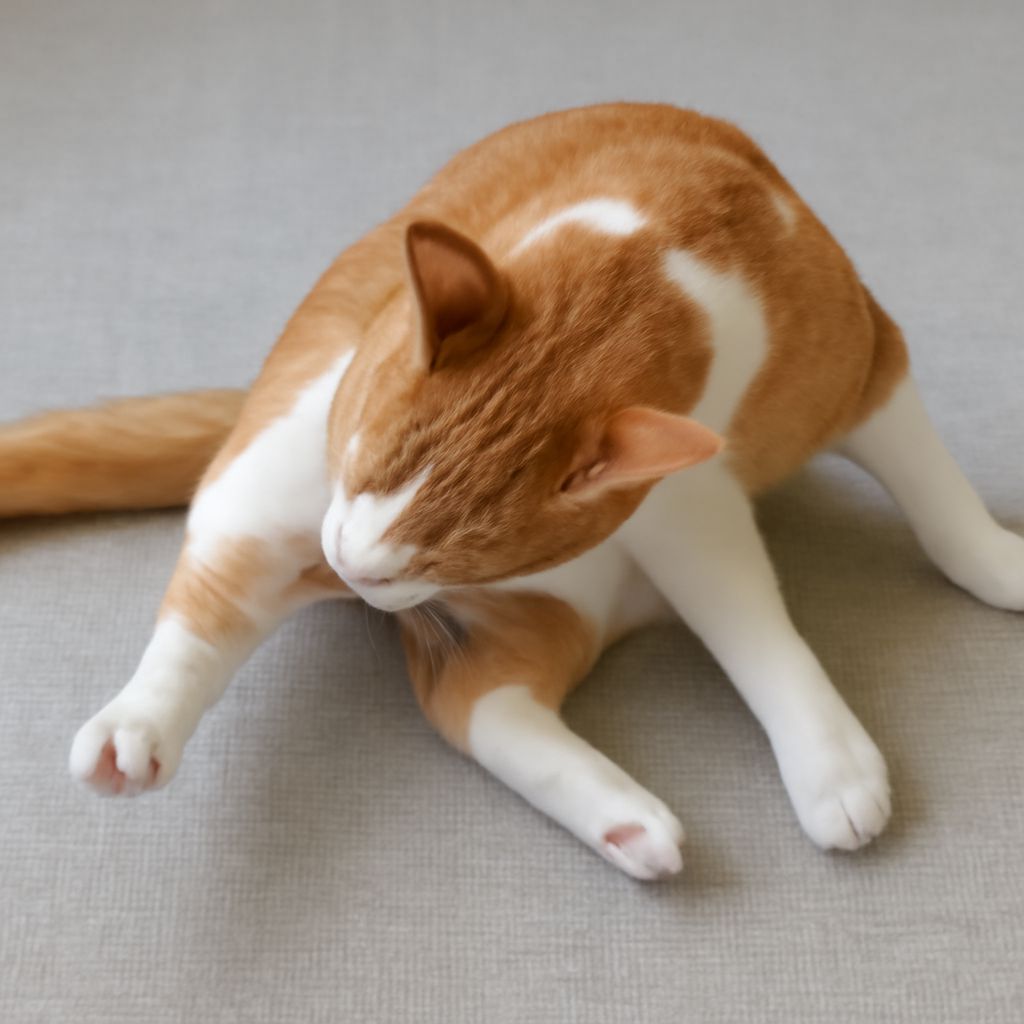
Imagine lounging on your couch, your cat curled beside you, purring softly. Suddenly, you notice she starts to groom herself, and you catch her licking lips more frequently than usual. Is she just content, or is there something more to this behavior? Understanding why a cat keeps licking lips can reveal much about her instincts and well-being. As you watch, you wonder: could this be a sign of discomfort, or perhaps an unspoken feline ritual?
Introduction to Cat Licking Behaviors
Cats are fascinating creatures with a variety of behaviors that capture our curiosity. Licking is one of these common actions, and it is an integral part of their grooming routine. However, when a cat is licking her lips or even licking the air, it could mean more than just cleanliness. This behavior is rooted in instinctual habits that may indicate comfort, excitement, or something that requires your attention.
Common Reasons for Cat Licking Lips
One of the most typical reasons a cat licks her lips is grooming. This self-cleaning behavior is essential for her hygiene and helps maintain the health of her fur and skin. Cats are meticulous groomers, often spending hours ensuring their coats are spotless. However, licking can also be a response to environmental factors. For instance, if your cat encounters something unusual or smells something unfamiliar, she might lick her lips as a reaction.
Another reason for a cat licking her lips might be related to feeding. After a satisfying meal, it’s not uncommon for a cat to clean her lips, removing any leftover food particles. This behavior can also be a sign of anticipation if she knows food is coming. In either case, a cat licking her lips is often simply part of her everyday routine, reflecting her innate behaviors.
When Your Cat Keeps Licking Lips: What It Could Mean
If you notice your cat persistently licking her lips, it may be worth investigating further. Continuous or excessive licking could signal a health issue. Cats often lick their lips when they feel nauseous, or if they have dental issues such as gum disease or tooth decay. These health problems can cause discomfort, prompting your cat to lick her lips in an attempt to relieve the sensation.
Stress is another factor that might lead your cat to lick her lips more frequently. Changes in her environment, such as a new pet or a move to a different home, can cause anxiety. This stress-induced behavior is a way for your cat to self-soothe. If you suspect stress is the cause, consider ways to make her environment more comfortable and predictable.
Understanding Cat Licking Paws
In addition to licking lips, cats frequently lick their paws. This behavior is closely tied to grooming, as cats often use their paws to clean areas that are hard to reach. Licking paws can also help them feel relaxed and content. However, if your cat is obsessively licking her paws, it might indicate an underlying issue such as skin irritation or allergies.
Observe any additional signs like redness or swelling that could accompany excessive paw licking. If these symptoms are present, a visit to the vet might be necessary to rule out conditions such as dermatitis or infections.
Cat Licking Lips a Lot: When to Consult a Vet
While occasional lip licking is normal, if your cat is licking her lips a lot, it might be advisable to consult with your veterinarian. Persistent licking could be a symptom of oral health issues, gastrointestinal problems, or even neurological conditions. A vet can provide a thorough examination and recommend appropriate treatment to alleviate your cat’s discomfort.
Early detection is crucial. The sooner you identify a potential issue, the better the chance of resolving it effectively. Regular check-ups can help catch any problems before they become serious, ensuring your cat remains happy and healthy.
Why Does a Cat Lick Air?
Witnessing a cat lick the air can be puzzling. This behavior, while less common, is generally not a cause for concern. Sometimes, cats lick the air as part of their natural grooming ritual, especially if they detect a scent in the air they are trying to understand. It could also occur if they are experiencing mild irritation in their mouth or throat, prompting them to respond by air licking.
Nonetheless, if your cat frequently licks the air and exhibits other unusual behaviors, it’s worth monitoring her closely and consulting a vet for advice.
Next steps: To ensure your cat’s well-being, pay close attention to her behaviors. Regular grooming, a balanced diet, and routine veterinary check-ups are essential practices. If you notice persistent licking or other concerning actions, contact your vet to address these issues promptly. Providing a stable and enriched environment will help keep your feline friend both happy and healthy.