
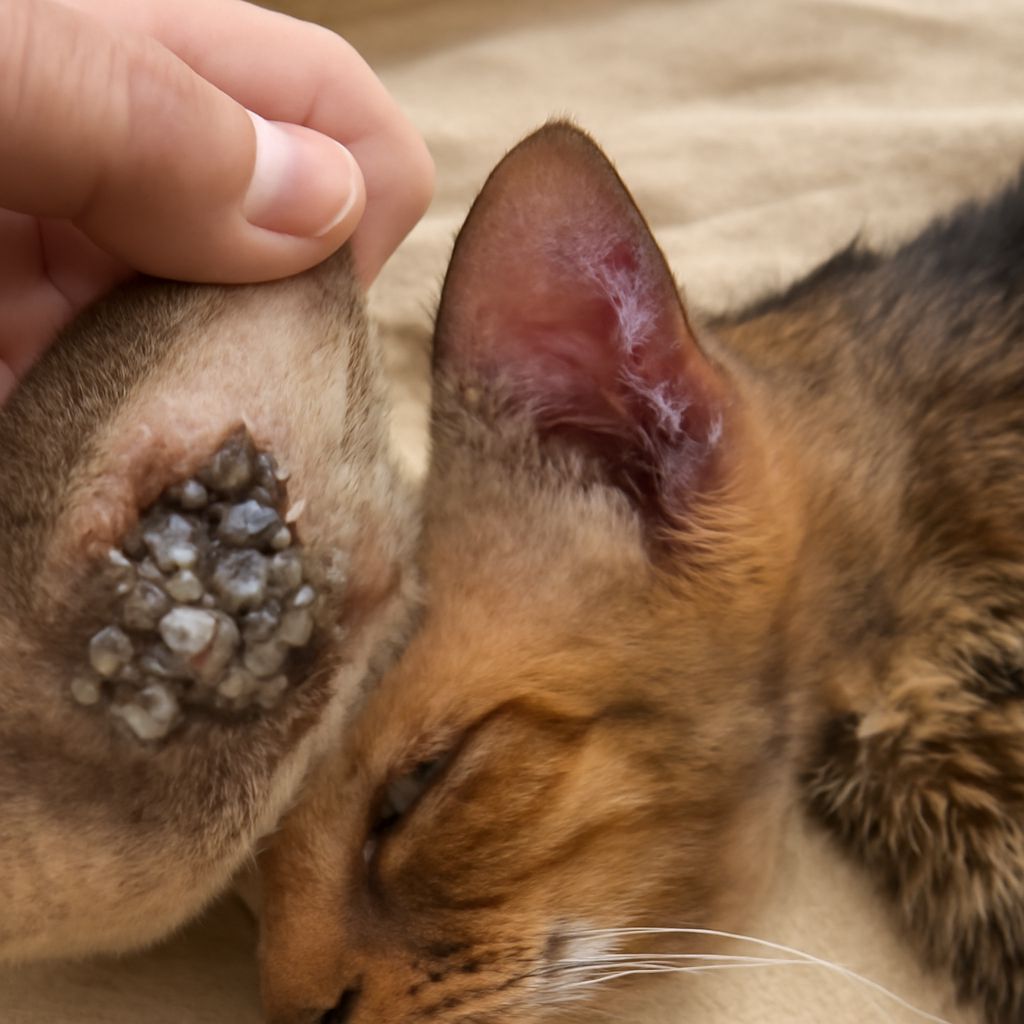
Imagine you’re sitting quietly, sipping your morning coffee, and watching your cat lounging by the window. Her ears twitch ever so slightly, catching a distant sound that is imperceptible to you. You begin to wonder about the intricacies of cat ear anatomy and how these delicate structures serve as her primary tool for communication, balance, and navigation. As you ponder this, the importance of maintaining healthy cat ears becomes evident, especially given the silent threat of cat ear infections lurking beneath their adorable exterior.
In this article, we dive into the fascinating world of cat ears, exploring their complex anatomy, the nuances of the cat ear canal, common ailments like infections and the treatments available, and practical tips for ensuring your feline friend’s ears remain healthy.
The Anatomy of Cats Ears
Cat ears are uniquely adapted to provide superior hearing and balance. The outer part, or pinna, is the visible flap that captures and directs sound waves into the ear canal. This structure is not just for aesthetics; it plays a crucial role in amplifying sounds, allowing cats to detect even the faintest rustle of leaves or the quietest whisper.
Beyond the pinna lies the middle ear, containing the eardrum that vibrates in response to sound waves. These vibrations are then transmitted to tiny bones—ossicles—that further amplify the sound before it reaches the inner ear. The inner ear is responsible for converting these sound waves into neural signals that the brain processes, allowing your cat to interpret a wide range of auditory information. This area also contains the vestibular system, essential for your cat’s sense of balance and orientation.
Understanding the Cat Ear Canal
The cat ear canal is a winding pathway that enhances the complexity of feline hearing. Unlike humans, cats have a downward-sloping ear canal that allows debris and wax to move naturally away from the eardrum. This design minimizes the risk of blockages and infections, though it can make cleaning a bit of a challenge for cat owners.
This canal serves to protect the delicate structures of the middle and inner ear from foreign bodies and pathogens. However, its structure means any obstruction can be particularly uncomfortable for your pet, making awareness and regular checks crucial.
Common Cat Ear Problems and Solutions
Despite their intricate design, cat ears can encounter several health issues. Common problems include mite infestations, bacterial or yeast infections, and wax buildup. These conditions can cause discomfort, irritation, and even hearing loss if left untreated.
Symptoms of ear issues often include persistent scratching, head shaking, and an unusual smell emanating from the ears. If you notice these signs, it’s vital to consult a veterinarian promptly to prevent complications. Treatment often involves medicated drops or cleaning solutions tailored to the specific condition. Removing wax buildup with a gentle ear cleaner can also alleviate mild discomfort and prevent infections.
Cat Ear Infection Medicine and Treatments
Treating cat ear infections requires a careful approach to ensure the safety and comfort of your pet. Medicines such as antifungal or antibacterial ear drops are common, prescribed based on the type of infection. It’s essential to follow your vet’s instructions to avoid complications or resistance.
For severe infections, oral medications may be necessary to fully eradicate the underlying causes. Home remedies should be approached cautiously and never replace professional veterinary advice, as improper treatments can exacerbate the problem.
Regular cleaning using veterinarian-approved solutions can prevent infections. Always be cautious and gentle when administering any medicine to avoid damaging the sensitive structures of the ear.
Tips for Maintaining Healthy Cat Ears
Maintaining the health of your cat’s ears involves regular monitoring and cleaning. Inspecting your cat’s ears monthly for any signs of redness, swelling, or unusual discharge can catch potential issues early. Proper diet and hydration also contribute to overall ear health, supporting your cat’s immune system in fighting infections.
When cleaning, use a soft cloth or cotton ball with a gentle cleanser. Avoid inserting any objects deep into the ear canal, as this can cause injury or push debris further inside. If you’re unsure how to proceed, seek guidance from your veterinarian to ensure you’re following safe practices.
By understanding the complexity of cat ear anatomy and the common issues that can arise, you can take proactive steps to ensure your feline friend’s ears remain healthy. Whether it’s preventing ear infections or simply appreciating the marvel of cat ear structure, your efforts contribute to your pet’s overall well-being and happiness.