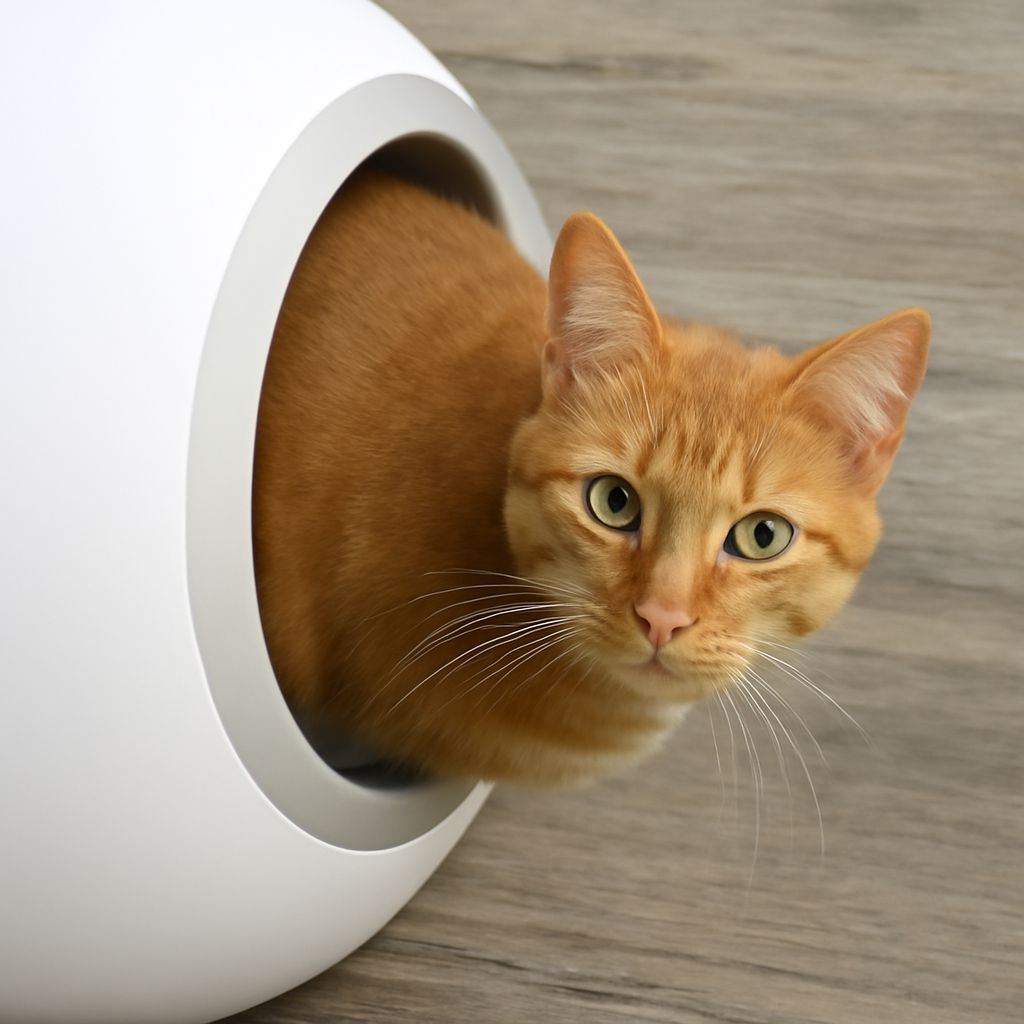
Imagine you come home after a long day, ready to unwind with your feline friend, only to find them restless and frequently visiting the litter box. You notice your beloved cat straining without producing much urine, and you begin to worry about their urinary health. Could this be a sign of FLUTD in cats? Understanding the location of the cat bladder and recognizing potential symptoms of urinary blockage in male cats can be crucial. You may wonder if there are home remedies available or if it’s time to consult your veterinarian.
Introduction to FLUTD in Cats
Feline Lower Urinary Tract Disease (FLUTD) encompasses a range of conditions that affect a cat’s bladder and urethra. FLUTD is common and can cause significant discomfort for your pet. Recognizing the signs early can help manage the disease and improve your cat’s quality of life. Cats affected by FLUTD may show symptoms such as frequent urination, straining, or even blood in their urine. Understanding these symptoms and their implications is vital in ensuring your feline’s urinary health.
Understanding the Cat Bladder
The cat bladder is a crucial organ in the urinary system, responsible for storing urine before it is expelled from the body. It is located in the lower abdomen and connects to the urethra, the tube through which urine exits the body. Proper function of the bladder and urethra is essential for maintaining urinary health in cats. When there are issues like obstructions or inflammation, the bladder’s ability to store and release urine effectively is compromised.
Common Symptoms of FLUTD Cat
Cats suffering from FLUTD may exhibit a variety of symptoms. Frequent trips to the litter box, straining to urinate, or producing only small amounts of urine are typical signs. You might also notice your cat licking their genital area excessively, a behavior indicating discomfort. In severe cases, there may be blood in the urine, or your cat could stop urinating altogether, both of which require immediate veterinary attention. Painful urination and changes in behavior, such as increased irritability or hiding, can also signal a problem. Monitoring these symptoms closely can aid in early detection and treatment.
Causes of Urinary Blockage in Male Cats
Urinary blockage is a serious condition, especially in male cats, due to their narrower urethras. Blockages can be caused by urinary stones, crystals, or a buildup of inflammatory material. Diet, stress, and dehydration are contributing factors to the development of these obstructions. Male cats are particularly susceptible to blockage due to the long and narrow path their urethra takes, making it easier for obstructions to occur. Understanding the causes can help in prevention and management strategies.
Home Remedies for FLUTD and Cat Bladder Issues
While professional veterinary care is crucial, certain home remedies can support your cat’s urinary health. Increasing water intake is one of the simplest yet most effective ways to help, as it dilutes urine and helps flush out blockages. Wet food can be a part of this strategy, offering more moisture compared to dry kibble. Reducing stress through environmental enrichment, such as interactive toys or cozy resting spots, can help prevent FLUTD flare-ups. Some owners find success with specific dietary supplements aimed at urinary health, though these should be discussed with a vet to ensure they are appropriate for your pet’s needs.
When to Seek Veterinary Assistance
If your cat exhibits severe symptoms like inability to urinate, blood in urine, or significant pain, it’s imperative to seek veterinary assistance immediately. These can be signs of complete urinary blockage, which is life-threatening if not treated promptly. Regular check-ups and consultations with your vet can help prevent these emergencies through early detection and tailored health plans. Don’t hesitate to contact a professional if you’re unsure about the severity of your cat’s symptoms; it’s always better to err on the side of caution.
Safety Recap: While home remedies can support urinary health, they are not substitutes for professional veterinary care, especially in cases of urinary blockage. Always consult with a veterinarian to ensure the best care for your cat’s specific needs.