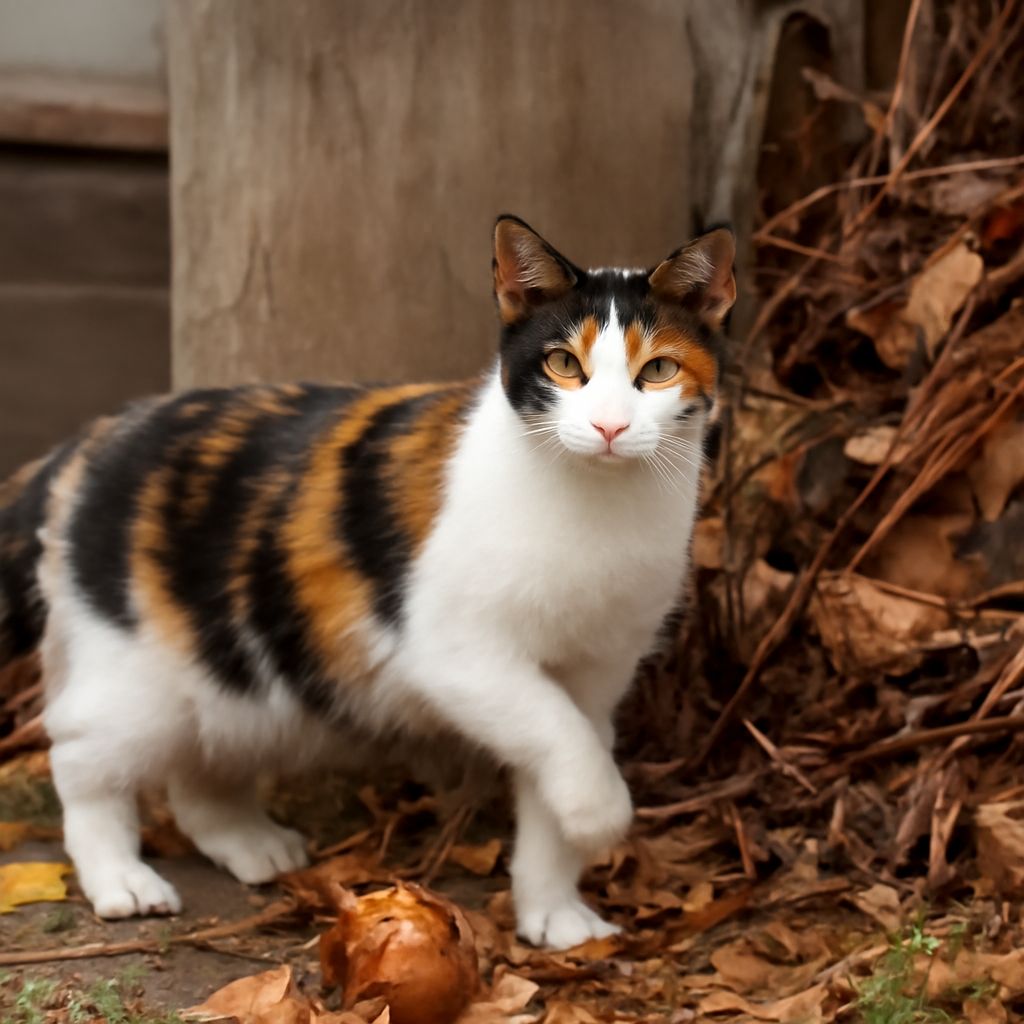
Imagine you’re strolling through a local animal shelter, and a striking feline catches your eye. This cat boasts a mesmerizing blend of orange, black, and white fur, creating a tapestry of color that seems almost too beautiful to be real. As you read the information card, you learn that this captivating creature is a calico cat, a term you may have heard before but never fully understood. You wonder why these cats are so eye-catching and whether there’s more to learn about their unique nature, especially since you’ve heard that calico cats are predominantly female.
Understanding Calico Cats
Calico cats are not a breed but rather a color pattern that can occur in various feline breeds. The term “calico” refers to the patchwork of three distinct colors: white, black, and orange. Some calicos may show diluted colors like grey, cream, and gold, offering a softer but equally beautiful alternative. The appearance of these colors is due to a unique genetic phenomenon that results in their stunning tricolor patterns.
Though calico cats are found in many breeds, their vibrant patterns are always a sight to behold. The arrangement of the colors can vary significantly from one cat to another, with some displaying larger patches and others featuring intricate, small spots. This diversity makes calico cats highly sought-after by feline enthusiasts everywhere.
Why Are Most Calico Cats Female?
The mystery of calico cats being predominantly female is rooted in genetics. The gene responsible for the calico pattern resides on the X chromosome, and since females have two X chromosomes, the probability of them expressing multiple colors is higher. In contrast, males have only one X chromosome, making the occurrence of a calico male rare, usually due to a genetic anomaly like Klinefelter syndrome.
Because of this genetic configuration, approximately 99.9% of calico cats are female. Male calicos are often sterile due to their genetic makeup, adding to the rarity and intrigue surrounding these exceptional cats.
Popular Calico Cat Breeds
While any breed of cat can potentially display the calico pattern, there are a few breeds where this colorful characteristic is more commonly found:
American Shorthair
The American Shorthair is a popular breed known for its friendly and adaptable nature. These cats often exhibit the calico pattern, adding to their charm and appeal. With a sturdy build and a playful demeanor, American Shorthairs make fantastic companions.
Persian
Persian cats with a calico coat are a sight to behold. Their long, luxurious fur serves as a canvas for the vivid calico color palette, making them standout members of the calico community. Known for their calm and gentle personalities, Persian calicos thrive in a serene and loving environment.
Japanese Bobtail
The Japanese Bobtail is a breed renowned for its unique tail and lively personality. Calico patterns are especially favored in this breed, symbolizing good fortune in Japanese culture. The playful and affectionate nature of the Japanese Bobtail makes it a delightful addition to any home.
The Unique Tricolor Pattern
The tricolor pattern of calico cats is not just visually appealing but also a fascinating study in feline genetics. The random distribution of colors is influenced by a process called X-inactivation, where one of the two X chromosomes in each cell is randomly “turned off,” leading to the expression of the varied colors. This process ensures that no two calico cats are exactly the same, each exhibiting its own unique pattern.
While the calico pattern is most commonly associated with the classic black, orange, and white colors, variations exist. Some calicos show “dilute” patterns, where the colors appear softer, featuring grey, cream, and gold hues. These variations add to the mystique and allure of calico cats.
Caring for Your Calico Cat
Owning a calico cat is a rewarding experience, and caring for one involves understanding their specific needs. Regular grooming is essential, especially for long-haired breeds like the Persian. Brushing helps maintain the health and beauty of their coat while reducing shedding and preventing matting.
Calicos are no different from other cats when it comes to diet and exercise. Providing a balanced diet rich in essential nutrients and ensuring regular playtime to burn off energy are fundamental for their well-being. Social interaction is also crucial, as calicos can be quite sociable and enjoy companionship.
Regular veterinary check-ups are vital to ensure your calico cat remains healthy. Routine vaccinations, dental care, and monitoring for any signs of illness or unusual behavior are all part of responsible pet ownership.
Next Steps: Embrace the uniqueness of your calico cat by taking time to learn more about their individual needs and preferences. Engage with local feline communities to exchange tips and stories about these fascinating felines. Your calico cat will thrive under your attentive care, rewarding you with companionship and colorful charm.