
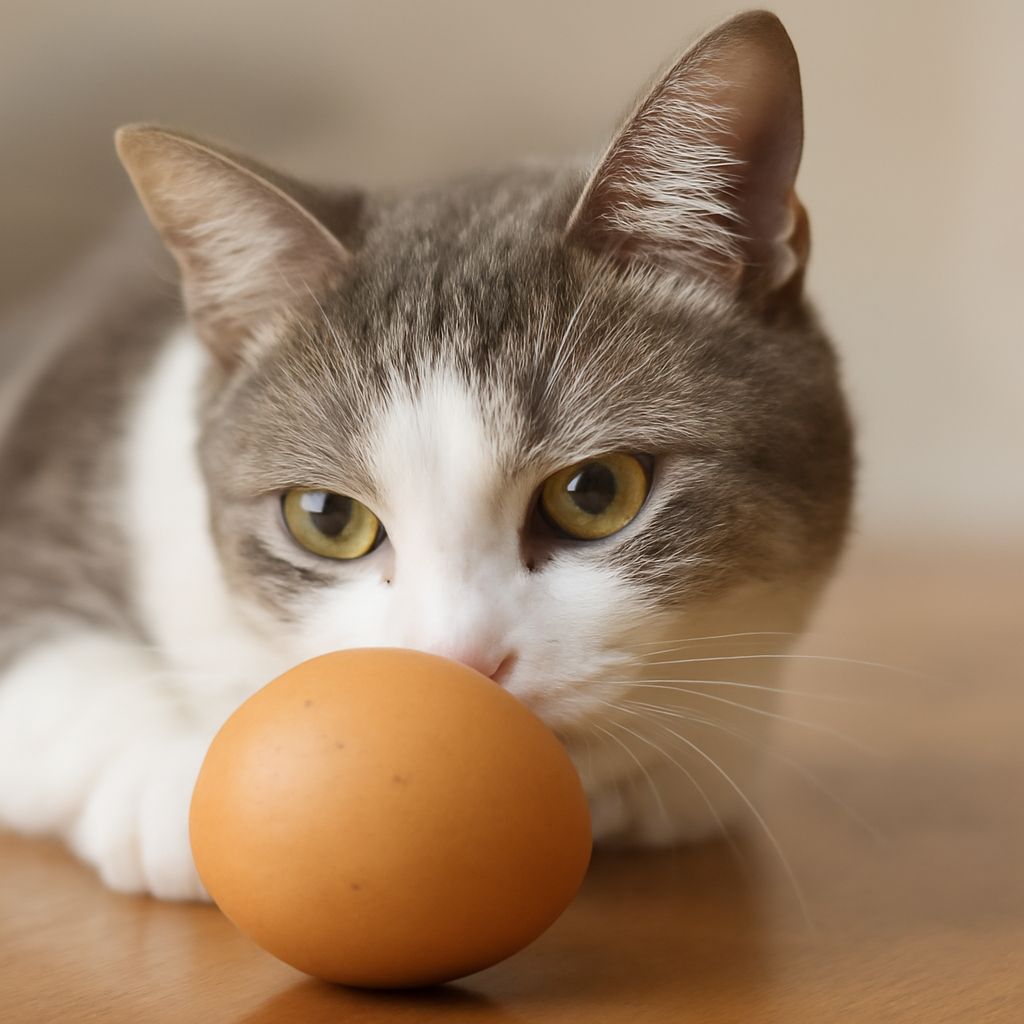
Imagine preparing breakfast, and just as you crack an egg into the pan, your curious cat saunters into the kitchen, eyes wide with interest. You may wonder, “Are eggs bad for cats?” While eggs might be a nutritious treat for you, it’s important to consider your feline friend’s health. The relationship between cats and eggs is nuanced, and knowing the potential risks and benefits can help you make informed decisions. Keep reading to explore if eggs are truly safe for cats, including any concerns about raw eggs.
Introduction to Cats and Eggs
Cats are natural carnivores, and many pet owners strive to offer their furry companions a diet similar to what they’d hunt in the wild. While commercial cat foods are formulated to provide balanced nutrition, some owners like to supplement their pets’ meals with human foods. Eggs, a common breakfast staple, often come into question. Can cats eat eggs, and if so, how should they be prepared? Understanding how eggs fit into a cat’s diet is crucial for their overall health and well-being.
Are Eggs Bad for Cats?
The short answer is no, eggs are not inherently bad for cats. In fact, eggs can be a nourishing addition to a feline’s diet when prepared correctly. However, moderation is key. While eggs are not toxic to cats, feeding them in large quantities can lead to dietary imbalances or health issues. Therefore, it is essential to understand both the benefits and potential complications associated with feeding eggs to your cat.
Nutritional Benefits of Eggs for Cats
Eggs are a rich source of protein, which is vital for a cat’s growth and maintenance of muscle mass. The amino acids found in eggs are essential for cats, as they cannot produce these nutrients on their own. Additionally, eggs contain vitamins and minerals such as vitamin A, B vitamins, and selenium, all of which support a cat’s overall health. Offering eggs as a treat can complement a balanced diet, contributing to your cat’s nutritional diversity.
Potential Risks of Feeding Eggs to Cats
Despite their nutritional benefits, eggs can pose certain risks. Cats with allergies may react negatively to egg proteins, leading to symptoms such as itching or gastrointestinal upset. Overfeeding eggs can also lead to obesity, given their caloric density. Moreover, an excess of specific nutrients, like biotin, could interfere with other essential vitamins and minerals in a cat’s diet. As with any human food, it’s crucial to monitor your cat’s reaction and adjust their diet accordingly.
Raw Eggs for Cats: Safety Concerns
Raw eggs raise particular safety concerns for both humans and pets. They may contain harmful bacteria such as Salmonella, which could lead to severe illness in cats. Additionally, raw egg whites contain avidin, a protein that can interfere with biotin absorption, potentially leading to a deficiency over time. To avoid these risks, it’s always best to cook eggs thoroughly before offering them to your cat, ensuring they are free from harmful pathogens.
How to Safely Introduce Eggs to Your Cat’s Diet
If you decide to introduce eggs into your cat’s diet, do so gradually. Start with small portions of well-cooked eggs to see how your cat reacts. Scrambled or boiled eggs without any added seasoning are ideal, as they maintain their nutritional value without unnecessary additives. Always ensure that eggs are fully cooked to kill any bacteria and denature avidin. Monitoring your cat for any adverse reactions is essential, and consulting with your veterinarian can provide additional guidance tailored to your cat’s specific needs.
Next Steps: When incorporating eggs into your cat’s meals, balance is crucial. Use eggs as an occasional treat rather than a dietary staple. By prioritizing your cat’s health and maintaining variety in their diet, you can safely enhance their nutrition. Regular consultations with your vet will ensure that your dietary choices align with your cat’s health needs, offering peace of mind and a happy, healthy feline friend.