
Imagine this: You are comfortably seated on your couch, unwinding at the end of a long day. Your beloved feline friend, a key source of joy and companionship, suddenly pounces on your feet. As you ponder, “Why does my cat attack my feet?” you can’t help but wonder about the complex behaviors of your pet. It gets you thinking about other aspects of cat care, such as whether cat allergies go away or the puzzling symptoms of a male cat in heat. Understanding these elements can not only lead to a healthier relationship with your pet but also ensure their well-being through effective cat allergy relief strategies.
Understanding Cat Allergy Relief
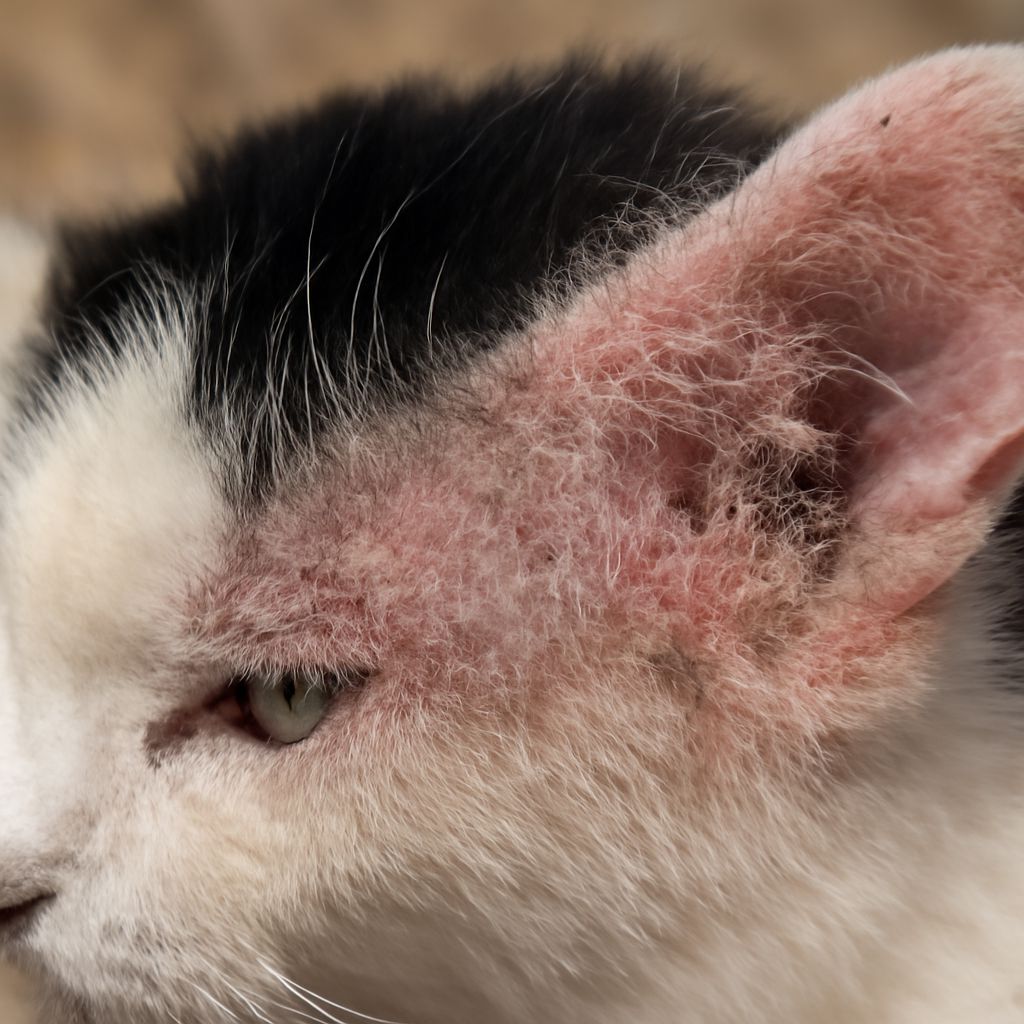
Cat allergy relief is a crucial aspect for many pet owners looking to maintain a harmonious living environment. Allergies in cats can manifest in various ways, affecting their skin, coat, and overall health. It’s essential to be attentive to these signs and symptoms and explore the options for easing them.
Providing relief from allergies may include regular grooming to reduce dander, using hypoallergenic cat shampoos, and ensuring a balanced diet to strengthen their immune system. Additionally, maintaining a clean living space by frequently vacuuming and using air purifiers can significantly reduce allergens around the home.
Why Does My Cat Attack My Feet?
The question, “Why does my cat attack my feet?” is familiar to many cat owners. This behavior can be both amusing and frustrating. Cats often see feet as moving targets, and it can be a form of playful hunting, mimicking their natural instincts. Young kittens or active breeds are more prone to this behavior as a way to burn off energy.
Understanding your cat’s behavior is key. Sometimes, foot attacks can indicate boredom or the need for more interactive playtime. Providing engaging toys and dedicating time for play can help redirect this energy into more acceptable activities.
Do Cat Allergies Go Away?
Many pet owners wonder, “Do cat allergies go away?” Unfortunately, allergies tend to persist unless addressed with proper management techniques. Some cats may experience changes in allergy symptoms over time, but it’s not common for them to vanish entirely.
However, by employing consistent allergy relief strategies such as dietary adjustments and environmental controls, you can effectively minimize symptoms. Consulting with a veterinarian for personalized advice can ensure your cat’s comfort and health in the long term.
Male Cat in Heat Symptoms
Although male cats do not go into heat in the same way as females, they exhibit certain behavioral changes that signal reproductive maturity. Recognizing male cat in heat symptoms can help pet owners manage and adapt to these changes.
These symptoms may include increased vocalization, restlessness, and attempts to escape the home to find mates. Neutering is often recommended to prevent unwanted behaviors and contribute to a more stable disposition.
Preventing Your Cat From Attacking Feet
Preventing your cat from attacking feet requires a proactive approach. Understanding the motivations behind this behavior can guide you toward effective solutions. Providing regular exercise and mental stimulation can alleviate boredom, reducing the likelihood of your cat targeting your feet.
- Invest in interactive toys and dedicate time for daily play sessions.
- Use distractions, such as a laser pointer or feather wand, to divert attention from your feet.
- Ensure your cat has scratching posts and climbing structures to expend energy.
By implementing these practices, you can foster a safer and more enjoyable environment for both you and your pet.
Safety Recap: If you used any specialized grooming tools or applied specific methods for allergy relief, remember to follow the manufacturer’s instructions closely and consult your vet if unsure. Ensuring your cat’s safety and comfort is paramount when integrating new products or techniques into their care routine.