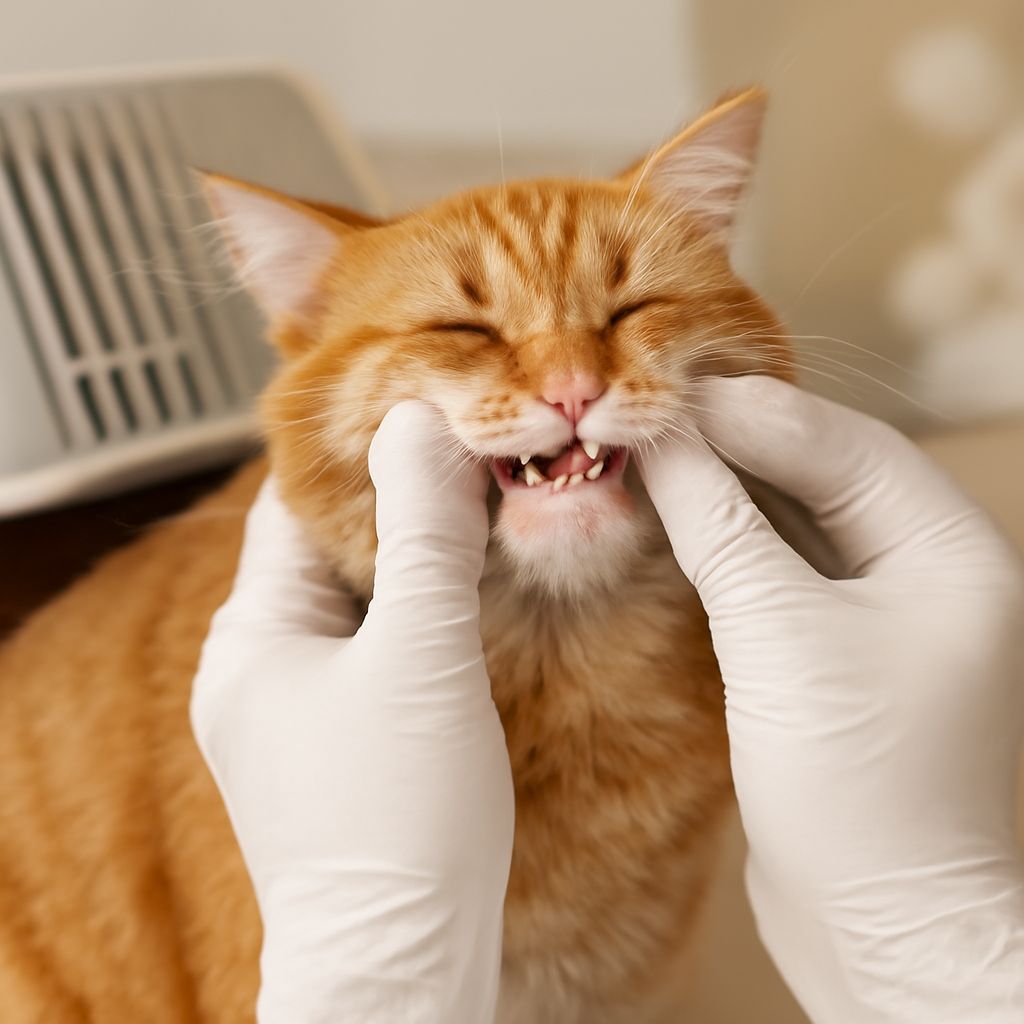
Imagine coming home from a long day at work, looking forward to some quality time with your feline friend. As you start your evening routine, you notice your cat, usually energetic and playful, seems a bit off. When you try to engage her, she turns away, and you catch a whiff of unusually strong breath. Concerned, you take a closer look and notice her gums appear red and inflamed. It dawns on you that she may be suffering from gingivitis in cats, a common dental issue that requires attention. Understanding the causes, symptoms, and treatment options is vital in ensuring your cat’s health and wellbeing.
What Is Cat Gingivitis?
Cat gingivitis is an inflammatory condition of the gums that affects many felines. It is the earliest stage of periodontal disease, characterized by red, swollen gums that can cause discomfort and pain for your pet. This condition is akin to gingivitis in humans but can progress more quickly in cats if not treated promptly. The inflammation is usually due to plaque buildup, which irritates the gums and, if left untreated, can lead to more severe dental issues, including tooth loss.
Causes of Gingivitis in Cats
Several factors contribute to gingivitis in cats. The primary cause is plaque accumulation, a sticky film of bacteria that forms on the teeth. Over time, plaque hardens into tartar, exacerbating the condition. Poor dental hygiene is a significant risk factor, but gingivitis can also stem from other underlying health conditions, such as feline calicivirus or feline immunodeficiency virus (FIV). Additionally, genetics may play a role, with certain breeds more predisposed to dental issues than others.
Symptoms of Gingivitis in Cats
The symptoms of gingivitis in cats can vary but often include red, swollen gums that bleed easily when touched. You might notice your cat exhibiting signs of oral discomfort, such as pawing at her mouth or refusing to eat hard food. Other indicators include bad breath, drooling, and difficulty eating or chewing. In severe cases, your cat might exhibit behavioral changes, becoming irritable or less playful due to the discomfort caused by the inflamed gums.
Cat Gingivitis Treatment Options
Treating gingivitis in cats effectively involves addressing both the immediate symptoms and the underlying causes. Regular dental cleanings by a veterinarian are crucial to remove plaque and tartar buildup. Your vet may also recommend a special diet or dental treats designed to promote oral health. At home, brushing your cat’s teeth regularly with cat-friendly toothpaste can help prevent plaque accumulation. In some cases, your veterinarian might prescribe antibiotics or anti-inflammatory medications to manage infection or pain.
Preventing Gingivitis in Cats
Preventing gingivitis in cats largely revolves around maintaining good oral hygiene. Regular tooth brushing is essential, and starting this practice when your cat is young can help them become accustomed to the routine. Providing dental treats and toys can also help reduce plaque buildup. Additionally, scheduling regular veterinary check-ups will ensure that any dental issues are caught early and managed promptly. A balanced diet, rich in nutrients, supports overall health and can contribute to healthier gums and teeth.
When to See a Veterinarian for Gingivitis Cats
It is crucial to seek veterinary care if you notice any signs of gingivitis in your cat. Early intervention can prevent the condition from progressing to more severe periodontal disease. If your cat shows persistent symptoms such as red, swollen gums, bad breath, or difficulty eating, consult your veterinarian for an evaluation. They can provide a comprehensive dental examination and develop a tailored treatment plan to address your cat’s specific needs.
Key takeaways: Cat gingivitis is a common dental issue that, if left untreated, can lead to more severe health problems. Early detection and proper treatment are essential in managing this condition. Regular dental care, a balanced diet, and routine veterinary visits are key strategies in preventing gingivitis in cats.