Imagine you’ve just brought home a new feline companion, a playful and curious bundle of fur. As you settle in together, you notice your cat’s natural urge to scratch surfaces around your home. This behavior, while instinctual, can sometimes lead to frustration, sparking thoughts about declawing. However, knowing that declawing poses significant health risks, you start exploring alternatives to declawing cats, prioritizing your pet’s comfort and wellbeing. With a variety of options available, from nail trimming to behavioral training, you can find a solution that’s both humane and effective.
Understanding the Risks of Declawing
Declawing, or onychectomy, is a surgical procedure that involves amputating the last bone of each toe. It’s far more serious than a simple nail trim, as it can lead to numerous complications. Post-surgery, cats may experience persistent pain, infection, or lameness. Additionally, the procedure alters their natural movement, leading to potential joint issues. Considering these risks, it’s crucial to explore alternatives to ensure your feline friend remains healthy and happy.
Why Consider Alternatives to Declawing Cats?
Opting for alternatives to declawing cats not only preserves your pet’s health but also respects their natural behaviors. Cats scratch to mark territory, exercise, and stretch their muscles. By choosing non-invasive methods, such as regular nail maintenance or training, you can protect both your home and your cat’s wellbeing. Promoting these methods also contributes to a broader understanding of responsible pet ownership and feline care.
Nail Trimming: A Simple Alternative to Declawing a Cat
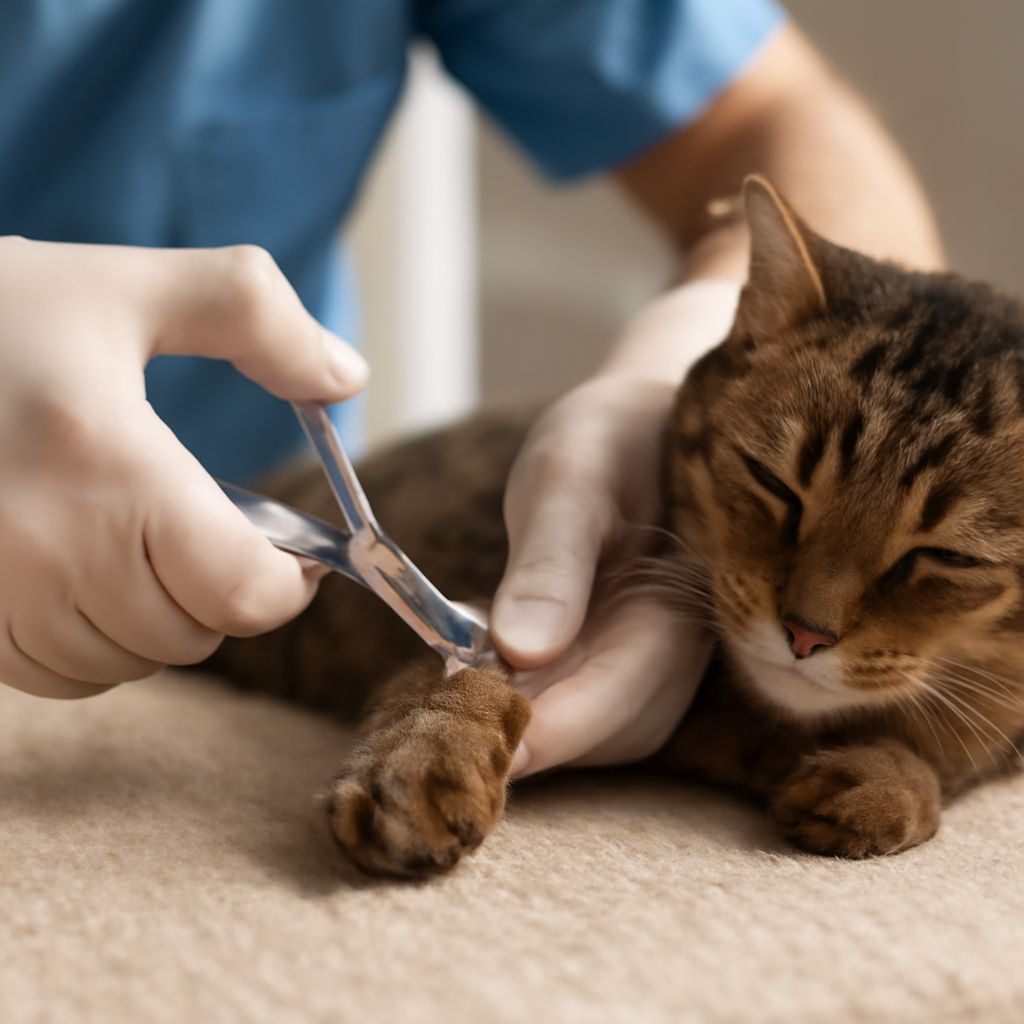
Nail trimming is an effective and straightforward declawing cats alternative. Regularly trimming your cat’s nails reduces the likelihood of damage to furniture and skin. Using a proper cat nail clipper, gently snip the sharp tips. It’s essential to avoid cutting the quick, the sensitive part of the nail, to prevent pain and bleeding. By maintaining a routine, you help your cat adapt to the process, making it a stress-free experience.
Using Nail Caps as a Declawing Cats Alternative
Nail caps are small, soft covers that fit over your cat’s claws, preventing damage from scratching. This declawing cats alternative is non-invasive and easy to apply. Available in various sizes and colors, nail caps can last several weeks before they naturally fall off with nail growth. Although some cats may initially resist, most adapt quickly, allowing them to express their scratching instincts without harm.
Training Your Cat to Use Scratching Posts
Scratching posts are an excellent way to redirect your cat’s scratching behavior. By offering various scratching surfaces, such as sisal, carpet, or cardboard, you can cater to your cat’s preferences. Encouraging your cat to use these posts involves positive reinforcement, like treats or affection, when they scratch designated areas. Over time, this alternative to declawing a cat helps preserve your furniture and satisfies your pet’s natural urges.
Behavioral Training as an Alternative to Declawing Cats
Behavioral training involves teaching your cat to follow commands and redirecting unwanted actions. This method requires patience but can be highly effective as an alternative to declawing cats. Start by gently discouraging inappropriate scratching and encouraging desirable behavior. Consistency is key, and using clicker training or rewards can reinforce positive habits.
Safety Recap: When using tools like nail clippers or applying nail caps, ensure you follow instructions carefully to avoid injury. Regularly check your cat’s paws for signs of discomfort and consult a veterinarian if you have any concerns about their nail care.