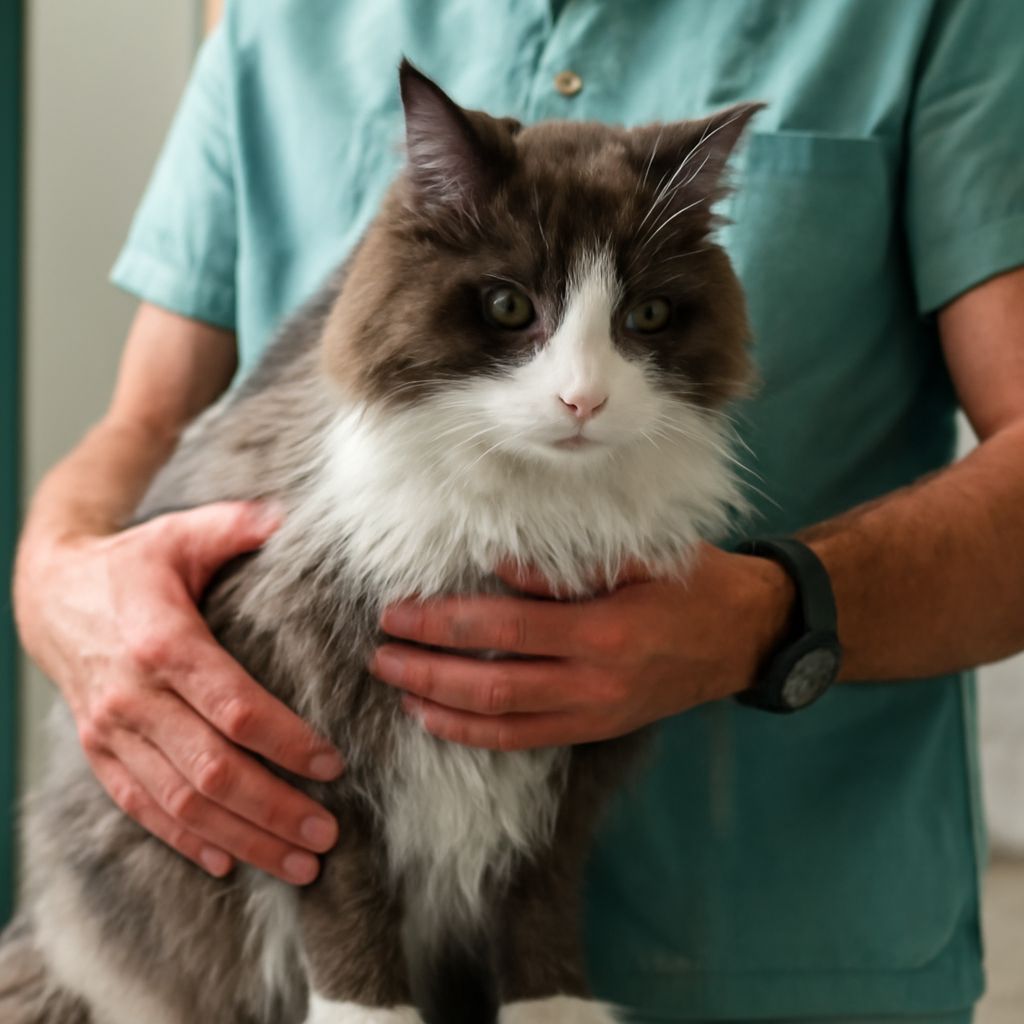
Imagine you’re stroking your cat’s soft fur, listening to the rhythmic purr that usually calms you both. But today, during a routine veterinary visit, the vet listens to your beloved pet’s heart and mentions the possibility of a heart murmur. The words sound foreign and concerning: heart murmur cats. Your mind races with questions about what this means for your feline friend’s health and future. Understanding cat heart murmur becomes your new priority, and you seek guidance on the causes, symptoms, and treatment options available.
In times like these, knowing what a heart murmur is and how it affects cats can help you ensure your pet’s well-being. From recognizing symptoms to exploring care strategies, you’ll find the knowledge you need to support your cat through this condition.
What Is a Heart Murmur in Cats?
A heart murmur in cats refers to an abnormal sound heard during a heartbeat cycle, often detected during routine veterinary examinations. This sound results from turbulent blood flow within the heart, which can indicate various underlying issues. It’s important to grasp that a heart murmur isn’t a disease itself but rather a symptom of potential cardiac or systemic conditions.
Heart murmurs can vary in intensity, ranging from soft and barely audible to loud and pronounced. They are often classified by grades, with higher grades usually indicating a more severe underlying problem. Understanding the nuances of heart murmurs can guide you in navigating the care your cat may need.
Causes of Heart Murmurs in Cats
There are several potential causes of heart murmurs in cats. Some murmurs are benign and might not affect the cat’s health, while others could signal more serious issues. Common causes include congenital heart defects, which are present at birth, and acquired heart conditions that develop over time.
Other factors that might lead to a heart murmur include hyperthyroidism, anemia, and hypertrophic cardiomyopathy. Stress and excitement can temporarily cause turbulence in blood flow, leading to a murmur, but these are usually not concerning.
Symptoms of Heart Murmur Cats
Heart murmur symptoms in cats can widely vary depending on the underlying cause and severity. Cats are adept at hiding discomfort, so as an owner, vigilance is crucial. You might notice your cat becoming lethargic, showing signs of breathlessness, or displaying a reluctance to engage in physical activities that were previously enjoyable.
Additional symptoms to watch for include coughing, weight loss, and occasional fainting. It’s vital to consult with a veterinarian if you observe any of these signs, as they can provide further insights into your cat’s cardiac health.
Diagnosing Heart Murmur Cat
Diagnosing a heart murmur in cats typically involves a thorough physical examination by a veterinarian. The vet uses a stethoscope to listen to the cat’s heartbeat, noting any irregularities. If a murmur is detected, further diagnostic tests like echocardiograms, X-rays, or blood tests may be recommended to identify the underlying cause.
These tests help determine the severity and implications of the murmur, guiding the vet in developing a tailored approach to your cat’s care. Understanding the diagnostic process can reassure you and empower your decisions regarding managing your cat’s condition.
Treatment and Care for Cats with Heart Murmurs
Once a heart murmur is diagnosed, treatment and care depend on its cause and severity. If benign, regular monitoring and check-ups might be all that is needed. For more serious conditions, medication or dietary changes may be prescribed to manage symptoms and support heart function.
In cases of underlying heart disease, your vet may suggest more intensive treatment strategies, including medications like ACE inhibitors or beta-blockers. Lifestyle adjustments, such as weight management and reducing stress, can also play a vital role in your cat’s health. Collaboration with your veterinarian ensures the best possible care, aiding in improving your cat’s quality of life.
It’s essential to maintain open communication with your vet, keeping track of any changes in your cat’s behavior or physical condition. Regular follow-ups allow for adjustments in treatment and provide peace of mind as you navigate your cat’s heart health.
Bottom line: Understanding heart murmur in cats involves knowing its causes, symptoms, and diagnosis process. Through informed care and regular vet visits, you can help ensure your feline friend’s health and happiness, turning a concerning diagnosis into manageable reality. Stay proactive and compassionate in your approach to your cat’s well-being.