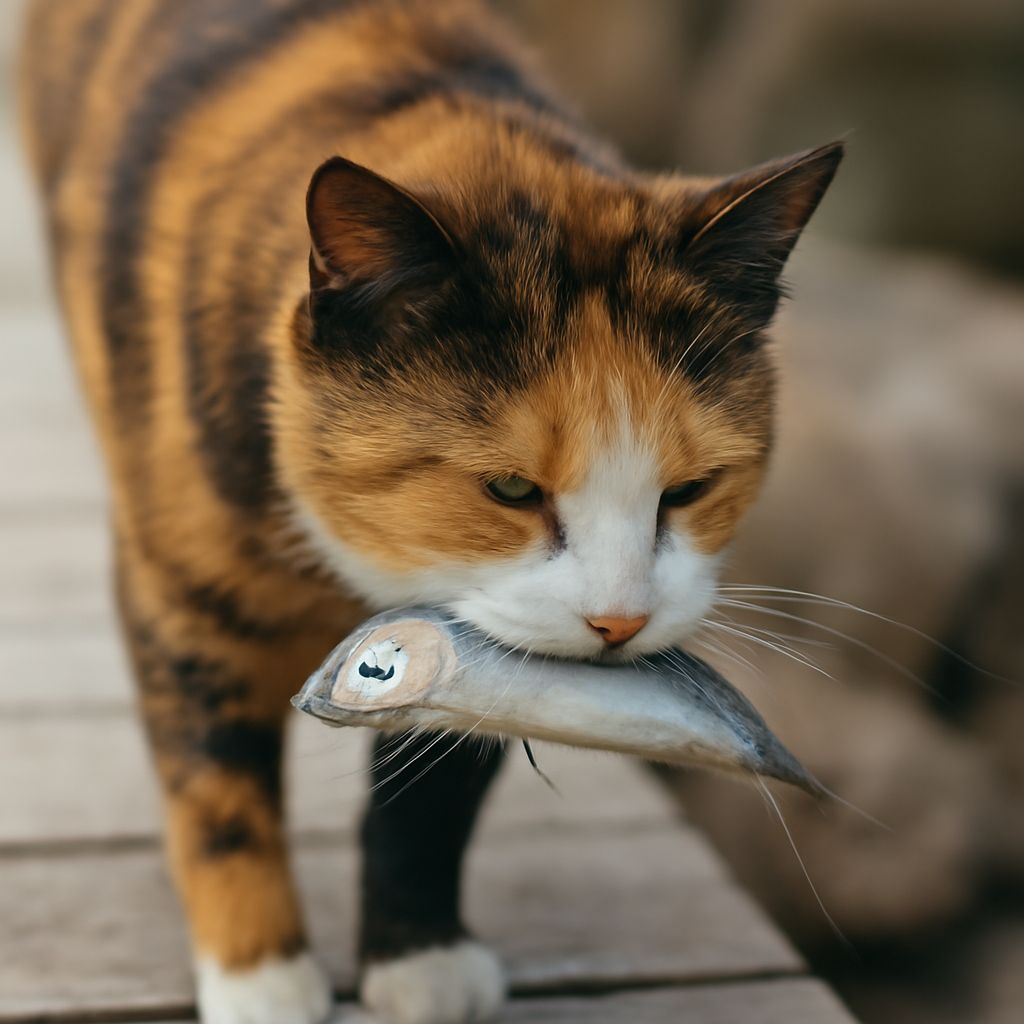
Imagine yourself strolling down the aisles of a grocery store, contemplating the freshest options for your feline friend. Your eyes land on a package of salmon, and you can’t help but wonder, “Can cats eat salmon?” It’s a common question, especially if you’re looking to diversify your cat’s diet with a protein-rich treat. You consider the vibrant color and rich aroma of the fish, pondering whether your cat would enjoy it as much as you do. But is salmon good for cats, and is it safe to serve it raw or should it be cooked?
The Nutritional Benefits of Salmon for Cats
Salmon is renowned for its high nutritional value, making it a potentially excellent addition to your cat’s diet. It’s packed with omega-3 fatty acids, which are essential for maintaining a healthy coat and skin in cats. These fatty acids also support joint health and can reduce inflammation. Furthermore, salmon is an excellent source of protein, vital for muscle maintenance and development in cats.
Alongside these, salmon contains a variety of vitamins and minerals such as vitamin B12, selenium, and potassium. These nutrients contribute to overall well-being, supporting everything from energy production to immune function. In moderation, incorporating salmon into your cat’s meals can offer a multitude of health benefits, enhancing their diet with a tasty twist.
Can Cats Eat Raw Salmon?
When considering raw salmon for your cat, it’s crucial to weigh the pros and cons. While raw salmon maintains its full nutritional profile, it may also harbor bacteria and parasites that can be harmful to cats. Consuming raw fish can expose your pet to risks like salmonella and listeria, which are particularly dangerous for animals with weakened immune systems.
Thus, while some cats may tolerate raw salmon, it is typically safer to avoid serving it in its uncooked form. Cooking the salmon reduces these risks, ensuring that your feline companion enjoys the benefits without potential health hazards.
Is Cooked Salmon Safer for Cats?
Cooked salmon is generally a safer option for cats. Cooking the fish eliminates harmful bacteria and parasites, making it a more secure choice for regular feeding. It’s important, however, to prepare the salmon without additional seasonings or oils that could upset your cat’s stomach or be toxic.
Baking or steaming salmon ensures that it retains most of its nutritional benefits while being palatable for your cat. By keeping the preparation simple, you can provide a safe and delicious treat that your cat will likely savor.
Potential Risks: Is Salmon Bad for Cats?
While salmon can be a healthy addition to your cat’s diet, there are potential risks to consider. One concern is the presence of thiaminase, an enzyme found in raw fish that can destroy thiamine, an essential B vitamin. Deficiency in thiamine can lead to neurological issues in cats. Moreover, excessive consumption of salmon can lead to mercury accumulation, which is hazardous over time.
Feeding salmon in moderation and ensuring it is properly cooked can mitigate these risks. It’s also wise to diversify your cat’s diet, incorporating other protein sources to ensure a balanced intake of nutrients.
How to Safely Feed Salmon to Your Cat
To safely feed salmon to your cat, start by choosing high-quality, fresh fish. Always cook the salmon thoroughly, avoiding the use of any harmful ingredients such as onions, garlic, or excessive salt. Cut the fish into small, manageable pieces to prevent choking hazards.
Introduce salmon gradually into your cat’s diet, observing for any allergic reactions or digestive issues. If your cat enjoys the fish and tolerates it well, you can continue to offer it occasionally as a special treat. Remember to monitor portion sizes and maintain a balanced diet to keep your cat healthy and content.
Bottom line: While salmon can be a nutritious treat for your cat, it’s important to serve it safely and in moderation. Cooked salmon is generally preferable, reducing the risk of harmful bacteria. By following simple preparation tips and ensuring a balanced diet, you can enrich your cat’s meals with this delightful fish.