
Imagine coming home one day to find your usually energetic cat unusually quiet and withdrawn. As you observe her closely, you notice a decrease in appetite and a change in behavior. You’re concerned, so you start researching potential health issues that could be affecting your feline friend. Your search leads you to information about pancreatitis in cats symptoms, a condition that might explain her distress. Understanding the signs and how to manage them could be crucial in helping your cat feel better.
Understanding Pancreatitis in Cats
Pancreatitis in cats refers to the inflammation of the pancreas, an organ essential for digestion and hormone production. Unlike in dogs, feline pancreatitis is often more subtle and can be challenging to diagnose. The pancreas plays a critical role in producing enzymes that aid in digestion and regulating insulin. When this organ becomes inflamed, these functions can be disrupted, leading to various health problems.
The condition can be either acute or chronic, with acute pancreatitis occurring suddenly and chronic pancreatitis developing over time. It’s crucial to recognize the symptoms early, as this can significantly impact your cat’s recovery and overall health. Understanding the underlying causes and symptoms will equip pet owners with the knowledge needed to support their pets effectively.
What Causes Pancreatitis in Cats?
Several factors can lead to pancreatitis in cats. Dietary indiscretion, such as consuming inappropriate food, is a common cause. Obesity and certain toxins can also contribute to the development of this condition. Infections or parasites might trigger an inflammatory response in the pancreas, leading to pancreatitis.
Additionally, trauma or surgery in the abdominal area can affect the pancreas, as well as certain medications that may have adverse effects on your cat’s digestive system. It’s essential to consider these factors when assessing your cat’s health and consult a veterinarian for a thorough evaluation.
Recognizing Symptoms of Pancreatitis in Cats
The symptoms of pancreatitis in cats can be subtle. Common indicators include lethargy, decreased appetite, and vomiting. Some cats may exhibit abdominal pain or diarrhea, although these symptoms are not always present. Weight loss and dehydration can also signal pancreatitis.
Vigilance in observing your cat’s behavior is crucial. Behavioral changes, such as increased hiding or reduced interaction, can be early signals of distress. Although these symptoms are common to various feline health issues, their presence warrants attention and possibly a veterinary consultation to rule out pancreatitis.
Diagnosing Cat Pancreatitis Symptoms
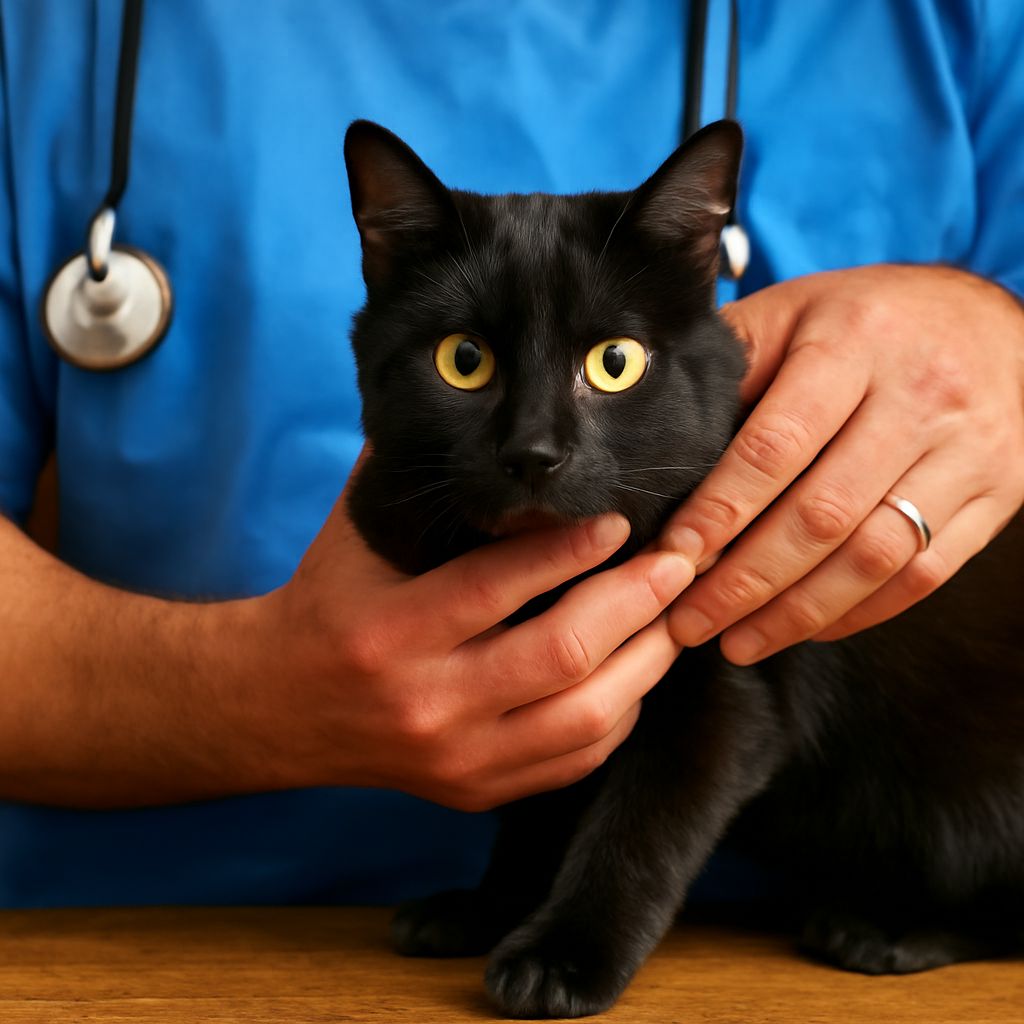
Diagnosing pancreatitis in cats can be complex due to the subtle nature of its symptoms. A veterinarian will often begin with a physical examination and inquire about your cat’s medical history and recent behavior. Blood tests can help identify markers of inflammation and evaluate the overall health of your cat.
Imaging techniques, such as ultrasounds or X-rays, might be employed to visualize the pancreas and surrounding organs. These tools can help rule out other conditions that might mimic the symptoms of pancreatitis. Accurate diagnosis is essential to formulate an effective treatment plan tailored to your cat’s needs.
Treatment and Management Options
Treatment for pancreatitis in cats depends on the severity of the condition. In mild cases, dietary changes can help manage symptoms. Introducing a low-fat, easily digestible diet might assist in reducing pancreatic strain. In more severe cases, hospitalization may be necessary to provide adequate fluid therapy and pain management.
Medications to control nausea and inflammation can also be part of the treatment regimen, ensuring that your cat remains comfortable during recovery. Long-term management might involve regular veterinary check-ups and tailored nutritional plans to prevent recurrence.
Adopting a proactive approach by monitoring your cat’s health and behavior can facilitate early detection and treatment, ultimately aiding in a faster recovery.
Next Steps
Understanding pancreatitis is essential for any cat owner who suspects their feline friend might be affected. If you notice any symptoms, consult with a veterinarian promptly. Regular check-ups and a balanced diet tailored to your cat’s health needs can be valuable measures in preventing pancreatitis. Being informed empowers you to take the necessary steps to ensure your pet’s well-being.