Imagine sitting on your couch, sipping a hot beverage on a lazy afternoon, when suddenly, your cat leaps onto your shoulder and starts nuzzling your ear. You might wonder, “Why do cats like earwax?” Meanwhile, your feline friend might be contemplating whether to take a sip from your cold water glass or inspect the fragrant cinnamon sticks on the table. Cats are infamous for their peculiar behaviors, whether it’s their fascination with high places or the unexpected way they react to being hugged. Understanding these quirky preferences can enhance your bond with your pet and offer insights into their world.
Why Do Cats Like Earwax?
Cats have an uncanny attraction to earwax, and while it may seem odd to us, there’s a biological reason behind this feline behavior. Earwax contains dead skin cells, fatty acids, and a range of other organic substances. To a cat, these are intriguing due to their heightened sense of smell and taste. The scent of these components can resemble the natural pheromones they are drawn to. Therefore, if your cat exhibits a keen interest in your ears, it isn’t merely seeking attention but responding to these intriguing smells.
Do Cats Like Cold Water?
Observing your cat’s water preferences can reveal much about their instincts. While many might assume cats prefer warm environments, quite a few show a preference for cold water. The freshness of cold water might appeal to their natural inclination for clean and uncontaminated drinking sources. However, not all cats share this preference, and some may avoid cold surfaces. Understanding your cat’s individual tastes can ensure they stay hydrated and happy.
Do Cats Like Cinnamon?
While some humans find the spicy aroma of cinnamon delightful, it doesn’t have the same appeal for cats. In fact, many felines are repelled by strong spices, including cinnamon. Cats have a highly sensitive sense of smell, and overpowering scents can be a deterrent. More importantly, cinnamon and similar spices can be harmful if ingested by cats, so it’s crucial to keep such items out of their reach. While they may show curiosity initially, it’s best to discourage them from getting too close.
Why Do Cats Like High Places?
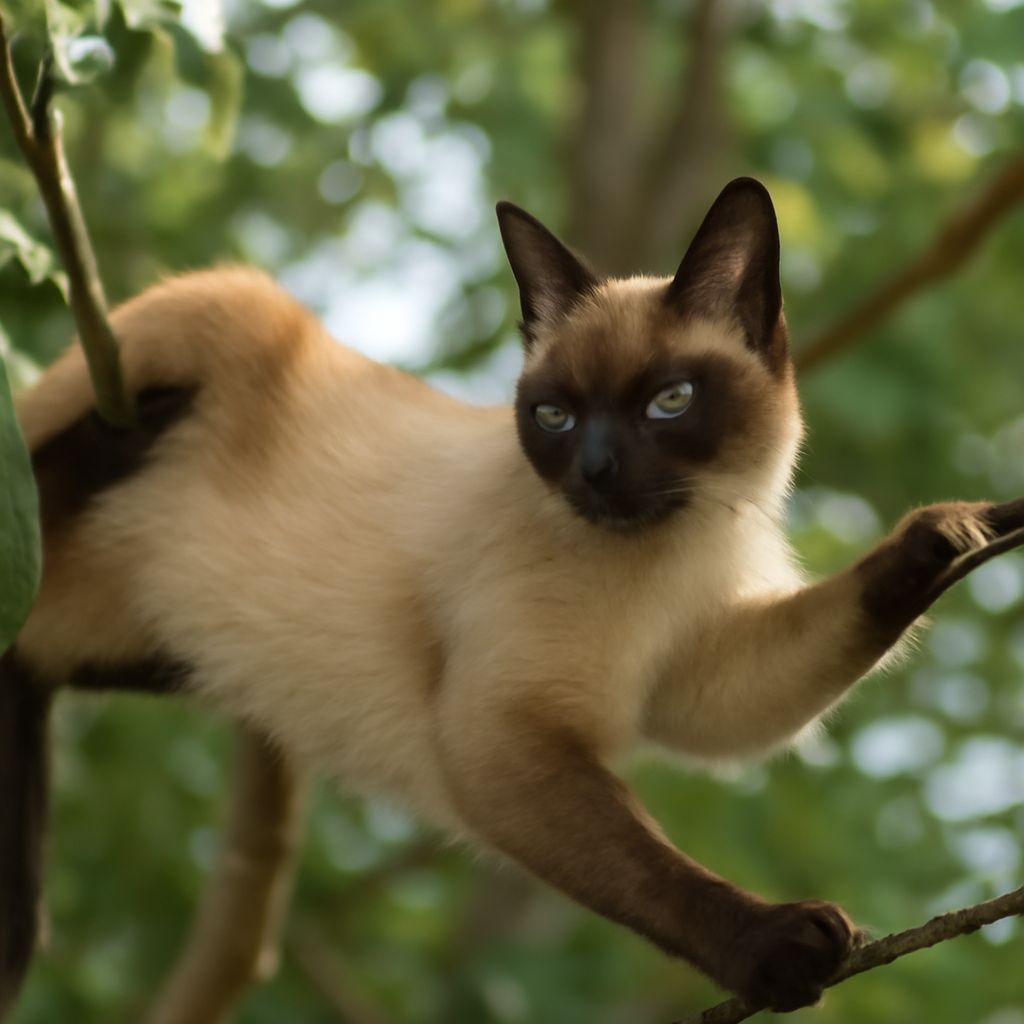
Your feline friend might often be spotted perched atop a bookshelf or peering down from a tall cabinet. This behavior is deeply rooted in their ancestry. In the wild, higher vantage points offer safety from predators and a good position to observe prey. For domesticated cats, these instincts manifest as a love for high places, giving them a sense of security and control over their environment. Providing structured climbing spaces or cat trees can satisfy this instinct while keeping your furniture safe.
Do Cats Like Being Hugged?
While it’s tempting to smother your cat with hugs, not all cats appreciate this form of affection. Some cats find being held or constrained uncomfortable, as it limits their natural agility and independence. Instead, cats often show affection through head butts, gentle nibbles, or simply sitting close to their humans. Observing your cat’s individual comfort levels with touch can guide you in offering affection in a way they enjoy.
Safety Recap: Always monitor your cat’s interactions with various substances and environments. Avoid exposing them to potentially harmful items such as cinnamon, and ensure they have safe spaces to explore their natural behaviors, like climbing and observing from high places.