Imagine you’re lounging on your couch, indulging in a good book, when your cat jumps onto your lap. Suddenly, you hear a familiar sound—your feline companion is about to cough up another hairball. It’s a common scenario for many cat owners, but do you know why it happens or how to help your cat with these hairball issues? Understanding the reasons behind cat hairballs and the steps you can take to prevent them can make a world of difference for your furry friend.
Understanding Cat Hairballs
Hairballs, medically referred to as trichobezoars, are clumps of undigested hair that accumulate in a cat’s stomach. Cats are meticulous groomers, using their tongues to clean their fur. During this process, they swallow loose hair. While most of the ingested hair passes through the digestive tract without issue, some may form a hairball that the cat will eventually cough up.
Hairballs are more than just an occasional inconvenience—they can be uncomfortable and, in rare cases, lead to serious health problems if large hairballs cause an obstruction in the digestive system. Thus, understanding and managing hairballs is crucial for your cat’s health and comfort.
Why Do Cats Cough Up Hairballs?
Cats cough up hairballs primarily due to the grooming habits inherent to their species. As your cat grooms, tiny hook-like structures on their tongue catch loose hairs, which are then swallowed. Over time, hair can collect in the stomach, especially in long-haired breeds or during shedding seasons, leading to the need for your cat to expel the hairball. This expulsion is a natural bodily function designed to prevent intestinal blockage.
While it’s normal for cats to pass a hairball every few weeks, more frequent occurrences may indicate excessive grooming, often due to skin irritation, allergies, or stress. Ensuring your feline’s coat is healthy and looking for signs of skin issues can help mitigate excessive shedding.
Signs Your Cat Is Coughing Up a Hairball
As a pet owner, recognizing when your cat is experiencing hairball problems is vital. Typical signs include retching, gagging, or hacking sounds, often followed by the expulsion of a hairball. Some cats may display other symptoms, such as constipation, lack of appetite, or lethargy, if they struggle to pass a hairball.
Pay attention to your cat’s grooming patterns and any changes in behavior. Persistent retching without producing a hairball may warrant veterinary attention, as it could signal a blockage or another underlying health issue.
How to Help Your Cat with Hairball Problems
Helping your cat with hairball issues involves a combination of dietary, grooming, and environmental strategies. Consider the following tips:
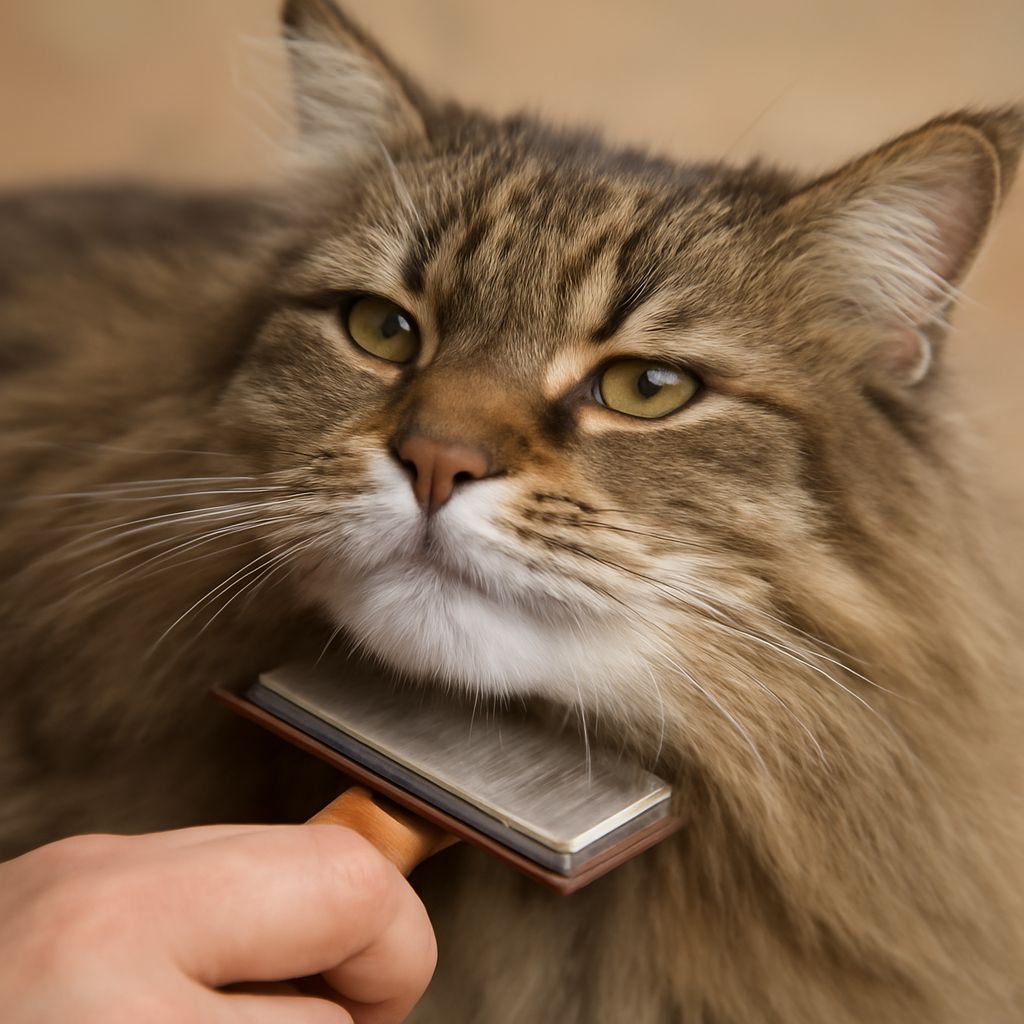
- Regular Grooming: Brush your cat frequently to remove loose hair. This is especially important for long-haired breeds. The more hair you remove with a brush, the less your cat will ingest.
- Dietary Adjustments: Some cat foods are specially formulated to reduce hairball formation. These foods often have higher fiber content, helping to move ingested hair through the digestive system.
- Laxatives and Hairball Remedies: Over-the-counter hairball remedies can help your cat pass hairballs more easily. These products typically contain mild laxatives or lubricants.
Always consult with your vet before introducing new products or significant diet changes to ensure they’re safe for your specific pet.
Preventing Cat Hairballs
Prevention is often the best approach to managing cat hairball issues. Here are some preventive measures you can take:
- Consistent Brushing: Regular brushing can significantly reduce the amount of hair your cat ingests. Make grooming sessions a routine part of your cat’s care.
- Provide Healthy Nutrition: A balanced diet not only supports overall health but also promotes a healthy coat. Omega-3 and Omega-6 fatty acids, found in many quality pet foods, can reduce shedding.
- Hydration: Ensure your cat has access to plenty of fresh water, which aids in digestion and can help move hair through the system.
- Monitor Environment: A stress-free environment can reduce excessive grooming. Provide your cat with toys, scratching posts, and engaging activities to keep them mentally and physically stimulated.
Understanding why cats cough up hairballs and learning how to help your cat with these issues can improve your pet’s comfort and well-being. With attentive care and proactive measures, you can reduce the frequency of hairballs and ensure your feline friend stays happy and healthy.