
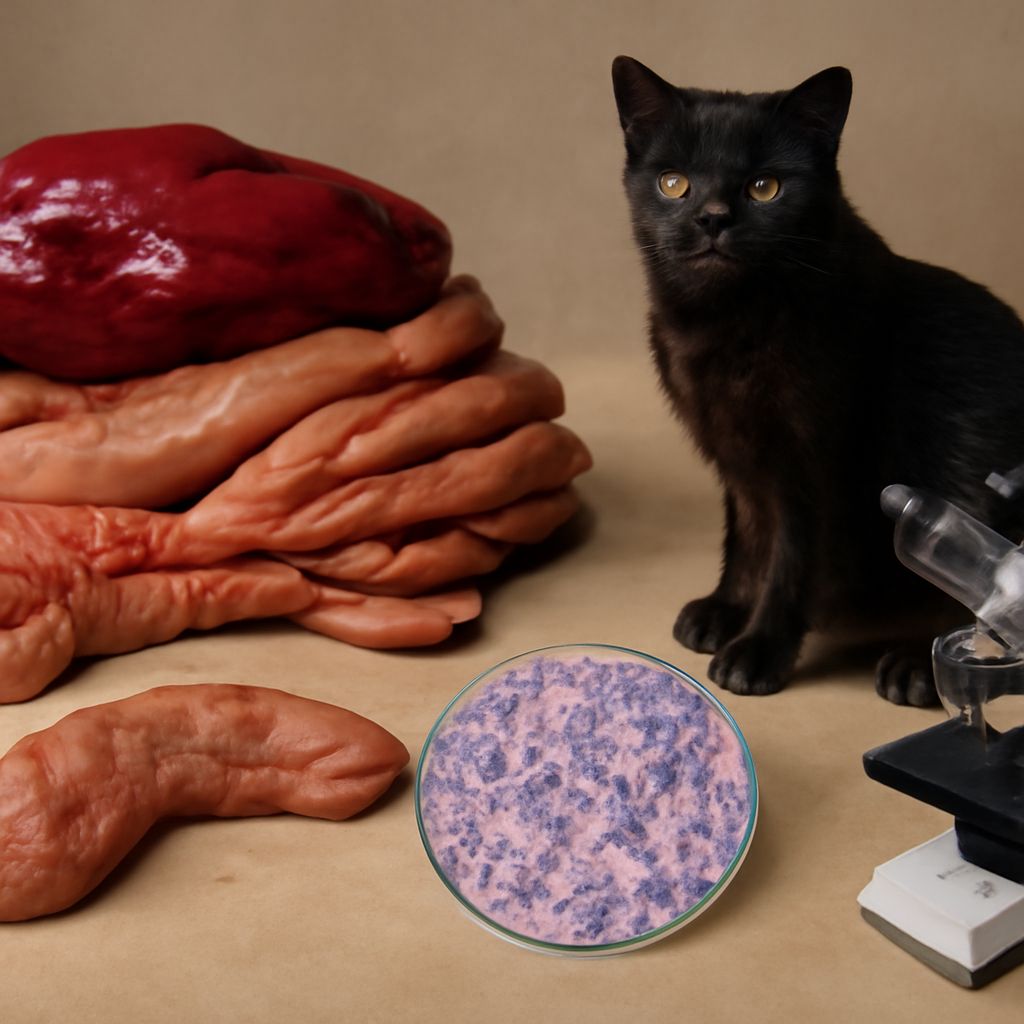
Imagine observing your beloved cat, who usually greets you with playful antics, suddenly becoming lethargic and disinterested in food. As a responsible pet owner, you are understandably concerned. You recall reading about pancreatitis in cats and wonder if your furry friend might be suffering from it. Recognizing the signs of pancreatitis in cats is crucial for ensuring timely treatment. Pancreatitis in cats requires prompt attention, and understanding the symptoms can guide you in seeking appropriate care.
Recognizing Signs of Pancreatitis in Cats
Cats with pancreatitis often exhibit subtle yet significant changes in behavior and health. Common signs include a sudden loss of appetite, vomiting, and noticeable weight loss. Some cats may become withdrawn or less responsive to interaction. In some cases, cats might experience diarrhea or appear to be in discomfort. Observing these symptoms in your cat should prompt a visit to the veterinarian, as early detection is vital in managing pancreatitis effectively.
Understanding Pancreas Function in Cats
The pancreas is a small but essential organ in cats, playing a crucial role in digestion and insulin production. It secretes enzymes that aid in breaking down food, ensuring nutrients are properly absorbed. Additionally, the pancreas regulates blood sugar levels by producing insulin. Understanding the functionality of the pancreas helps in appreciating why pancreatitis can have such a detrimental impact on your cat’s overall health.
Diagnosis and Tests for Pancreatitis
Diagnosing pancreatitis in cats often involves a combination of physical examinations and specialized tests. Veterinarians may perform blood tests to check for elevated enzyme levels, which can indicate inflammation of the pancreas. An ultrasound might be used to visualize the organ and assess any potential damage. In certain cases, a biopsy could be required for a definitive diagnosis. These diagnostic methods enable veterinarians to tailor their treatment plans effectively.
Treatment for Pancreatitis in Cats
Treating pancreatitis in cats often requires a multifaceted approach. Fluid therapy is commonly administered to prevent dehydration, while pain management is crucial for alleviating any discomfort. Nutritional support plays a significant role, with veterinarians recommending easily digestible diets to minimize stress on the pancreas. In some cases, anti-nausea medications and appetite stimulants can help restore normal eating patterns. It’s essential to follow your veterinarian’s guidance closely to ensure a successful treatment plan.
Preventive Measures and Long-term Care
Preventing pancreatitis in cats involves lifestyle and dietary adjustments. Feeding your cat a balanced and nutritious diet while avoiding high-fat foods can reduce the risk of pancreatic issues. Regular veterinary check-ups are crucial for monitoring your cat’s health and detecting any early signs of trouble. Long-term care for cats recovering from pancreatitis may include ongoing dietary management and regular blood tests to monitor pancreatic health.
Safety Recap: Always consult with a veterinarian before making any changes to your cat’s diet or treatment plan. Proper care and early intervention can significantly improve the quality of life for cats with pancreatitis.