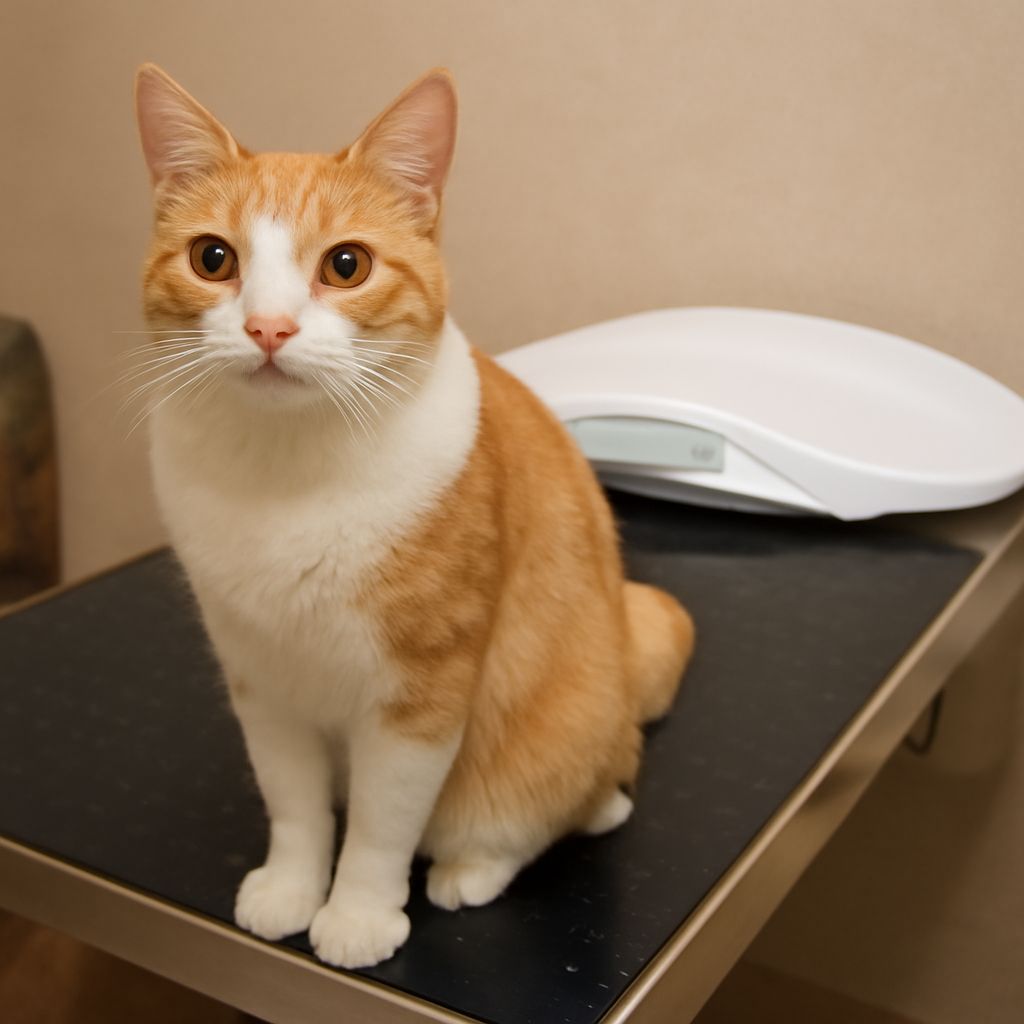
Imagine you return home one evening to find your usually lively cat hiding and lethargic. Concerned, you notice a distinct change in behavior, with your feline friend refusing food and exhibiting noticeable discomfort. This distress signals a potential health issue, specifically an intestinal blockage. Understanding how to prevent such cat intestinal blockage cases can spare your pet from pain and you from worry. As a responsible pet owner, learning about these symptoms and exploring home remedies can make all the difference in maintaining your furry companion’s health.
Introduction to Intestinal Blockage in Cats
Cats are known for their curious nature, which often leads them to ingest items they shouldn’t, potentially resulting in an intestinal blockage. This condition occurs when something obstructs the normal passage of food through the intestines, leading to severe health issues if not addressed promptly. Recognizing the signs early and understanding the causes are crucial steps in ensuring your cat’s well-being.
Recognizing Cat Intestinal Blockage Symptoms
Identifying the symptoms of an intestinal blockage in your cat is vital for timely intervention. Common indicators include vomiting, loss of appetite, abdominal pain, and a notable decrease in energy levels. You might also observe changes in litter box habits, such as constipation or diarrhea. It’s important to monitor your cat’s behavior closely and consult with a veterinarian if these symptoms persist. Early detection can prevent more serious complications and aid in a quicker recovery.
Causes of Intestinal Blockage in Cats
Several factors can lead to intestinal blockages in cats. Young and inquisitive cats are prone to ingesting foreign objects like strings, toys, or even hairballs, which can become lodged in their intestines. Another potential cause is tumors that obstruct the intestinal passage. Additionally, dietary indiscretions, such as consuming non-digestible materials, can also lead to blockages. Understanding these causes can help you take preventive steps to protect your cat’s health.
Preventing Cat Intestinal Blockage
Prevention is always better than cure, and this holds true for intestinal blockages in cats. To stop cats from ingesting harmful items, ensure their environment is free of small objects that can be easily swallowed. Providing a balanced diet rich in fiber can also help maintain healthy digestion and reduce the risk of blockages. Regular grooming is essential, particularly for long-haired cats, to minimize the risk of hairballs. Additionally, keeping an eye on your cat’s behavior and dietary habits can alert you to potential issues before they become serious problems.
Cat Intestinal Blockage Home Remedy
In some cases, minor blockages can be addressed at home with proper care and attention. Adding a small amount of olive oil or canned pumpkin to your cat’s diet may help lubricate their digestive tract, promoting the passage of foreign objects. However, it’s imperative to consult with a veterinarian before attempting any home remedies, as some blockages require professional medical intervention. Never rely solely on home treatments if your cat’s condition does not improve or if symptoms worsen.
Safety Recap: Always consult a veterinarian if you suspect an intestinal blockage in your cat. While home remedies can assist in minor cases, professional guidance is essential to ensure your pet’s safety and health.