Imagine you’re relaxing at home when suddenly, your cat begins to make an unusual snorting noise. It sounds alarming, almost like a reverse sneeze. You might worry if this is normal for your pet or if a trip to the vet is necessary. Understanding cat reverse sneezing can help calm your nerves and provide the best care for your feline friend. In this article, we’ll explore what causes a cat to experience a reverse sneeze, how it contrasts with a regular sneeze, and steps you can take to assist your pet during these episodes.
What Is Cat Reverse Sneezing?
Cat reverse sneezing is an unusual occurrence where a cat makes a series of rapid, forceful inhalations. This is often mistaken for a respiratory issue, but it is a reflex response. Unlike a typical sneeze, which expels air out through the nose, a reverse sneeze involves the rapid inhalation of air. This reflex aims to clear irritants from the nasal passages, much like a dog or even humans might experience a reverse sneeze.
Causes of Reverse Sneezing in Cats
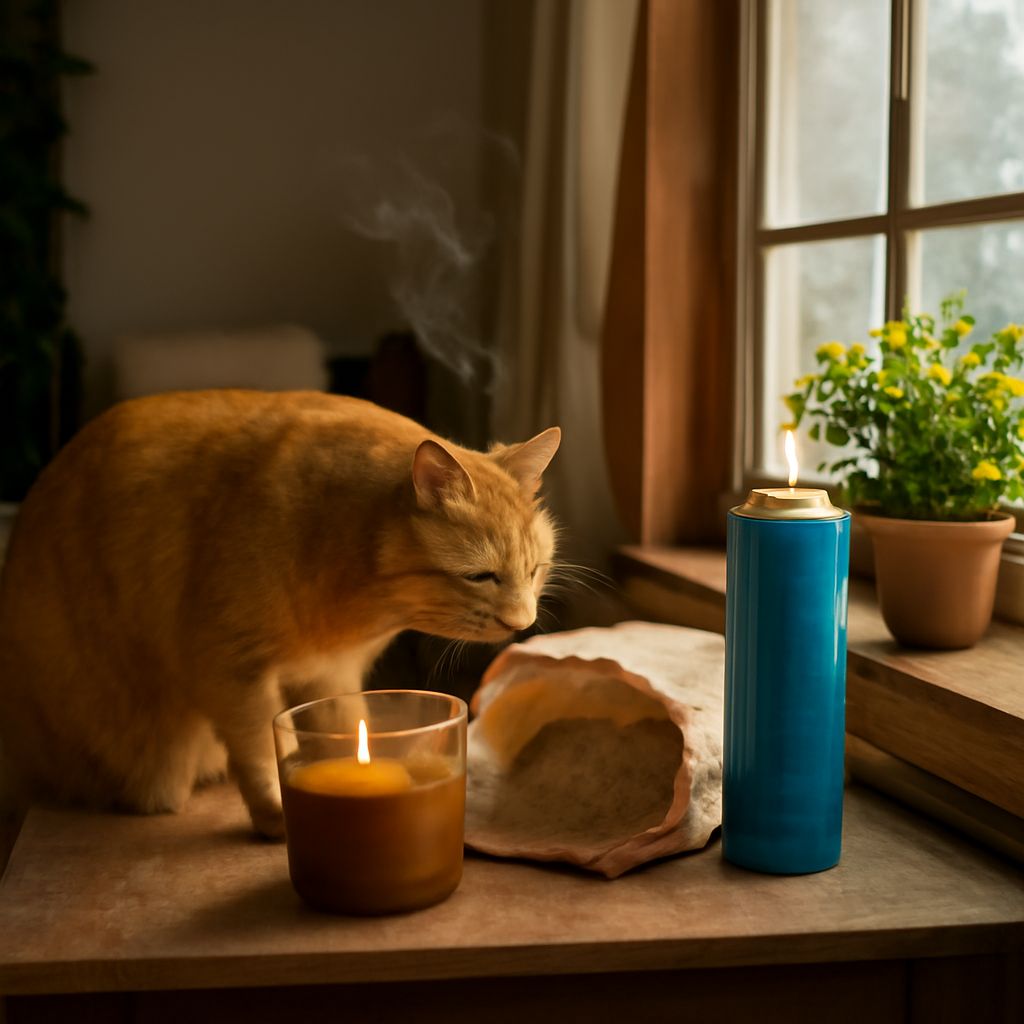
Various factors can trigger reverse sneezing in cats. One common cause is exposure to irritants such as dust, pollen, or strong odors. Allergens in the environment can lead to an increased frequency of reverse sneezing episodes. Additionally, excitement or sudden changes in temperature might provoke these episodes. While less common, anatomical abnormalities or infections can also be underlying causes of this reflex.
Symptoms of a Reverse Sneeze Cat Episode
Recognizing the symptoms of a reverse sneeze cat episode is crucial for any pet owner. During such an episode, your cat may stand still with its head extended and eyes bulging slightly. You will hear distinctive snorting or honking sounds as the cat inhales rapidly. These episodes are usually brief, lasting from a few seconds to a minute, and do not harm the cat.
How to Help Your Cat During a Reverse Sneezing Episode
When your cat experiences a reverse sneezing episode, it’s important to remain calm. Gently massaging your cat’s throat or briefly covering its nostrils might help shorten the episode. Encourage your pet to swallow by offering water or a treat. Keeping the environment free from dust and strong odors can also minimize the frequency of these episodes. However, avoid overreacting or providing too much stimulation, as this can exacerbate the situation.
When to Visit a Veterinarian
While reverse sneezing is typically harmless, persistent or severe episodes warrant a visit to the veterinarian. If your cat frequently experiences reverse sneezing or if the episodes are accompanied by other symptoms like nasal discharge, coughing, or lethargy, professional advice is necessary. These additional indicators might suggest an underlying condition that requires treatment.
Preventing Cat Reverse Sneezing
Preventing reverse sneezing in cats involves reducing exposure to potential triggers. Regular cleaning to minimize dust and keeping your home free of strong fragrances can be helpful. Monitoring your cat for potential allergies and addressing them promptly will also aid in reducing sneezing episodes. If your cat is prone to excitement-induced episodes, maintaining a calm environment may help as well.
Next steps: Stay vigilant to your cat’s health and behavior. Engage in regular check-ups and maintain a clean and stress-free environment for your pet. By understanding the nature of reverse sneezing and following these preventative measures, you can ensure your cat’s well-being and peace of mind for both you and your furry companion.