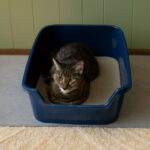
Imagine watching your beloved feline companion suddenly struggling with frequent trips to their litter box. You notice they seem uncomfortable, maybe even in pain. This is any pet owner’s nightmare, and it could be due to cat bladder stones, a troubling condition affecting many cats. As you observe your pet, questions about bladder crystals in cats start to swirl in your mind. What exactly causes these bladder stones in cats? Could there be natural remedies for struvite crystals in cats that might ease their distress?
Understanding Cat Bladder Stones
Bladder stones in cats, also known as uroliths, are mineral formations that can cause significant urinary discomfort and complications. These stones develop when minerals accumulate and crystallize in the urinary bladder. While small bladder crystals might not initially cause issues, larger stones can obstruct the urinary tract, leading to severe health problems. Understanding the nature and development of these bladder formations is crucial for pet owners to ensure their feline friends remain healthy and comfortable.
What Causes Bladder Stones in Cats
The formation of bladder stones in cats can be attributed to various factors. A significant cause is the cat’s diet, which may be high in certain minerals like magnesium, phosphorus, or calcium, promoting crystal formation. Additionally, dehydration in cats can lead to more concentrated urine, increasing the risk of stone development. Genetics also play a role; some cats are predisposed to developing these urinary issues due to their breed or family history. Frequent urinary tract infections can further exacerbate the likelihood of crystals forming in the bladder.
Symptoms of Bladder Crystals in Cats
Recognizing the symptoms of bladder crystals in cats is essential for prompt intervention. Common signs include frequent urination, straining to urinate, and blood in the urine. Affected cats may also display behavioral changes such as increased vocalization, irritability, or avoidance of the litter box. In severe cases, urinary blockage can occur, which is a medical emergency. Observing these symptoms early can prevent complications and allow for more effective management of the condition.
Diagnosing Cat Bladder Stones
Diagnosing bladder stones in cats typically involves a combination of clinical observation and diagnostic testing. Veterinarians may conduct a physical examination and use imaging techniques like X-rays or ultrasound to visualize the stones. Urinalysis can provide insight into the composition of the urine and the presence of crystals or blood. Understanding the exact type of bladder stone is crucial for determining the appropriate treatment strategy, as different stones may require different approaches.
Natural Remedies for Struvite Crystals in Cats
For those seeking natural remedies for struvite crystals in cats, dietary modifications can be an effective approach. Increasing water intake is crucial; consider providing wet food or using water fountains to encourage your cat to drink more. Specially formulated diets that lower urine pH and reduce mineral concentrations can help dissolve struvite stones. Additionally, supplements like cranberry extract or vitamin C might support urinary health by preventing infection and reducing inflammation. However, it is essential to consult with a veterinarian before starting any new treatment to ensure it is safe and appropriate for your cat’s specific needs.
Preventive Measures for Bladder Stones in Cats
Preventing bladder stones in cats primarily involves dietary management and ensuring proper hydration. Providing a balanced diet that is low in stone-forming minerals can significantly reduce the risk. Regular veterinary check-ups are vital to monitor urinary health and catch any issues early. Encouraging your cat to drink more water, such as through wet food or pet fountains, can help maintain dilute urine, reducing stone formation. Environmental enrichment, including regular play and exercise, can also support overall health and stress reduction, which are indirectly beneficial to urinary health.