
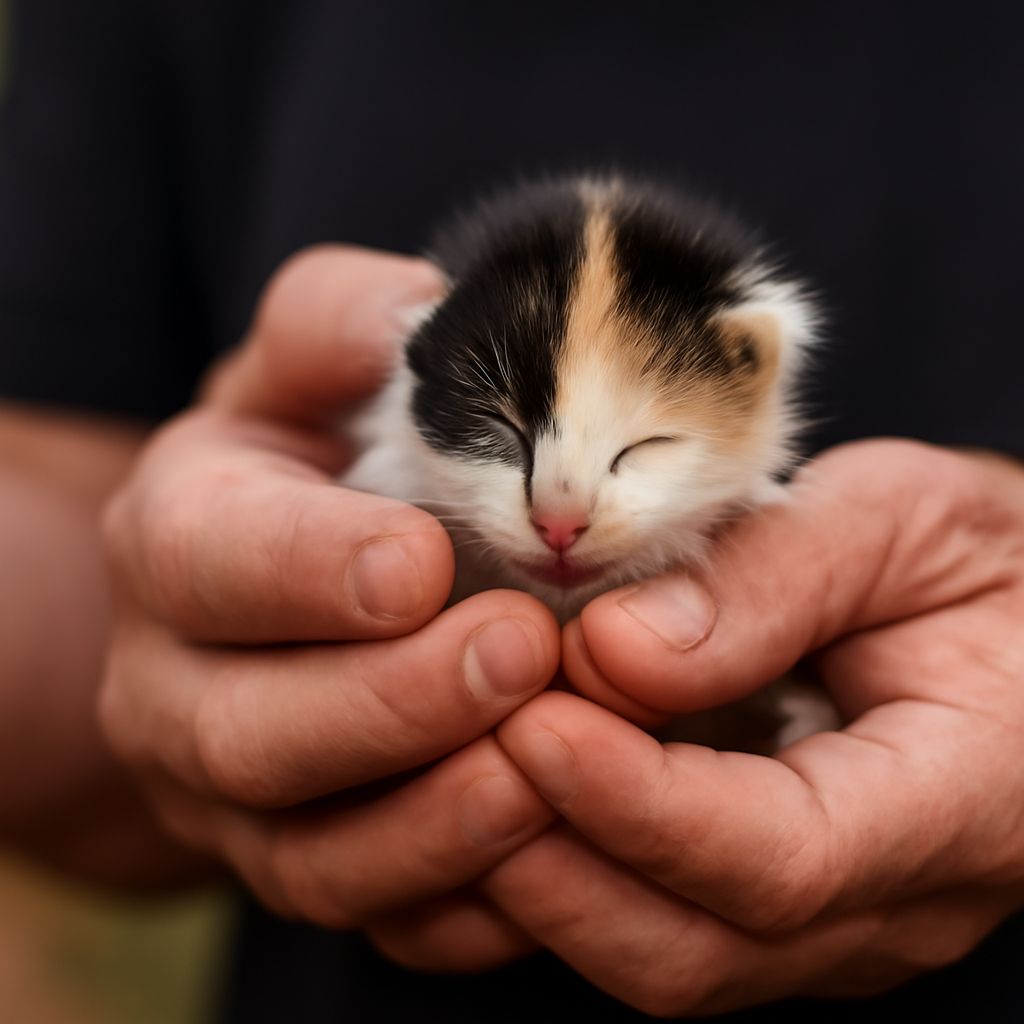
Imagine you’re at the veterinarian’s office, listening attentively as the vet explains the variety of measures available to boost your feline friend’s well-being. Among the essential discussions, the vet emphasizes the importance of core vaccines for cats. As they speak, you recall reading about how catnip oil for cats can provide relaxation benefits, and you’re curious about its use. The conversation then shifts to medications like piperazine and guaifenesin for cats, which also play crucial roles in managing their health. Later, as you’re leaving, you notice a pamphlet discussing the construction of safe catwalks for cats, ensuring they stay active and engaged at home.
Understanding Core Vaccines for Cats
Core vaccines are essential for safeguarding the health of your cat. These vaccinations protect against diseases that are widespread, severe, or transmissible to humans. Commonly recommended core vaccines include those for feline panleukopenia, feline herpesvirus, and feline calicivirus. By ensuring your cat is vaccinated, you’re not only protecting them but also contributing to broader public health efforts.
Regular appointments with your veterinarian will help you maintain an appropriate vaccination schedule. As each cat’s needs can vary, your vet can tailor the vaccine plan based on factors such as age, health status, and lifestyle. It’s important to stay informed about the potential side effects of vaccines; mild reactions like lethargy or a slight fever can occur but are typically short-lived.
Exploring Catnip Oil for Cats and Its Benefits
Catnip oil, derived from the catnip plant, offers several benefits that can enhance your cat’s quality of life. When applied correctly, it can promote relaxation and reduce stress, making it especially useful for anxious cats. The soothing properties of catnip oil can also make it a valuable tool during travel or vet visits.
While some cats respond more intensely to catnip oil, others may show minimal reaction. It’s important to introduce the oil in a controlled manner to gauge your cat’s response. Incorporating catnip oil into playtime can further stimulate your cat’s senses, encouraging mental and physical engagement. Ensure that the oil is used sparingly to avoid overstimulation.
The Role of Piperazine in Feline Health
Piperazine is a common anti-parasitic medication used to treat worm infestations in cats. Worms can cause significant health issues, impacting your cat’s growth, appetite, and overall vitality. Administering piperazine can effectively eliminate these parasites, promoting a healthier intestinal environment.
It is crucial to follow your veterinarian’s instructions when using piperazine to ensure its effectiveness and safety. Over-the-counter options are available, but a vet’s guidance will provide the most accurate dosing information and timing. Monitoring your cat for any adverse reactions post-treatment is also important.
How Guaifenesin Can Aid Your Cat
Guaifenesin is another medication occasionally used in feline health care. Although more common in human medicine, it serves as an expectorant that helps manage respiratory issues by loosening mucus. In cats, it may be prescribed to alleviate symptoms of respiratory infections, facilitating easier breathing.
Veterinarians may recommend guaifenesin as part of a broader treatment plan, particularly if your cat struggles with chronic respiratory conditions. Always consult a professional before administering this medication to ensure it is appropriate for your cat’s specific health needs. Awareness of potential side effects, such as mild gastrointestinal upset, is also essential.
Building Safe Catwalks for Cats
Creating a safe and stimulating environment at home is vital for your cat’s physical and mental well-being. Catwalks, or elevated pathways, offer your feline the opportunity to explore vertical space, which is an instinctual behavior. These structures can help alleviate boredom, reduce stress, and encourage exercise.
When designing catwalks, prioritize sturdy materials and secure installations to prevent accidents. Consider the layout of your home and how the catwalks can integrate seamlessly into the space without obstructing daily activities. Offering a variety of textures and levels can further enrich your cat’s experience, making exploration exciting and safe.
Safety Recap: Always prioritize your cat’s safety when using tools like medications or designing spaces like catwalks. Consult with your veterinarian before introducing new medications such as piperazine or guaifenesin, and ensure any home modifications are secure and cat-friendly.