
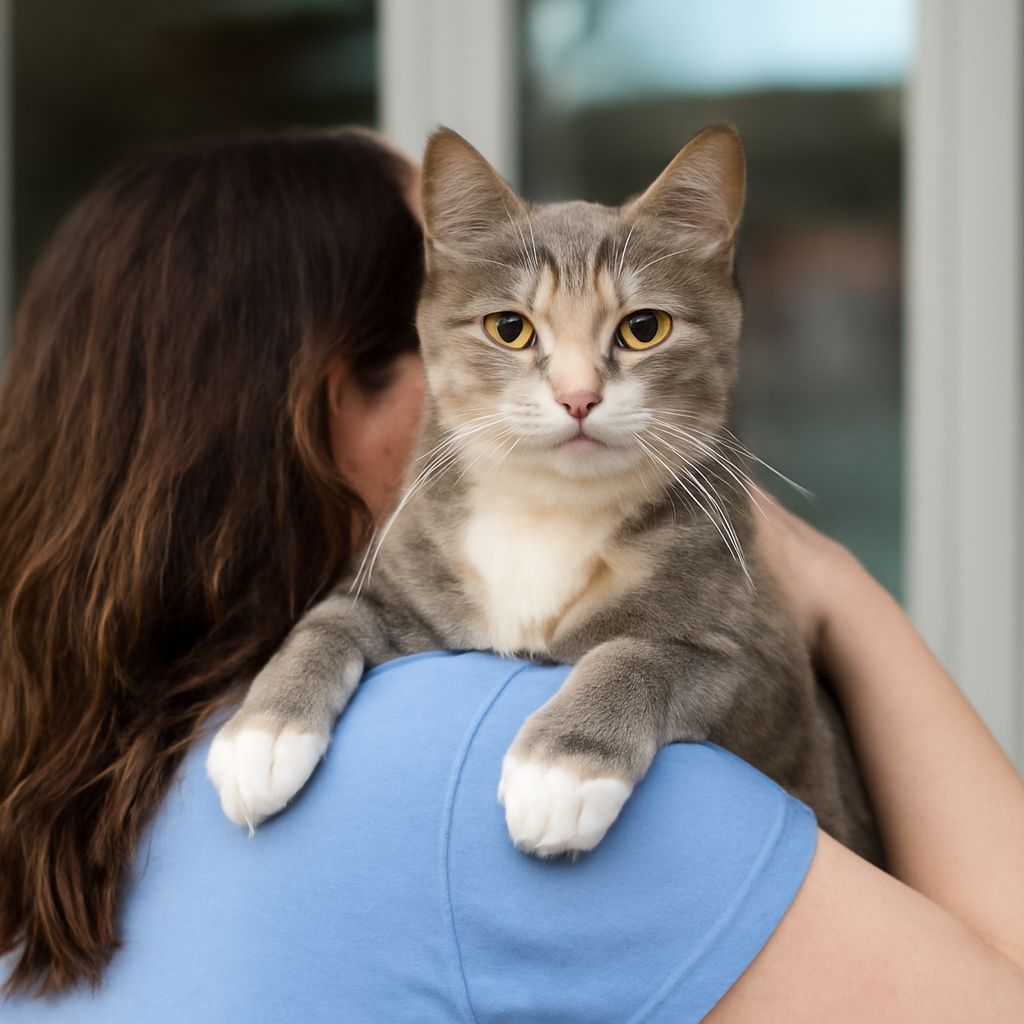
Imagine you’re at home, watching your cat gracefully leap from the couch to the windowsill. Despite their elegance, you’ve begun to notice the increasing damage to your furniture and the occasional scratch on your skin. You’re starting to wonder, “Where can I get my cat declawed, and what does that process involve?” As you delve deeper into the options for declawing older cats, you realize that understanding the right age to declaw a cat is crucial for their well-being. Before making any decisions, exploring alternatives to declawing is also essential, ensuring your cat’s health and happiness.
Understanding Cat Declawing
Cat declawing, or onychectomy, is a surgical procedure that involves removing the cat’s claws and part of the toe bones. This is not just a simple nail trim but a significant surgery that requires careful consideration and understanding. Pet owners might choose declawing due to furniture damage or personal safety concerns, particularly if children are involved.
The procedure itself can be performed through various methods, including the traditional blade technique, laser surgery, or the use of special clippers. Each approach has different implications for the cat’s recovery and potential complications, such as infection or behavioral changes.
Where Can I Get My Cat Declawed
When considering where to have your cat declawed, it’s crucial to find a trusted veterinary clinic. Many clinics offer the procedure, but not all provide the same level of care. Some animal hospitals have specialists in feline surgeries, ensuring that the procedure is as safe and comfortable as possible for your pet.
During your search, prioritize facilities that adhere to high standards of veterinary care, including pre-surgery evaluations and post-operative support. Consulting with your veterinarian about their experience and the surgical methods they use can give you peace of mind.
Declawing Older Cats: What You Need to Know
Declawing older cats poses unique challenges compared to younger felines. Older cats may have a harder time recovering from the surgery, and the procedure can be more painful due to their developed bones and larger claws. Age plays a significant role in the success and recovery of the procedure, making it essential to weigh the risks and benefits carefully.
Before proceeding with declawing, consider your older cat’s health status. Cats with underlying conditions, such as arthritis or chronic illnesses, may not be ideal candidates for declawing. Always discuss these factors with your veterinarian to ensure the best outcome for your cat.
The Right Age to Declaw a Cat
Choosing the right age to declaw a cat is crucial to minimizing potential complications. Kittens or young cats generally recover more quickly and with fewer issues than older cats. The ideal age for declawing is often between three to six months, as their bones are still developing, and they are more adaptable to change.
However, the decision should not be made lightly, regardless of age. Weigh the need for declawing against potential behavioral issues that may arise, such as litter box aversion or increased biting. A veterinarian can provide guidance based on your cat’s specific circumstances and help you make an informed decision.
Alternatives to Declawing
Before deciding on declawing, explore alternatives that can address the root of scratching behavior. Regular nail trimming and providing scratching posts can significantly reduce unwanted scratching. There are also nail caps, which cover the cat’s claws, preventing damage without surgery.
Behavioral training can be an effective long-term solution. Teaching your cat where and how to scratch appropriately can preserve your furniture and your relationship with your pet. Some pet owners have found success with deterrent sprays or double-sided tape on furniture, both of which discourage scratching.
Bottom line: Declawing a cat, especially an older one, requires careful consideration of various factors, including age, health status, and available alternatives. Whether you choose to proceed with the surgery or explore other options, prioritizing your cat’s well-being and comfort is paramount. Always consult with a qualified veterinarian to ensure you make the best choice for your feline companion.