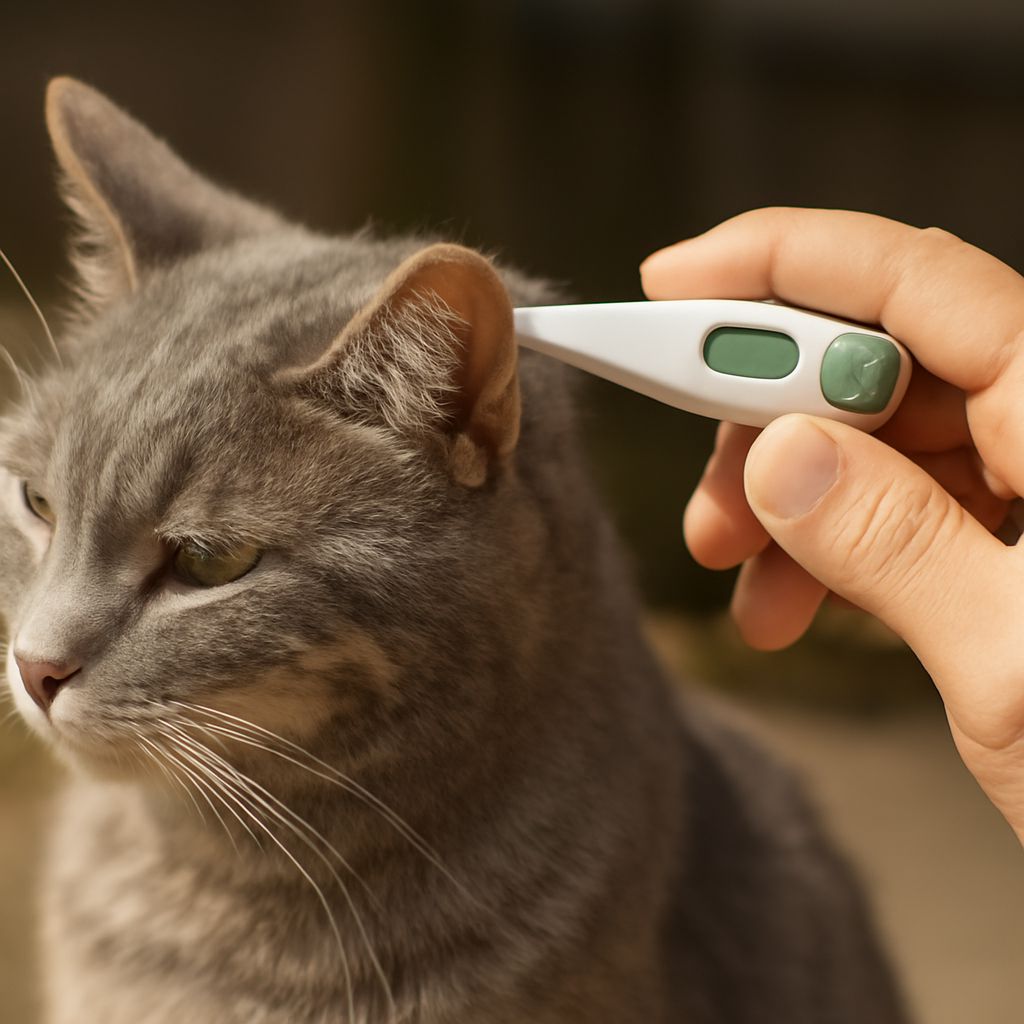
Imagine you are sitting quietly in your favorite chair, a cup of tea in hand, while your beloved feline friend lays peacefully at your feet. You’ve noticed some changes in your cat’s behavior recently, and it’s starting to weigh on your mind. You’re beginning to wonder: Is my cat dying? The thought itself is painful, but you want to know if there are signs your cat is dying so you can be there every step of the way. You might be asking, “How long will it take?” as you seek to understand the process of a dying cat and provide the best care possible.
Understanding the Dying Process in Cats
The dying process in cats is a natural part of life, although it can be emotionally challenging for pet owners. When your feline is near the end of their life, they may exhibit certain behaviors and physical changes as their body begins to shut down. This process can vary greatly from one cat to another, influenced by factors such as age, health conditions, and breed.
Understanding what to expect can help you prepare and provide comfort. During this time, cats may become lethargic, lose interest in food, and seek solitude. It’s important to remember that these signs are part of the natural progression as the body gradually slows down.
Common Signs Your Cat Is Dying
Recognizing the common signs your cat is dying can help you ensure they spend their final days in comfort. One of the primary indicators is a noticeable decrease in appetite. Many cats refuse to eat or drink as they near the end of their life. Additionally, you may observe them sleeping more often, exhibiting a lack of interest in usual activities.
Physical signs can include weight loss, labored breathing, and a decline in grooming habits. If your cat seeks solitude or hides, it may be a sign that they are preparing for the end. Behavioral changes such as increased irritability or disorientation can also be common.
How to Know If Your Cat Is Dying
Knowing if your cat is dying requires careful observation. While some symptoms are clear indicators, others may be subtler. Monitor their daily routines; significant changes can signal that the end is near. Pay attention to their interactions with you and their environment, as social withdrawal can often be a key indicator.
Consulting with a veterinarian can provide clarity and guidance. A professional can help assess whether the symptoms are indicative of the dying process or if there is a treatable condition at play. They can also advise on pain management to ensure your cat remains comfortable.
My Cat Is Dying: How Long Will It Take?
When faced with the reality that your cat is dying, you might wonder, how long will it take? This question is complex as the timeline can vary significantly. In some cases, the process may take only a few days, while in others, it could extend over several weeks.
Understanding this uncertainty is important. It allows you to focus on providing a loving and supportive environment rather than fixating on the time remaining. Each cat’s journey is unique, and being present during this time can be both rewarding and healing.
Caring for Your Dying Cat
Caring for a dying cat involves ensuring they are as comfortable as possible. Create a warm, quiet space where they can rest undisturbed. Offer their favorite soft bedding to provide comfort, and maintain a calm atmosphere.
Monitor their food and water intake, and provide gentle encouragement to eat and drink. However, do not force them if they show no interest. Hygiene is also important; gently clean any messes to keep your cat comfortable and prevent skin issues.
Emotionally, your presence is one of the greatest comforts you can provide. Spend time with your cat, offering gentle strokes and a soothing voice. This reassurance can be incredibly calming during their final days.
Next steps: As you navigate this challenging time, consider reaching out to support groups or pet loss resources for emotional support. Remember that your efforts to provide comfort and care are meaningful. Spend time cherishing the moments you have and create a peaceful environment where your cat feels loved and secure.