
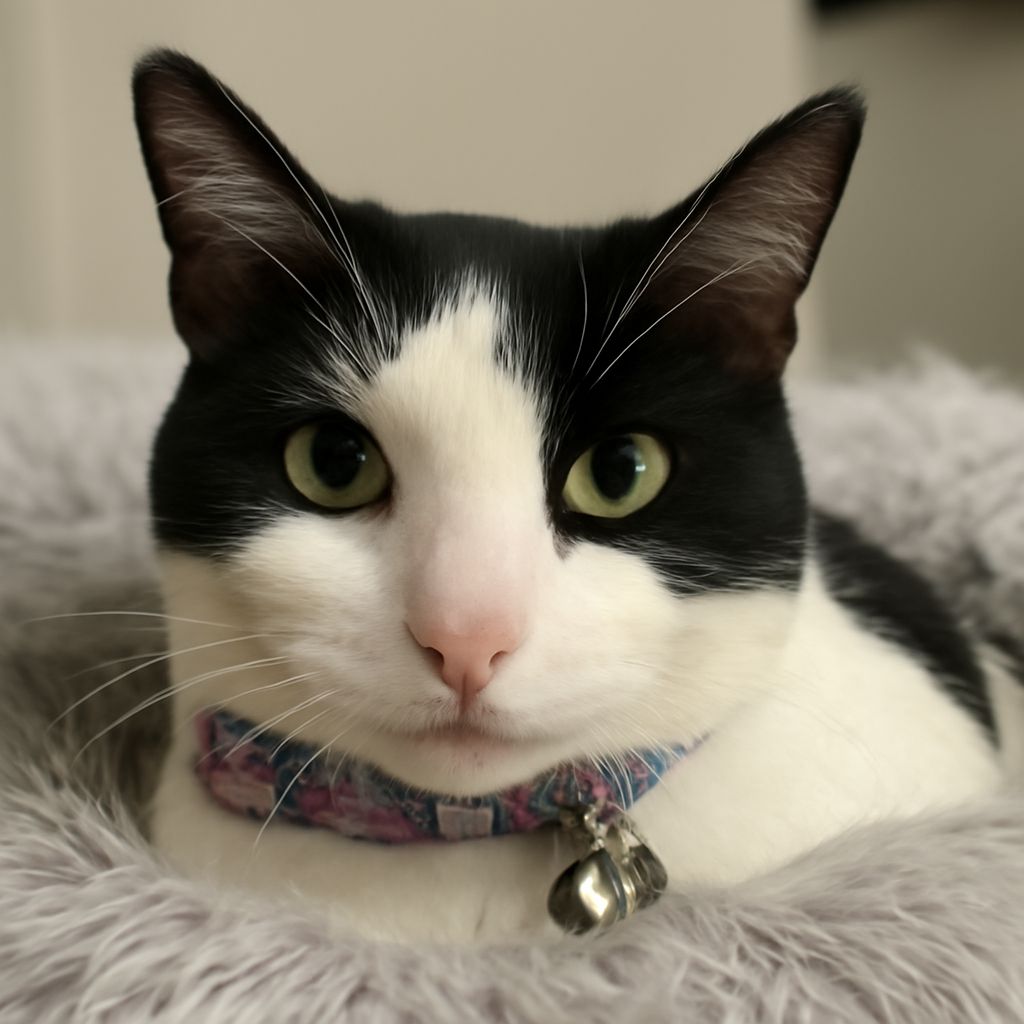
Imagine you notice your beloved cat, Muffin, has been acting differently. She’s more lethargic, has lost weight, and her appetite is inconsistent. Often, you find yourself cleaning up after bouts of diarrhea and vomiting. Concerned, you take Muffin to the vet, only to hear that she might be suffering from inflammatory bowel disease (IBD). Inflammatory bowel disease in cats is a complex condition that affects the digestive health of our feline friends. Understanding this condition is crucial to providing the best care for your pet and ensuring her comfort and wellbeing.
What Is Inflammatory Bowel Disease in Cats?
Inflammatory bowel disease in cats involves a group of gastrointestinal disorders that cause inflammation of the intestines. This inflammation can impact the way a cat absorbs nutrients, leading to various digestive issues. The exact cause of feline IBD is not fully understood, but it is considered an immune-mediated condition, where the immune system mistakenly targets the digestive tract.
IBD can affect cats of any age, although it is more common in middle-aged and older felines. The condition can vary in severity, with some cats experiencing mild symptoms intermittently, while others endure chronic and debilitating digestive problems.
Symptoms of IBD in Cats
Recognizing the symptoms of IBD in cats is essential for early intervention. Common signs include chronic vomiting, diarrhea, and weight loss. Cats with IBD may also exhibit a decreased appetite and general malaise. In some cases, you might notice a change in stool consistency or frequency. These symptoms can be intermittent, making it challenging to pinpoint IBD; however, persistent digestive issues should prompt a visit to the veterinarian.
Diagnosing IBD in Cats
Diagnosing IBD in cats is a multi-step process that often begins with ruling out other causes of digestive distress. Your veterinarian will likely perform a thorough examination, including blood tests, fecal analysis, and imaging studies such as ultrasound or X-rays. Inflammatory bowel disease cats diagnosis can be confirmed with a biopsy, which requires taking a small tissue sample from the intestine to be analyzed for signs of inflammation.
It’s important to note that diagnosis can be complex, and sometimes a definitive cause may not be identified. However, identifying the symptoms and ruling out other conditions are crucial steps in managing your cat’s health.
Causes of Inflammatory Bowel Disease in Cats
The causes of inflammatory bowel disease in cats remain largely unknown. Several factors are believed to contribute, including genetics, diet, and the feline immune system. Allergies or intolerances to certain foods, infections, and environmental stressors may also play a role in triggering IBD. Understanding the potential contributors can help in managing the condition more effectively.
Research suggests that dietary elements might influence the development of IBD. Some cats may react negatively to specific proteins or additives, leading to inflammation in the gut. Consequently, dietary modifications are often part of the treatment plan for affected cats.
Treatment Options for Cats with IBD
Treating cats with IBD involves a combination of dietary changes, medications, and sometimes lifestyle adjustments. Since each cat’s response to treatment can vary, a personalized approach is recommended. Nutrition plays a key role; your vet may suggest a hypoallergenic diet or one with novel proteins to minimize gut irritation.
Medications are often prescribed to manage inflammation and suppress the immune response. Corticosteroids are commonly used to reduce intestinal inflammation, while immunosuppressants may be necessary for more severe cases. Additionally, probiotics can help restore healthy gut flora and improve digestion.
In some instances, holistic approaches such as acupuncture or herbal supplements are explored to support overall health. Regular monitoring and vet check-ups are essential in adjusting treatments and ensuring the best outcomes for your feline friend.
Next steps: Now that you understand more about IBD in cats, consider discussing any concerns with your veterinarian to tailor a care plan for your pet. Regular monitoring and adjustments are key to managing the condition effectively. Keep an eye on any symptoms and be proactive about dietary and lifestyle changes that may help your cat maintain her digestive health.