
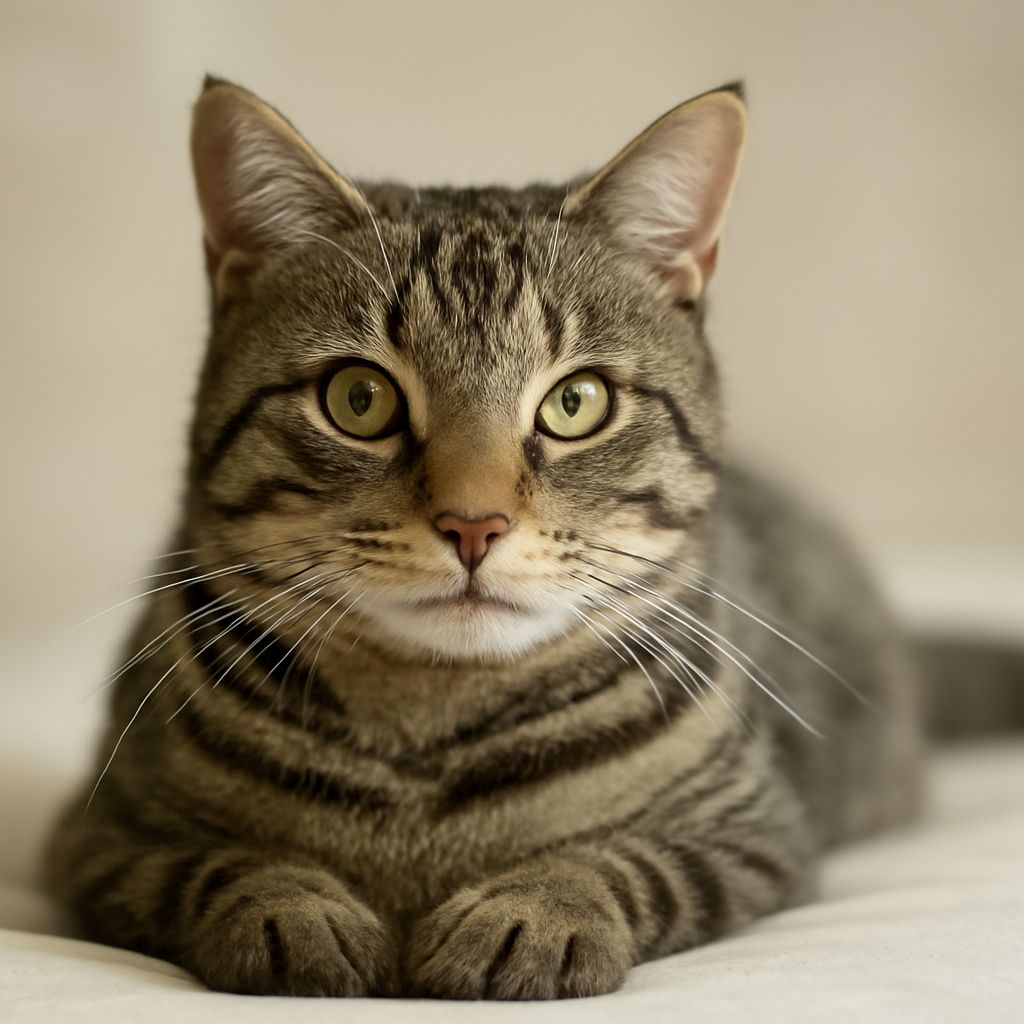
Imagine walking into a cozy room, the warmth enveloping you like a soft blanket. As you settle into your favorite chair, a mackerel tabby cat gracefully leaps onto your lap. Its distinct markings—those classic striped patterns—are mesmerizing. You gently stroke its head, and your fingers trace the unique ‘M’ marking etched onto its forehead. It’s a signature characteristic of the tabby cat M pattern, cherished by feline enthusiasts worldwide. You realize that this mackerel cat, with its charming appearance and gentle nature, is not just a pet but a fascinating companion.
Introduction to Mackerel Tabby Cats
Mackerel tabby cats are renowned for their distinctive markings that set them apart in the world of feline breeds. Known for their ‘M’ pattern prominently displayed on their foreheads, these cats capture the hearts of many with their striking appearance and delightful personalities. Mackerel tabbies are characterized by narrow, parallel stripes that run vertically along their bodies, reminiscent of fish bones, hence the name ‘mackerel.’ This pattern is one of the most common among tabby cats, adding to their widespread popularity.
Characteristics of Mackerel Cats
The mackerel tabby exudes a unique charm that goes beyond its physical markings. These cats often have a sleek, muscular build that complements their active and playful nature. While their coat is celebrated for the tabby cat M pattern, their personalities are equally captivating. Mackerel tabbies are typically friendly, sociable, and known for their intelligence. Their curiosity leads them to explore their environments enthusiastically, making them excellent companions for households that enjoy interactive and engaging pets.
The History Behind the ‘M’ Marking
The ‘M’ marking on a tabby cat’s forehead is steeped in myth and legend. Many cultures have tales that attempt to explain this fascinating feature. One popular story suggests that the marking was bestowed upon tabby cats by a divine entity, granting them a special status among feline breeds. Historically, tabby cats have been depicted in art and literature, their unique patterns celebrated across various cultures. While the scientific explanation ties back to genetics and the distribution of pigments, the allure of these tales adds a mystical touch to the mackerel cat’s persona.
Pattern Variations in Tabby Cats
Though mackerel tabby cats are known primarily for their striped patterns, tabby cats, in general, boast a spectrum of coat variations. Besides the mackerel pattern, other tabby patterns include classic, spotted, and ticked. Each pattern offers a unique aesthetic appeal, with classic tabbies displaying bold swirls, spotted tabbies showcasing dots, and ticked tabbies appearing almost solid-colored due to their agouti hairs. These variations are a testament to the genetic diversity within the tabby family, making each cat’s appearance uniquely beautiful.
Caring for Your Mackerel Tabby Cat
To ensure your mackerel tabby cat remains healthy and happy, regular care and attention are essential. Grooming is relatively straightforward due to their short to medium-length coats but should include weekly brushing to minimize shedding and keep their fur looking its best. Nutrition plays a crucial role in their well-being; a balanced diet rich in proteins and vitamins will support their active lifestyle and maintain their coat’s luster.
Creating an enriching environment is vital for mackerel cats, given their playful and curious nature. Interactive toys and play sessions help stimulate their minds and fulfill their need for exploration. Regular vet check-ups are crucial to monitor their health, ensuring they remain free from common feline ailments. Providing a loving and attentive home will allow your mackerel tabby to thrive both physically and emotionally.
Safety recap: When caring for your mackerel tabby, remember that regular grooming and a balanced diet are key to maintaining their health. Ensure you provide plenty of stimulation to keep their curious minds engaged while monitoring their well-being through routine veterinary care.