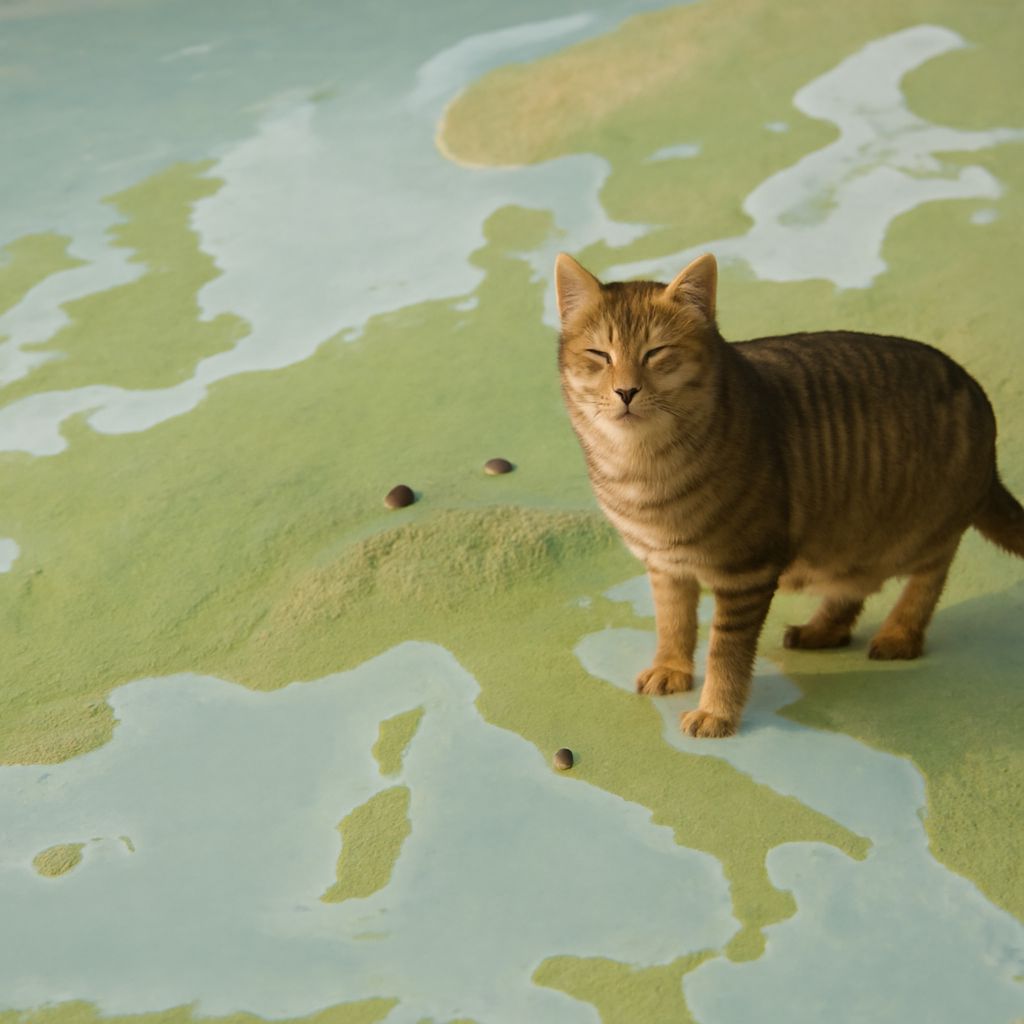
Imagine you’re perched comfortably on your couch, a warm mug in hand, as your cat curls up beside you. As they purr serenely, you might wonder, “Where did cats originate from?” and “How did cats become domesticated?” These questions can lead you on an intriguing journey through time, exploring how these independent creatures transitioned from wild hunters to beloved companions. Cats are fascinating animals, embodying a blend of wild instincts and domesticated charm, and understanding their history provides insight into why they behave the way they do today.
The Origins of Cats in the Wild
Cats are believed to have originated from the wild felines that roamed the Earth millions of years ago. The lineage of cats is traced back to Proailurus, the first true cat, which appeared around 30 million years ago in Eurasia. These ancient creatures possessed the instincts and senses that enabled them to thrive in various environments. Evolution led to the emergence of the Felidae family, which includes lions, tigers, and leopards. Over time, these wild animals adapted to different habitats, developing unique traits suited to their surroundings.
How Did Cats Become Domesticated
Domestication of cats is a relatively recent phenomenon compared to other animals like dogs. Initially, cats were not purposefully domesticated; instead, they chose to live alongside humans. This symbiotic relationship began around 9,000 years ago in the Fertile Crescent region when early agricultural societies emerged. As humans stored surplus grain, rodents were attracted to these settlements. Wild cats followed the vermin, benefiting from the abundance of prey. This mutual advantage laid the foundation for the domestication process.
The Process of Cat Domestication
The process of domestication was gradual and largely driven by the cats themselves. Unlike dogs, which were actively bred for specific traits, cats retained many of their wild characteristics. Over generations, cats that were less fearful of humans and more sociable began to thrive in human environments. This natural selection led to the formation of the domestic cat. While domesticated cats have become more accustomed to human presence, they still exhibit many behaviors of their wild ancestors, such as hunting and territorial marking.
The First Domesticated Cat: A Historical Perspective
The first evidence of cat domestication is found in Cyprus, where a cat was buried alongside a human approximately 9,500 years ago. This archaeological discovery suggests that cats were well-regarded and possibly considered companions even in ancient times. As trade routes expanded, cats traveled with humans, spreading to different cultures. Egyptians revered them, often depicting them in art and associating them with deities. This cultural acceptance further solidified their place in human society.
Impact of Domestication on Cat Behavior
Domestication has influenced cat behavior in several ways, although they have retained many of their natural instincts. Modern cats still possess sharp hunting skills and are adept climbers and jumpers, reminiscent of their wild ancestors. Their independent nature and curious disposition reflect their evolutionary background. Domesticated cats have adapted to living in homes, yet they often exhibit behaviors like kneading or purring, which are rooted in their instinctual communication. Understanding this blend of wild and domesticated traits allows cat owners to appreciate the complexity of their feline friends.
Bottom line: The journey of cats from wild animals to domesticated companions is a story of mutual benefit and natural adaptation. While they may enjoy the comforts of modern life, their instincts and senses remain deeply connected to their origins, making them unique and fascinating pets.