Imagine coming home after a long day, eager to spend some quality time with your feline companion. As you settle in, you notice your cat is unusually restless, constantly licking one of its paws. You take a closer look and spot an ingrown cat claw causing visible discomfort. Understanding the causes, symptoms, and treatment options for cat ingrown nails can help you alleviate your pet’s pain and prevent future occurrences.
What Is a Cat Ingrown Nail?
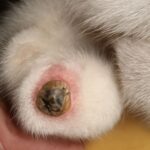
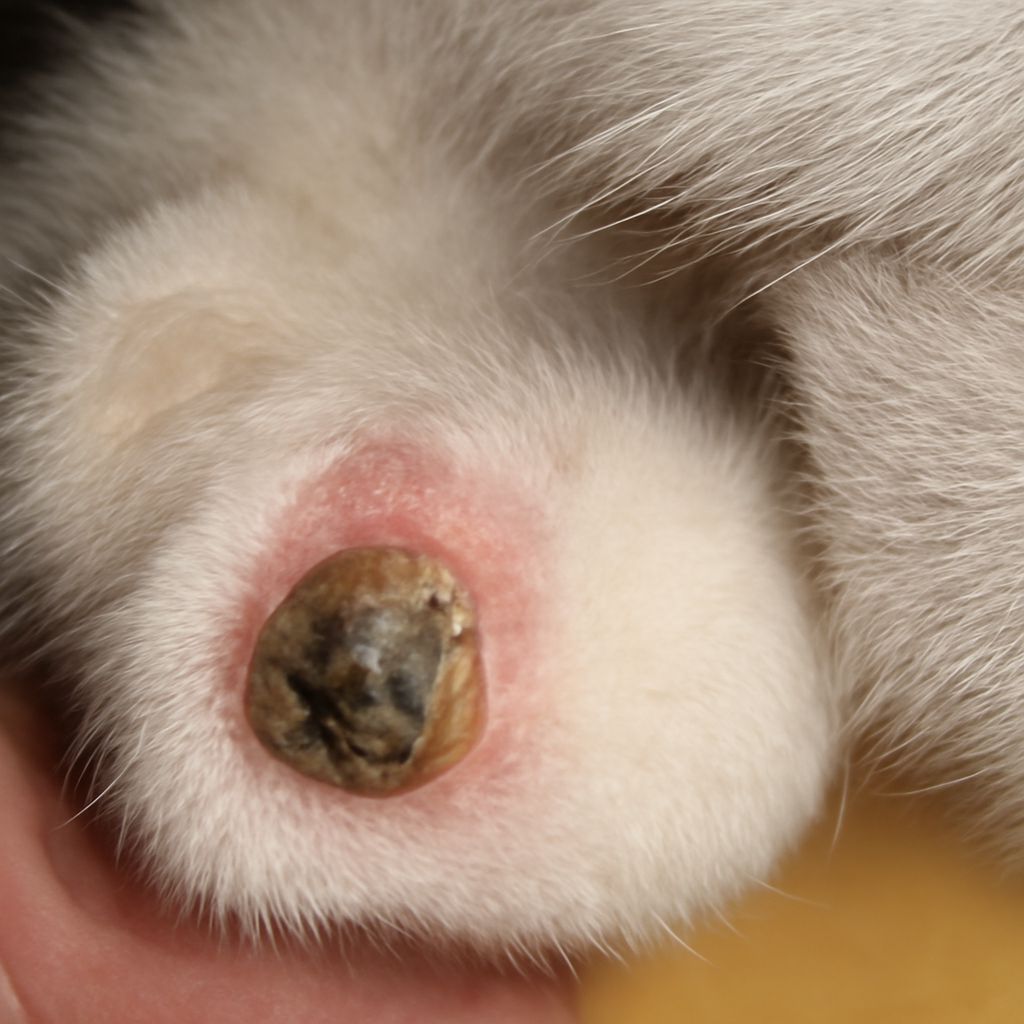
An ingrown nail in cats occurs when a claw grows into the surrounding skin, often leading to pain and infection. Unlike humans, who cut their nails to prevent them from growing too long, cats naturally wear down their claws through activities such as scratching. However, when this natural process is disrupted, a cat’s claw may curl back and penetrate the paw pad.
Ingrown claws are more common in older or less active cats. If left untreated, these ingrown nails can cause significant discomfort and even lead to serious infections. Recognizing the issue early is essential for maintaining your cat’s overall health and well-being.
Causes of Ingrown Cat Claws
Several factors contribute to the development of ingrown claws in cats. One of the primary causes is a lack of regular claw maintenance, which can occur in cats that are not provided with adequate scratching surfaces. Declawing or partial nail removal can also lead to abnormal claw regrowth, increasing the likelihood of ingrown nails.
Additionally, certain medical conditions, such as arthritis, may prevent a cat from engaging in activities that naturally wear down their claws, leading to overgrowth. It’s crucial to provide your cat with both the opportunity and the means to maintain healthy claws.
Symptoms to Watch For
Being vigilant about the signs of an ingrown claw can help you address the problem before it worsens. Common symptoms include limping, excessive licking of the paw, and visible swelling or redness around the nail. You might also notice a foul smell emanating from the site, which can indicate an infection.
If your cat appears to be in pain or is unusually sensitive when you touch its paws, it may be suffering from an ingrown claw. Regularly inspecting your cat’s paws can help you catch any issues early, ensuring timely treatment.
Treatment Options for Cat Ingrown Nails
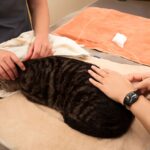
Once you’ve identified a potential ingrown claw, it’s important to consult a veterinarian for proper diagnosis and treatment. A veterinary professional may trim the ingrown nail and clean the affected area to prevent infection. In more severe cases, antibiotics might be prescribed to combat any existing infections.
Home care is also crucial in the healing process. You may need to keep your cat’s paw clean and bandaged, depending on the veterinarian’s advice. Ensuring your feline friend receives the recommended follow-up care will help promote a swift recovery.
Preventing Future Ingrown Cat Claws
Preventing ingrown claws involves regular maintenance and providing your cat with suitable scratching options. Ensure your cat has access to scratching posts and pads to facilitate natural claw wear. Regularly trimming your cat’s nails, especially if they are not active scratchers, can help prevent overgrowth.
Monitoring your cat’s health and activity level also plays a role in prevention. Encouraging play and movement ensures that their claws are naturally filed down. Additionally, routine paw checks can catch any early signs of ingrown nails, allowing for prompt intervention.
Next steps: To keep your cat’s claws in top shape, establish a routine of regular claw inspections and maintenance. Encourage natural scratching behaviors by providing diverse surfaces. Should you suspect any issues, seek veterinary advice promptly to maintain your cat’s comfort and health.