Imagine you’re at home, observing your beloved cat, and you notice she seems more lethargic than usual. You’re aware that hydration is vital for her health, especially if she’s dealing with a chronic condition like kidney disease. Your veterinarian has suggested administering subcutaneous fluids as a means to support her well-being. You’re filled with questions about how to give subcutaneous fluids to a cat safely and effectively. This guide aims to provide you with the confidence and understanding to ensure your feline friend remains hydrated and healthy.
Understanding Subcutaneous Fluids for Cats
Subcutaneous fluids are a way to administer fluids directly under the skin, allowing for slow absorption into the bloodstream. This method is often recommended for cats with chronic kidney disease or other conditions that lead to dehydration. Administering subcutaneous fluid therapy can be an essential part of managing your cat’s health at home. By understanding how these fluids work, you can play a crucial role in your cat’s care.
Benefits of Subcutaneous Fluids
Providing subcutaneous fluids can help manage dehydration, promote kidney function, and improve overall health in cats with certain medical conditions. The benefits of administering these fluids include maintaining hydration levels, which can support organ function and enhance quality of life. Cats receiving subcutaneous fluids often experience increased energy and appetite, as hydration helps in efficient nutrient absorption and waste elimination.
How to Give Subcutaneous Fluids to a Cat
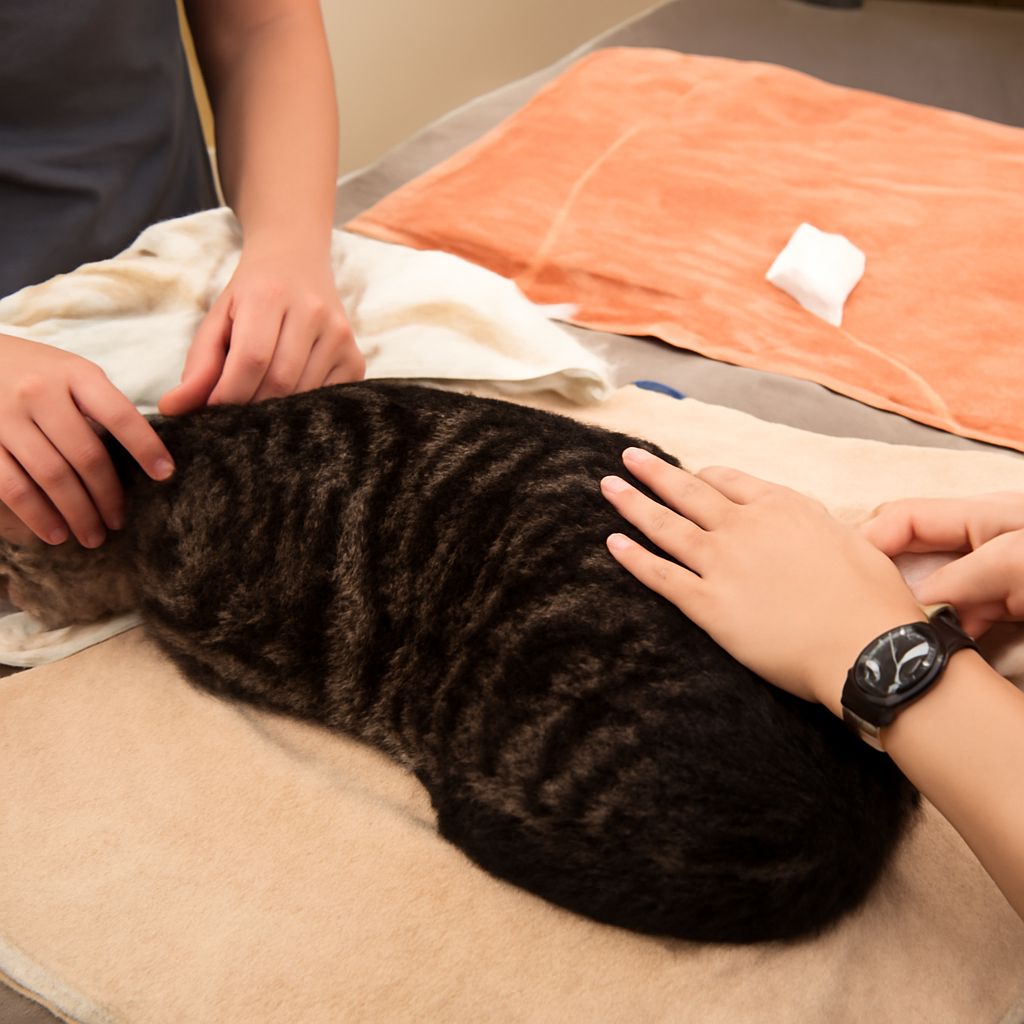
To give subcutaneous fluids to your cat, begin by selecting a quiet, calm environment. Gather all necessary supplies, which typically include a fluid bag, needle, and administration set. Consult your veterinarian to ensure you understand the correct procedure and fluid volume required for your cat. Start by hanging the fluid bag above your cat’s level, then attach the administration set. Insert the needle just under the skin, usually at the loose skin between the shoulders. Allow the fluid to flow slowly into the subcutaneous space, ensuring your cat remains calm and comfortable throughout the process.
Precautions and Tips for Administering Fluids
When administering fluids, it is important to follow your veterinarian’s instructions carefully. Use a new needle each time to maintain hygiene and reduce the risk of infection. Be gentle and patient as you guide the needle under your cat’s skin. Monitor your cat for signs of discomfort or distress, and adjust the flow rate accordingly. It may take a few tries to become confident in the procedure, but practice and patience are key to successful administration.
Monitoring Your Cat After Administration
After administering subcutaneous fluids, observe your cat for any adverse reactions such as swelling at the injection site or unusual behavior. Ensure your cat is comfortable and provide plenty of fresh water to encourage hydration. Regularly check in with your veterinarian to assess your cat’s response to the treatment and make any necessary adjustments. Monitoring your cat’s health and hydration status is crucial in providing the best care possible.
Next steps: As you become more comfortable with the process, make it a routine part of your cat’s care. Keep track of fluid administration dates and any observations to discuss with your veterinarian. With practice, administering subcutaneous fluids will become a smooth and manageable task, contributing significantly to your cat’s health and well-being.