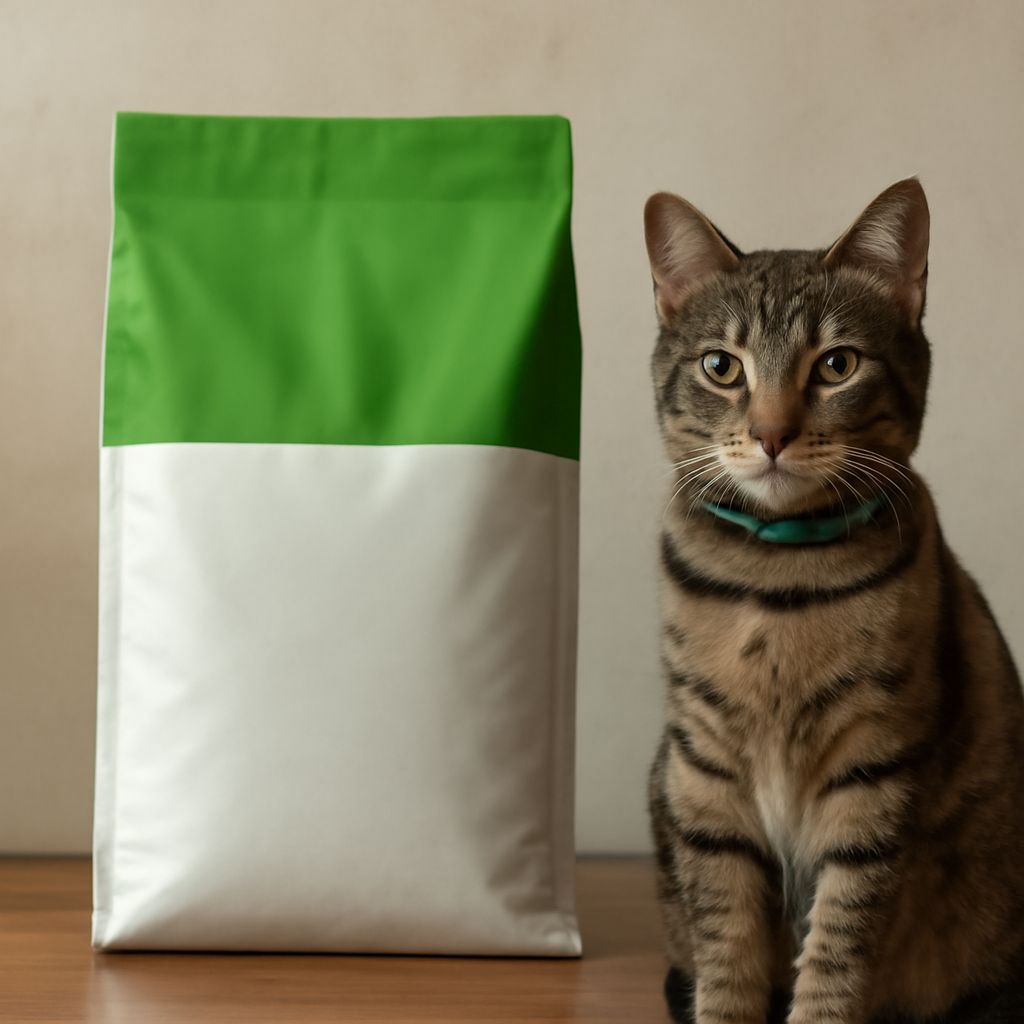
Does a cat with hyperthyroidism need food with no iodine at all? A veterinary iodine-restricted food contains a controlled, reduced amount of the mineral; it is not necessarily iodine-free. Whether this approach fits your cat depends on their health, what else they eat and the feeding arrangements in your home. Your veterinarian can help you weigh those details when discussing nutrition for a hyperthyroid cat.
Cat Hyperthyroidism Diet: Why Iodine Matters
The thyroid gland uses iodine to make thyroid hormones. In hyperthyroidism, the gland produces too much of those hormones, which affect many organs and speed up the body’s metabolism. Limiting dietary iodine can reduce the material available for hormone production. It is one possible treatment approach, alongside medication, radioactive iodine and surgery; the choice depends on the individual cat.
A search for iodine free cat food can make the goal sound like eliminating the mineral entirely. The veterinary food used for this purpose instead has a carefully controlled, low iodine content. VCA Animal Hospitals explicitly distinguishes its iodine-limited prescription diet from an iodine-free one. The difference matters because the treatment is based on a formulated level across the whole diet, not on finding an ingredient that contains none.
Nor does a lower-iodine label by itself tell you whether a food was formulated and tested for managing this condition. Ask your veterinarian about the specific product, its intended use and how it fits your cat’s medical history. Cornell University notes that dietary restriction is an option for some cats and that questions remain about its long-term effects.
What counts as the whole diet?
For the prescribed iodine-restricted approach, the food must be the cat’s only food to work as intended. That includes the little extras that are easy to overlook: treats, table scraps, another pet’s leftovers and food caught outdoors. Cornell’s veterinary hospital guidance also includes hunting and supplements among the things to account for.
Make a list of everything your cat normally eats or licks during a day. Include food used to give pills, flavored supplements and the reward someone else in the family offers at bedtime. Show the list to your veterinarian before changing routines. If your cat needs medicine hidden in food, ask how to give it within the agreed plan rather than stopping a medication or improvising a substitute.
A cat hyperthyroidism diet also has to work at home. In a multi-cat household, one cat may visit another’s bowl as soon as you leave the room. Think through where each animal eats, whether bowls are left out, and who clears away leftovers. Describe your setup to the veterinary team; they can help you consider a feeding arrangement that fits all the cats rather than assuming the right food will stay in the right bowl.
Comparing products and labels
When comparing low iodine cat food brands, bring the exact product name and formulation to your appointment. Wet and dry versions, recipes with similar names, and ordinary foods marketed for sensitive cats may not serve the same purpose. Ask whether the food is intended as a complete diet for this condition, how its iodine content is controlled and how the manufacturer supports that intended use.
A list of brands offering lower-iodine cat foods is a starting point for a conversation, not enough information to choose treatment. Packaging may tell you ingredients and a nutritional adequacy statement, while the details needed for a therapeutic decision may require information from the manufacturer or veterinary team. Avoid trying to create a no-iodine meal by removing familiar ingredients: the finished diet needs to meet the cat’s nutritional needs as well as the intended iodine level.
Your cat’s weight, appetite and other illnesses matter. Hyperthyroidism can occur alongside kidney or heart problems, and a cat who will not eat a proposed food needs a different discussion from one who readily accepts it. Tell the vet about changes in appetite, drinking, weight, vomiting or behavior, and ask how quickly to report a refusal to eat. The team can help plan a transition and determine what to do if it does not work.
Follow-up makes the plan meaningful
The aim is not simply to put low-iodine food in a bowl. Your veterinarian needs to see how the cat responds over time. Follow-up may include weight checks, thyroid hormone testing and assessment of kidney function, with timing tailored to the cat and treatment. Keep a record of actual meals, any access to other food and changes you notice; this context helps the team interpret the results.
Before deciding whether a food without added iodine or another formulation is suitable, take its label and your feeding notes to the appointment. Ask:
- Is an iodine-restricted veterinary diet appropriate given my cat’s thyroid results, kidney function, weight and other conditions?
- What iodine level and nutritional information should we look for in this specific food?
- How would we introduce it, and what should we do if my cat refuses it or gets into another pet’s food?
- How can we handle treats, supplements and food used to give medication?
- Which changes and test results will we monitor, and when should we schedule follow-up?