
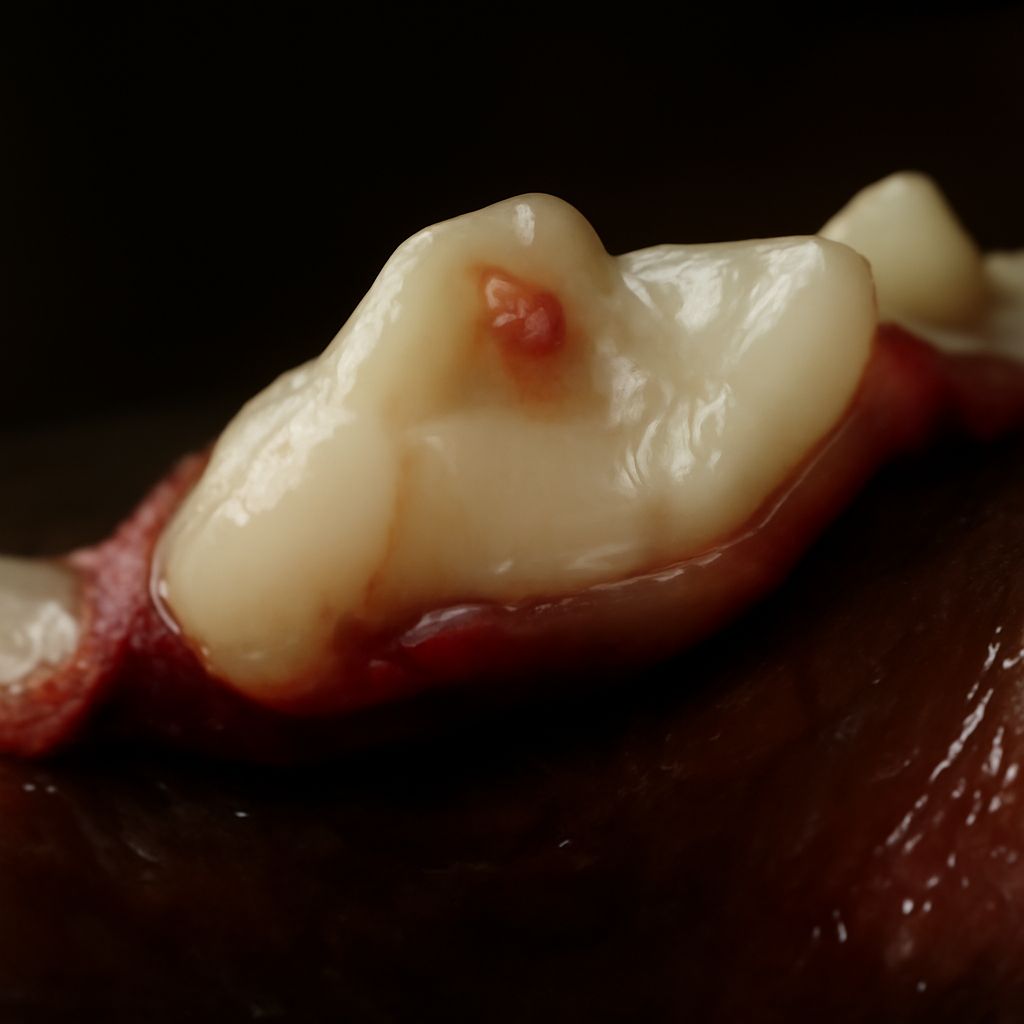
Imagine you’re gently playing with your feline friend when you notice something unusual: your cat has a broken tooth. Panic might set in as you wonder what could have caused this and how serious it might be. A chipped tooth in cats can lead to discomfort and further health issues, making it essential to understand the situation and take appropriate action. By recognizing the symptoms and exploring treatment options, you can ensure your cat’s dental health is well-taken care of.
Understanding a Cat Broken Tooth
A broken tooth in cats is not uncommon, but it can lead to significant discomfort and complications if not addressed promptly. Cat teeth are essential for eating and playing, and any damage can interfere with these activities. A broken or chipped tooth can expose sensitive inner layers, leading to pain and potential infections. It’s crucial to assess the damage thoroughly, as this will guide you on the next steps to take.
Common Causes of a Cat Chipped Tooth
Several factors can contribute to a cat developing a chipped tooth. One common cause is trauma, which can occur if a cat falls or runs into something hard. Additionally, biting on overly hard objects, such as certain toys or bones, can lead to fractures. Cats with underlying dental issues like resorptive lesions might also experience weakened teeth, making them more susceptible to chipping.
Diet can play a role as well. Poor nutrition may weaken the teeth, increasing the likelihood of a chip. Regular dental check-ups can help catch any underlying issues early, potentially preventing breakage.
Symptoms to Watch For
If your cat has a broken tooth, you might notice several telltale signs. One of the first indicators is a change in eating habits. Cats may refuse to eat or only chew on one side of their mouth. Drooling, particularly if it is tinged with blood, can also be a symptom. You might observe your cat pawing at its mouth or expressing reluctance to play with toys.
Bad breath is another symptom that could indicate a problem with your cat’s teeth. An open wound or visible crack in a tooth should prompt immediate veterinary attention to prevent further complications.
Treatment Options for a Cat Broken Tooth
Treating a cat’s broken tooth depends on the severity and location of the fracture. In minor cases, your vet may smooth the rough edges and monitor for changes. However, if the pulp or root is exposed, more extensive treatment will be necessary. This could involve a root canal or extraction to prevent infection and alleviate pain.
Ensuring your cat receives proper pain management and antibiotics if needed is crucial. Collaboration with your veterinarian will help tailor a treatment plan that suits your cat’s specific needs, promoting a swift recovery.
Preventive Measures for Cat Dental Health
Prevention is always better than cure, and maintaining your cat’s dental health is no exception. Regular brushing with cat-safe toothpaste can help prevent the buildup of plaque and tartar, reducing the risk of tooth damage. Providing dental toys and a well-balanced diet can also strengthen your cat’s teeth.
Annual dental check-ups with your veterinarian will ensure any potential issues are caught early. Avoid giving hard items that could fracture teeth, and monitor your cat’s chewing habits to identify any unusual behaviors early.
By taking these preventive measures, you can help your cat maintain strong, healthy teeth and minimize the risk of encountering a broken tooth.
Safety Recap: Always use vet-approved tools for dental care to ensure your cat’s safety. Avoid harsh or human products, as they can cause more harm than good.