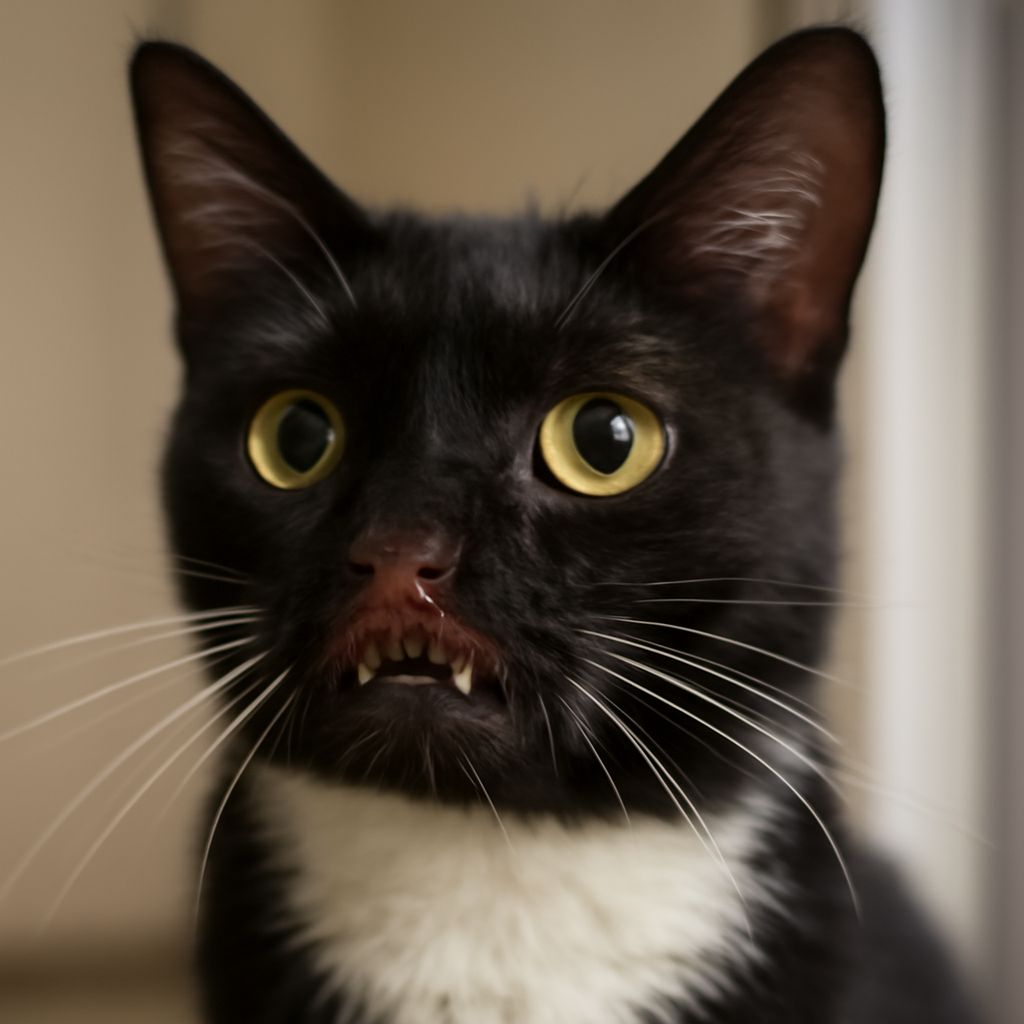
Imagine you’re stroking your cat’s silky fur when you suddenly notice a small sore on their lip. Alarmed, you search online and discover the term rodent ulcer cat. It sounds alarming, and you wonder how it connects to eosinophilic granuloma cat lip conditions. Understanding these terms can help you manage your pet’s health better.
What Is a Rodent Ulcer in Cats?
A rodent ulcer in cats, also known as an eosinophilic granuloma, is a common inflammatory condition that affects the lips and skin of felines. Despite its name, it has nothing to do with rodents. Instead, it’s a type of ulceration that appears as a persistent sore or lesion, primarily on a cat’s upper lip. This condition is part of the eosinophilic granuloma complex, a group of skin disorders that includes other lesions as well.
Causes of Eosinophilic Granuloma in Cat Lip
The exact cause of eosinophilic granuloma in a cat’s lip remains uncertain. However, several factors may contribute to these lesions. Allergic reactions are commonly implicated, whether from food, environmental allergens, or flea bites. Immune system dysfunction can also play a role, with the body’s defenses mistakenly targeting its own tissues. Genetic predispositions may make some cats more susceptible, particularly certain breeds known for immune sensitivities.
Symptoms to Look Out For
Recognizing the symptoms early can lead to more effective management. A rodent ulcer typically appears as a raised, reddish-brown lesion on the lip. In some cases, it can be mistaken for an infection or injury, but its persistence is a key indicator. Other symptoms might include swelling, drooling, or discomfort when eating. While these signs often appear on the lips, they can also manifest on the tongue or other areas of the body.
Diagnosis and Treatment Options
Diagnosis begins with a thorough examination by a veterinarian, who may perform a biopsy to confirm the presence of eosinophilic granuloma. Blood tests might also be conducted to rule out allergies or other underlying issues. Once diagnosed, treatment varies based on severity. Corticosteroids are often prescribed to reduce inflammation and immune response. In some cases, antibiotics might be necessary if secondary infections are present. Dietary changes can also be helpful, especially if a food allergy is suspected.
Preventive Measures and Care
Preventing rodent ulcers centers around managing known triggers. Regular flea control is essential, as flea bites can exacerbate the condition. Monitoring your cat’s diet and identifying potential allergens can also help. Providing a stress-free environment supports their immune health, as stress can worsen skin issues. Regular veterinary check-ups are crucial for early detection and management of any emerging symptoms.
Caring for a cat with a rodent ulcer involves a comprehensive approach, including medical treatment and lifestyle adjustments. By understanding the connection between rodent ulcers and eosinophilic granuloma, you can ensure your feline companion remains healthy and comfortable.