
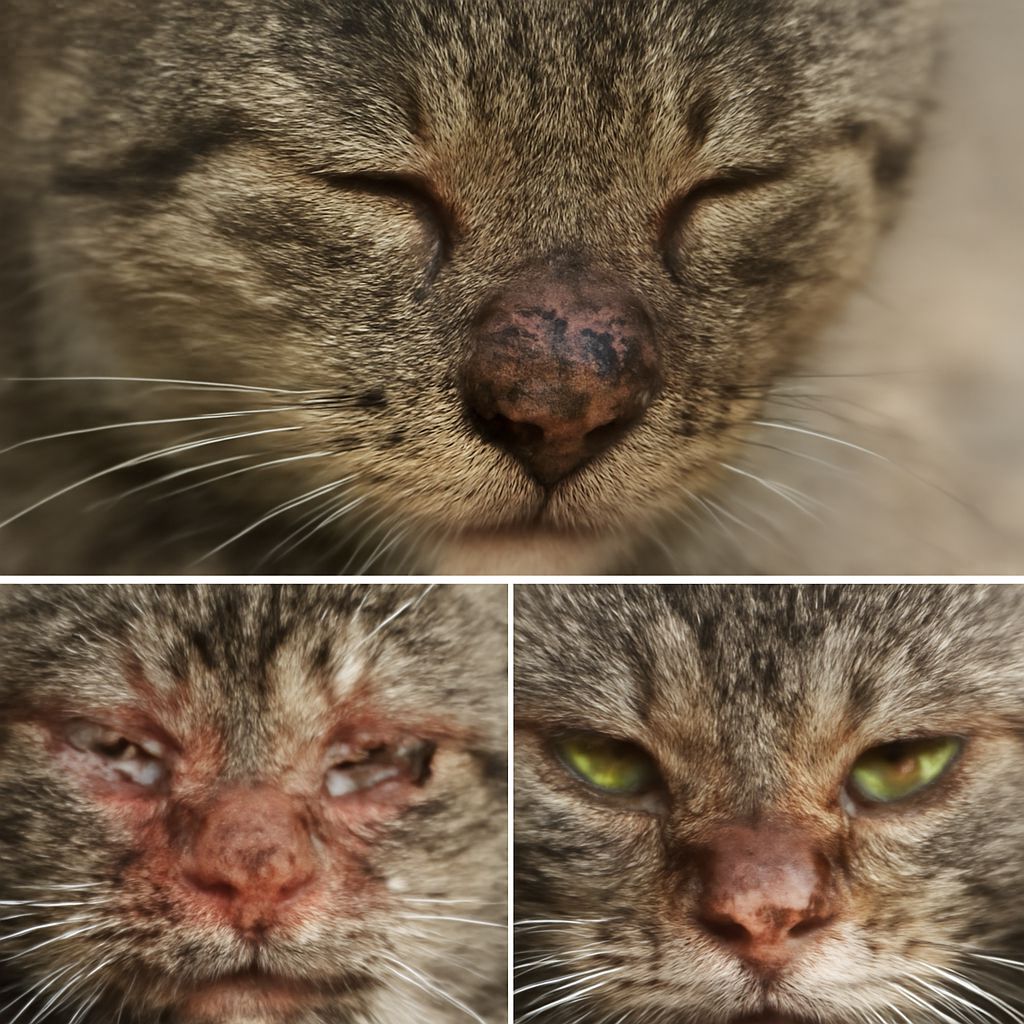
Imagine you’re relaxing at home with your beloved feline companion, when suddenly, you notice them sneezing and their eyes watering more than usual. You recall hearing about how cats get herpes, but you never thought it could happen to your pet. As you search for answers, you’re filled with concern. Could these be cat herpes symptoms? Understanding the herpes virus in cats is crucial for any pet owner.
Understanding Herpes Virus in Cats
The herpes virus in cats, known scientifically as Feline Herpesvirus (FHV), is a common and contagious virus that affects the respiratory system. It primarily targets the eyes, nose, and throat, leading to symptoms that can resemble a common cold. Most cats are exposed to this virus at some point in their lives, often during their early months.
This virus is particularly prevalent in environments where many cats are housed together, such as shelters or breeding facilities. Once a cat is infected, the virus can remain dormant in the body, reactivating during stressful situations or when the cat’s immune system is compromised.
How Cats Get Herpes
Transmission of the herpes virus occurs through direct contact with an infected cat. This includes sharing food and water bowls, grooming each other, or even close physical contact. Pregnant cats can also pass the virus to their kittens, making young cats particularly susceptible.
Understanding how cats get herpes is key to preventing transmission. The virus can survive in the environment for a short period, meaning that indirect contact through contaminated surfaces can also contribute to spreading the disease. However, this is less common compared to direct contact.
Recognizing Cat Herpes Symptoms
Recognizing the symptoms of cat herpes is essential for timely intervention. Common signs include sneezing, nasal discharge, and conjunctivitis, which is an inflammation of the eye membranes. You may also notice your cat having difficulty breathing or a decrease in appetite due to mouth ulcers.
Feline herpes can resemble other feline viral respiratory (FVR) diseases, so observing the symptoms closely is important. If you see any signs of discomfort or unusual behavior, consulting with a veterinarian is crucial to determine if these are truly FVR cats symptoms or another health issue.
Treatment Options for FVR in Cats
While there’s no cure for herpes virus in cats, several treatment options can help manage the symptoms and improve your cat’s quality of life. Veterinarians often recommend antiviral medications that can reduce the severity and frequency of outbreaks.
Supportive care, such as keeping the eyes and nose clear of discharge, ensuring proper hydration, and providing a nutritious diet, is vital. In some cases, amino acid supplements like L-lysine are suggested to help suppress the virus’s activity. Regular check-ups and following the vet’s advice can make a significant difference in managing the disease.
Preventing the Spread of Herpes Virus in Cats
Preventing the spread of the herpes virus involves several proactive measures. Isolating infected cats from healthy ones is critical, especially in multi-cat households. Proper hygiene, such as regularly cleaning feeding areas and litter boxes, can minimize the risk of transmission.
Vaccinations play a role in reducing the severity of symptoms and preventing outbreaks. While vaccines do not provide complete immunity, they are effective in lowering the chances of severe infections. Ensuring your cat’s overall health through regular vet visits and stress reduction techniques can also help prevent flare-ups.
Understanding the intricacies of feline herpes and taking preventive steps can ensure your pet remains happy and healthy. Although dealing with cat herpes symptoms can be worrisome, awareness and the right care can lead to better management and a more comfortable life for your furry friend.