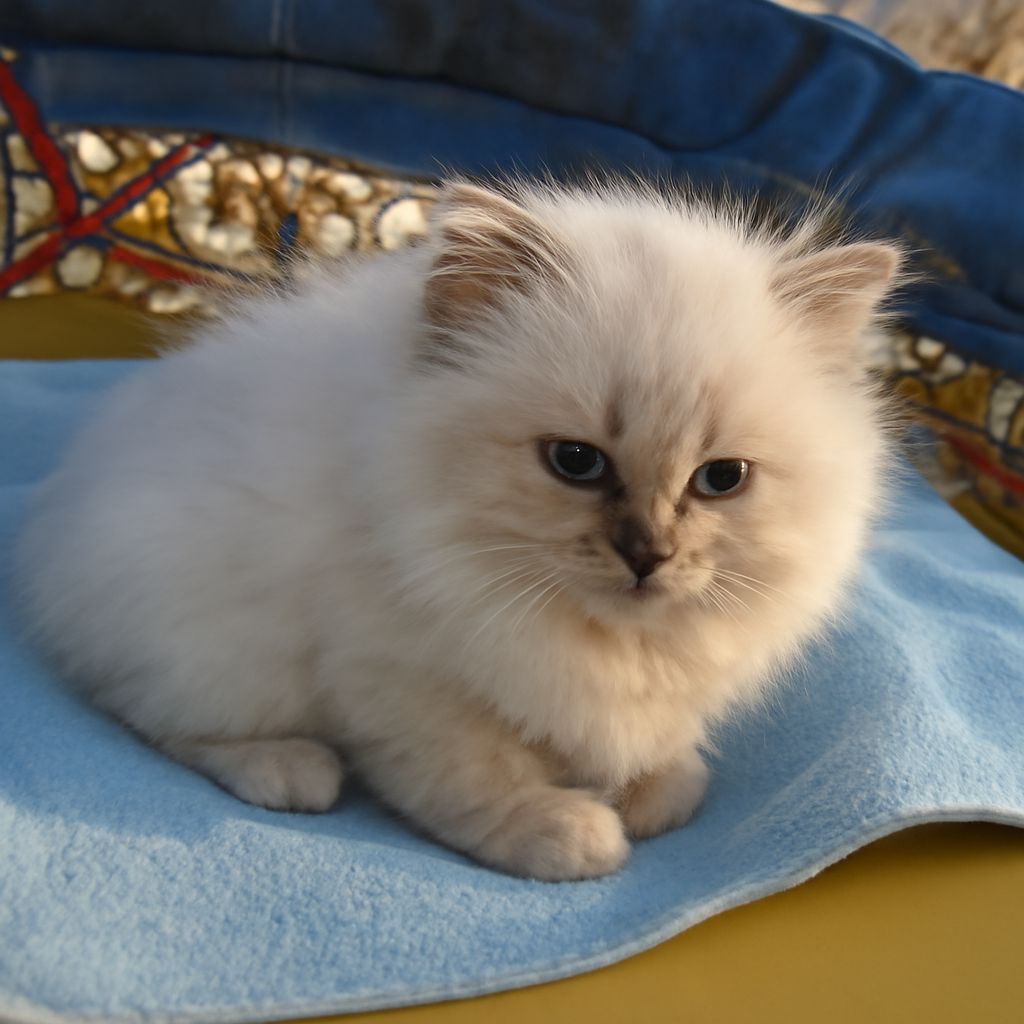
Imagine you’re sitting in a cozy room, enjoying the company of a beautiful Siberian cat. Despite knowing about your allergies, you feel curious if the Siberian cat hypoallergenic reputation holds any truth. This breed’s allure continues to fascinate potential cat owners like yourself. But are Siberian cats truly the solution for those struggling with allergies?
Understanding Siberian Cat Hypoallergenic Claims
The Siberian cat is often touted as hypoallergenic, which raises the hopes of many allergy sufferers. The idea stems from reports suggesting these cats produce lower amounts of the Fel d 1 protein—a common allergen found in cats. However, the term “hypoallergenic” does not mean allergen-free; it merely indicates a reduced potential to trigger allergic reactions.
While some people may experience fewer allergy symptoms with a Siberian, results can vary. It’s important to spend time with the breed before making a decision, as individual reactions to allergens differ greatly.
What Causes Siberian Cat Allergies
Allergies to cats, including Siberians, are primarily caused by proteins found in their skin cells, urine, and saliva. The main culprit, Fel d 1, is a protein that sticks to cat fur and skin, becoming airborne and triggering allergy symptoms in sensitive individuals.
Other factors, such as dander and fur shedding, can exacerbate allergic reactions. Although Siberians may produce less of this protein, they still shed fur and dander, which can carry allergens throughout your home.
Managing Siberian Cat Allergies
If you suffer from allergies but are drawn to owning a Siberian, there are strategies to manage your symptoms. Regular grooming is essential; brushing your Siberian cat can help reduce shedding and dander in your environment. It’s advisable to brush them at least twice a week.
Maintaining a clean home environment is crucial. Frequent vacuuming and using air purifiers can significantly reduce allergens. Additionally, washing your hands after touching your cat and keeping your cat out of certain areas like bedrooms can help minimize exposure.
Consulting an allergist for personalized advice and potential treatments can further assist in managing symptoms while enjoying the companionship of a Siberian cat.
Caring for a Siberian Cat
Siberian cats are known for their robust health and friendly nature. They require regular grooming sessions to keep their fur in top condition. A balanced diet and regular veterinary check-ups are key to maintaining their overall health.
These cats are active and enjoy engaging playtime. Providing them with toys and opportunities for exercise will keep them happy and healthy. Siberians also form strong bonds with their families, so be prepared for a loyal and affectionate companion.
Are Siberian Cats Right for Allergy Sufferers
Deciding if a Siberian cat is right for you involves weighing your allergy sensitivity against your desire to own this breed. While many find that they can live comfortably with a Siberian, others may still experience significant reactions.
- Spend time with Siberians before committing to ownership.
- Consider allergy testing to gauge your sensitivity to Fel d 1.
- Be realistic about the ongoing management of allergies in your home.
Ultimately, the decision should be based on your personal tolerance and willingness to implement management strategies.
Safety Recap: If you’re considering a Siberian cat despite allergies, prioritize regular grooming and home cleanliness. Consult an allergist to explore further options for managing your symptoms effectively.