
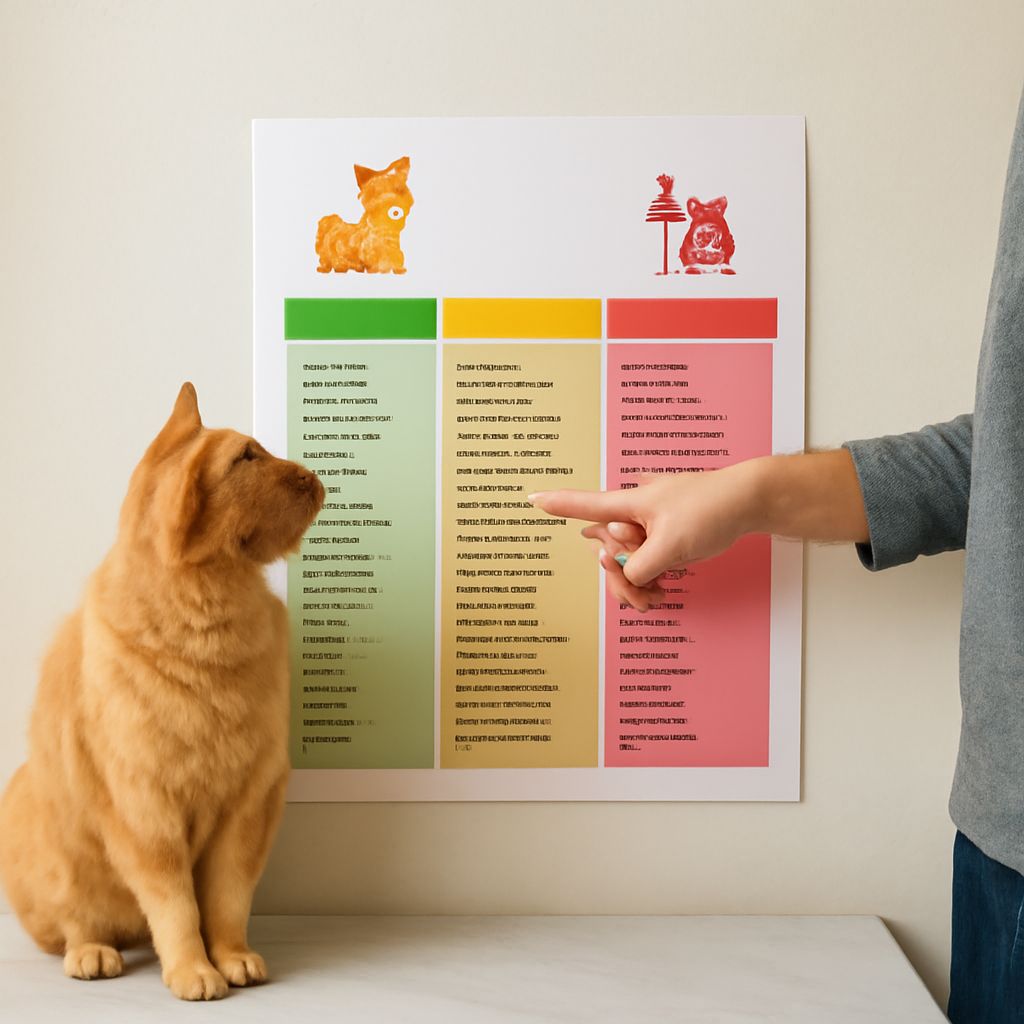
Imagine one evening you’re preparing dinner, and your curious cat leaps onto the counter, sniffing at the ingredients you’ve set aside. You pause, wondering if what you’re chopping is safe for your furry friend—after all, understanding what can’t cats eat could be the difference between a healthy pet and an emergency vet visit. With so many foods cats can’t eat, it’s easy to feel overwhelmed, but learning which items truly matter makes caring for your pet far simpler.
Whether you’re an experienced cat parent or new to feline nutrition, knowing exactly which human foods cats can’t eat is vital for your cat’s well-being. Exploring these dietary boundaries not only protects your pet but empowers you to create a healthier environment and makes everyday decisions less stressful. Let’s look closer at the essentials every cat guardian should know.
Understanding What Can’t Cats Eat: Why It Matters
Cats have unique nutritional requirements that differ significantly from humans and even other pets. While we often think of cats as independent and sometimes picky eaters, their digestive systems are quite sensitive. Foods that seem harmless or even healthy to us may be highly toxic to felines. This is why it’s crucial to recognize which foods you absolutely cannot offer your cat.
Many of the foods cats cannot eat contain compounds that their bodies either cannot metabolize or that build up to dangerous levels. For example, certain ingredients can disrupt organ function, cause gastrointestinal distress, or even lead to serious poisoning. The consequences range from mild digestive issues to life-threatening emergencies.
By understanding the basics of what cats can’t have, you’re taking an important step toward responsible pet care. This knowledge helps prevent accidental exposures and allows you to respond quickly and knowledgeably if a mishap occurs. Ultimately, it’s about supporting your companion’s long-term health through informed choices.
Common Human Foods Cats Can’t Eat
Several everyday groceries are among the top foods cats can’t eat. Chocolate, for instance, is toxic to cats due to compounds like theobromine and caffeine. Even small amounts can cause restlessness, rapid breathing, and in some cases, more severe reactions. Similarly, onions and garlic—whether raw, cooked, powdered, or in processed foods—are extremely dangerous for felines, as they can damage red blood cells and lead to anemia.
Dairy products may come as a surprise, since many people associate cats with milk. While cats may be attracted to dairy, most adult cats are actually lactose intolerant. Consuming milk, cheese, or ice cream can result in stomach upset, cramps, and diarrhea. Grapes and raisins are also hazardous; though the exact toxic agent isn’t fully understood, ingestion has been linked to kidney failure in some cats.
Other notable foods that cats cannot consume include caffeinated drinks, alcohol, fatty meats, and bones. While cats are obligate carnivores and need protein, fatty trimmings and cooked bones pose choking hazards or can splinter and cause internal damage. Awareness of these common risks is key to keeping your pet safe during meal preparation and family gatherings.
Hidden Dangers: Foods Cats Can’t Eat That May Surprise You
Some of the most dangerous foods cats can’t eat are those you might never suspect. For example, xylitol, a common sugar substitute found in sugar-free gum, baked goods, and some peanut butters, can cause a rapid insulin release and subsequent hypoglycemia, putting your pet in immediate danger. Other artificial sweeteners may also have negative effects.
Another lesser-known hazard is the avocado. While not all parts are equally toxic, the pit, skin, and leaves contain persin, a substance that can be harmful to cats in sufficient quantities. Additionally, raw eggs and raw fish should be avoided due to bacteria like salmonella and the risk of nutrient deficiencies caused by enzymes that interfere with vitamin absorption.
Even fruits and vegetables you’d consider healthy could pose risks. For instance, tomatoes (especially green, unripe ones) and certain varieties of mushrooms have compounds that are toxic to felines. When in doubt, it’s always best to research individual foods before offering them to your cat, no matter how benign they may seem.
What to Do If Your Cat Eats Something They Shouldn’t
If you suspect your cat has ingested any foods cats shouldn’t eat, immediate action is critical. First, remove the potential toxin from your cat’s environment to prevent further exposure. Take note of what and how much your pet consumed, as well as the approximate time of ingestion.
Do not attempt to induce vomiting without veterinary guidance—some substances can cause more harm if brought back up. Instead, contact your veterinarian or a pet poison hotline as quickly as possible. Providing them with detailed information will allow for quicker, more effective care. Symptoms such as vomiting, diarrhea, lethargy, or seizures require urgent attention.
Prompt response is key, as many toxins work rapidly. Early intervention can make a significant difference in the outcome and may even save your cat’s life. Keep your vet’s contact information easily accessible for these unexpected situations.
Keeping Your Cat Safe: Tips for Preventing Access to Unsafe Foods
Prevention is always easier than a cure when it comes to foods cats can’t eat. Start by keeping all dangerous foods—and any related waste—in secure, cat-proof containers or cabinets. Be mindful when cooking or entertaining guests, as dropped food scraps or unattended plates can be tempting for inquisitive felines.
Educate everyone in your household, including children and visitors, about what cats can and cannot ingest. Make it a habit to double-check ingredient lists before sharing any human food with your pet. If you enjoy baking or preparing meals together, establish clear rules about which foods are strictly off-limits.
Consider providing a variety of safe, species-appropriate treats to satisfy your cat’s curiosity. This not only prevents accidental poisonings but also enriches your pet’s environment in a positive way. When in doubt, stick to commercially prepared cat foods that are formulated to meet your cat’s unique dietary requirements.
Safety recap: Always be attentive when handling food around your cat, and regularly review which foods cats can’t eat. Careful storage, clear household communication, and prompt action in emergencies are your best defenses in supporting your cat’s optimal health and well-being.