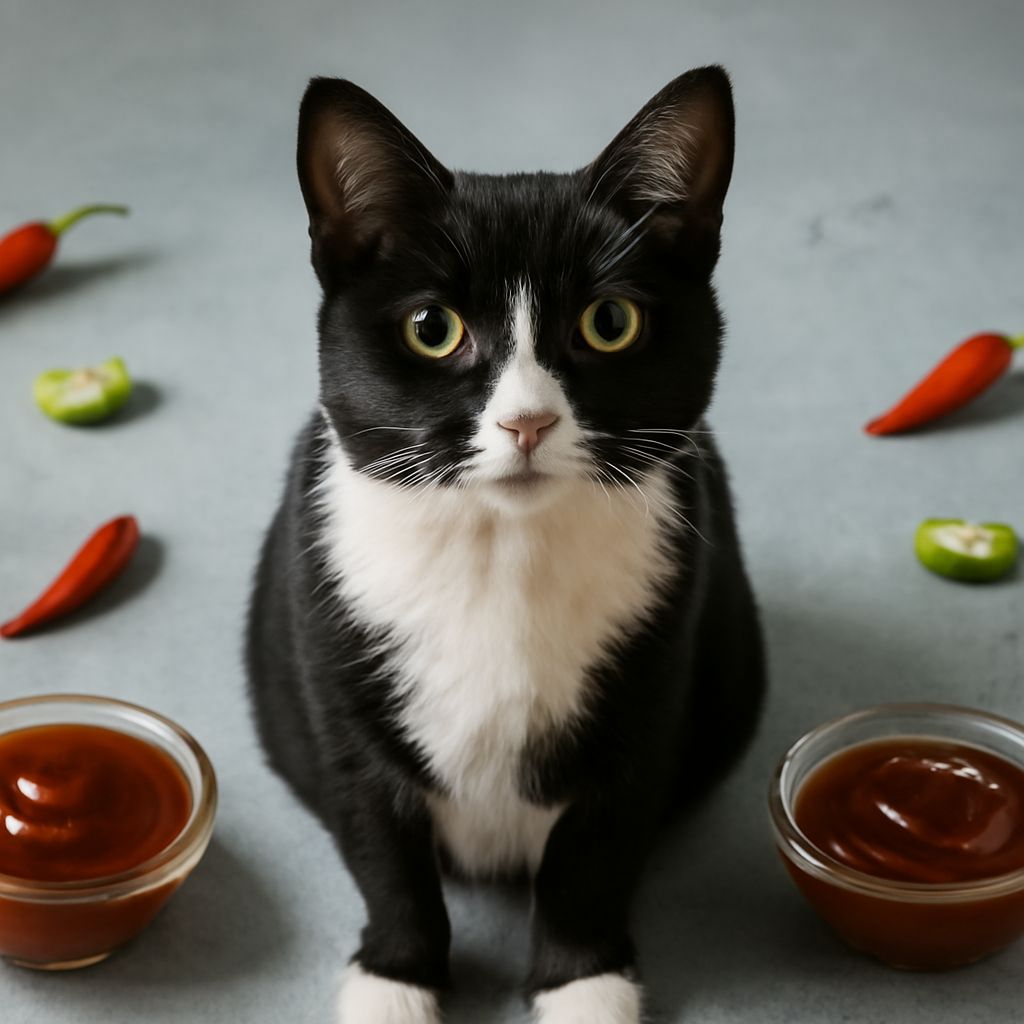
Imagine you’re preparing your favorite spicy dish in the kitchen, and your curious cat circles your feet, sniffing the air. You might wonder, can cats taste spicy foods the same way humans do? While sharing a meal with your feline friend can be tempting, pausing to consider what can cats taste is crucial for their health and safety. Before slipping a small bite under the table, it’s important to understand the risks of feeding cats human foods, especially the spicy varieties you enjoy.
Perhaps you’ve heard rumors that cats are immune to strong flavors, or maybe you’ve noticed your own pet turning away from hot peppers. Still, the question remains: can cats eat spicy food? This guide will walk you through what science says about a cat’s sense of taste, the potential effects of spicy ingredients, and safer alternatives for treating your companion.
Understanding Feline Taste Buds: What Can Cats Taste
Cats experience the world of flavor very differently than humans. While people have around 9,000 taste buds, our feline companions have a much simpler palate, equipped with roughly 470 taste buds. This limited number means they’re much less sensitive to a variety of tastes—including sweet and spicy notes—that we frequently enjoy in our meals.
So, what can cats taste? Research shows that felines are most attuned to detecting meaty, umami flavors, which aligns with their status as obligate carnivores. They can also discern bitter, sour, and salty tastes to a degree, but their enjoyment of food is primarily linked to texture, aroma, and temperature rather than explosions of diverse flavors.
Sweetness is virtually undetectable for cats because they lack the specific receptor needed to process sugary flavors. This evolutionary trait developed because their natural diet in the wild consists almost entirely of animal proteins. As for sharp or pungent spices, their ability to detect these is limited, which is why cats are generally indifferent or even averse to heavily seasoned or flavored foods.
Cats may not be able to distinguish complex tastes, but their heightened sense of smell plays a major role in attracting or deterring them from certain foods. Strong, unfamiliar scents associated with spicy dishes, for instance, often lead cats to reject such offerings altogether.
Can Cats Taste Spicy: The Science Behind Feline Taste
When pondering if cats can taste spicy foods, it’s important to understand the biological makeup of their taste system. Unlike humans, cats lack the receptors that respond to capsaicin, the active compound in chili peppers responsible for that familiar burning sensation. This means that, technically, the fiery “heat” we experience with spicy cuisine doesn’t register as a taste for felines.
However, while the spiciness itself may be lost on them, cats can still react to certain irritants present in strong seasonings. For example, compounds in pepper, mustard, or garlic can irritate a cat’s mouth, nose, or digestive tract, causing discomfort or distress. While your pet won’t savor the zing of a jalapeño, they might experience sneezing, drooling, or avoidance behavior when exposed to spicy residues.
Studies in animal nutrition confirm that cats have evolved to prioritize protein and fat detection over the appreciation of robust flavors. So, while we might debate the subtleties of heat in various peppers, our cats simply aren’t equipped to join the conversation. Instead, their food preferences rely on instinctual drives for energy and survival, not the appeal of zest or tang.
If you’re considering letting your cat sample a bite of your favorite spicy meal, remember that their unique physiology is built for different culinary adventures. Spices and their effects are largely irrelevant—or potentially irritating—to your feline companion’s sense of taste.
Can Cats Eat Spicy Food? Risks and Considerations
Even though cats can’t enjoy the sensation of spiciness, feeding cats spicy foods can introduce unnecessary risks. Many of the ingredients common in spicy human recipes—including onions, garlic, and certain peppers—are toxic to cats and can cause gastrointestinal upset, lethargy, or more serious health problems.
Digestive issues such as vomiting, diarrhea, and abdominal pain are commonly reported when a cat ingests spicy components, especially foods with capsaicin or related compounds. Additionally, spicy dishes often contain high levels of salt, oil, or dairy, all of which can disrupt a cat’s natural dietary balance and contribute to dehydration or obesity over time.
Beyond immediate digestive discomfort, repeated exposure to strong seasonings can lead to long-term health concerns. Spices that are safe for humans, like paprika or curry, may contain additives or essential oils that are irritants or even harmful to a cat’s organs when consumed repeatedly. The risk of accidental poisoning from seemingly innocent table scraps—especially those seasoned with garlic or onion powder—should never be underestimated.
Ultimately, the safest approach is to avoid offering spicy food of any kind to your cat. Instead, stick to a diet formulated for feline nutritional needs, and be cautious about sharing any human food, especially if it contains unknown or potent seasonings.
Safe Human Foods for Cats: What to Offer Instead of Spicy Foods
If you want to treat your cat to something from your plate, there are plenty of safer and more appropriate choices. Simple, unseasoned cooked meats, such as chicken, turkey, or lean beef, can serve as special snacks in small amounts. These protein-rich options tap into what cats can actually taste and enjoy, without exposing them to unnecessary additives or spices.
Other cat-safe human foods include plain cooked eggs, a little bit of cooked fish (without bones or seasoning), and certain vegetables like steamed carrots or peas—always in moderation and without oil, butter, or salt. These options avoid the risks associated with spicy ingredients and fit more naturally into a feline diet.
When considering new foods for your pet, always introduce them gradually. Monitor your cat for any signs of digestive upset or allergic reactions, and consult your veterinarian if you’re unsure about what is safe to share. Remember that treats, even healthy ones, should make up a tiny portion of your cat’s overall diet.
By focusing on simple, plain whole foods, you’ll support your cat’s health while satisfying their curiosity—no spicy surprises required.
Summary: Should You Feed Your Cat Spicy Foods?
While it’s tempting to include your cat in your own mealtime adventures, science makes it clear: cats cannot taste spicy foods the way humans do, and feeding cats these items poses health risks. Their sense of taste is attuned to animal proteins, not the fiery or tangy flavors found in human cuisine.
For the wellbeing of your pet, stick to plain, unseasoned foods when offering treats, and always avoid spicy or heavily seasoned meals. Keeping your cat’s unique nutritional needs in mind ensures they stay happy, healthy, and comfortable—free from unnecessary culinary hazards.