
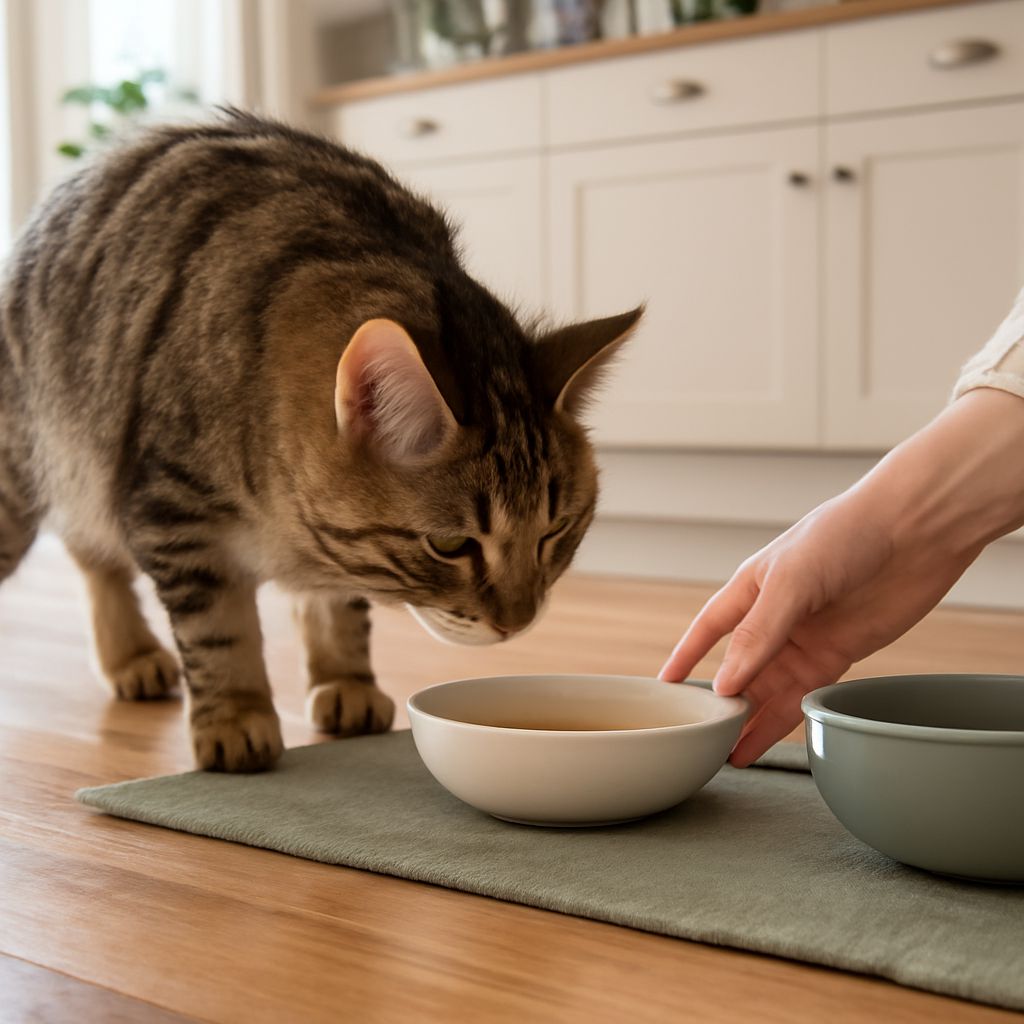
Imagine you’re enjoying a delicious chicken dinner when suddenly, you spot your curious cat sniffing around your plate. In a split second, your cat snatches a chicken bone and darts under the table. Panic sets in—can cats eat chicken bones, or is this a recipe for disaster? Many pet owners find themselves in a similar scenario, unsure about the risks if their beloved feline ate chicken bone fragments or a whole piece. Knowing exactly what to do can make all the difference in keeping your companion safe and healthy.
Understanding whether chicken bones are safe for cats is essential, especially since some feline nutrition myths suggest that bones mimic a natural diet. However, the reality is far more complicated. Let’s explore the safety, potential hazards, and best steps to take if your cat gets ahold of poultry bones.
Are Chicken Bones Safe for Cats?
At first glance, eating chicken bones may seem natural for felines, as wild cats consume whole prey, including bones. However, domesticated cats face different risks with cooked or processed bones commonly found in human diets. Raw bones—sometimes offered in raw feeding regimes—are less brittle than cooked ones, but they’re not without hazards and require careful handling.
Cooked chicken bones become especially fragile and can easily break into sharp splinters. These sharp fragments are more likely to harm a cat’s digestive tract compared to the denser, sturdier bones in raw prey. Veterinarians generally advise against feeding any chicken bones, whether raw or cooked, to household cats due to the unpredictability of both their digestive responses and the risk of injury.
While small pieces may sometimes pass through a cat’s system without issue, the potential for choking, digestive blockages, or internal punctures is too significant to ignore. Commercially prepared cat foods are formulated to meet feline dietary needs without the hazards associated with real animal bones.
In summary, giving bones from chicken to cats is not considered safe. Even though the concept appeals to our sense of what’s “natural,” responsible pet care means erring on the side of caution and sticking to safer, nutritionally balanced alternatives.
What Happens If a Cat Ate Chicken Bone?
If your cat has managed to consume a chicken bone, several outcomes are possible, depending on the size, shape, and condition of the ingested bone. In some cases, a small bone may pass uneventfully through the stomach and intestines, emerging later in the litterbox. However, more often, there are potential complications to monitor closely.
Splinters or fragments from the bone might scrape the mouth, throat, or esophagus, leading to drooling, coughing, or discomfort. If the bone becomes lodged, your cat could display signs of choking, gagging, or trouble swallowing. Further down the digestive tract, a stuck bone can cause vomiting, abdominal pain, loss of appetite, or visible lethargy.
Pay attention to any unusual signs over the next 24–48 hours if your cat ate chicken bone pieces. Cats are expert at hiding pain, so subtle indicators—like hiding, refusing food, or changes in litterbox habits—could signal an issue. Internal injuries or blockages can escalate rapidly, making observation and timely intervention crucial.
Always err on the side of caution and seek veterinary guidance if you notice concerning symptoms after your cat has ingested chicken bones.
Potential Risks of Feeding Chicken Bones to Cats
The dangers associated with feeding chicken bones to cats are considerable and should not be underestimated. The most immediate concern is choking, as bones can block the airway or become lodged in the throat. This is a life-threatening emergency requiring prompt veterinary attention.
Beyond the risk of choking, bone fragments can puncture delicate tissues in the mouth, esophagus, stomach, or intestines. Such punctures can result in internal bleeding or infections, which may develop quickly and be difficult to detect until serious symptoms arise. Even if injury doesn’t occur, bones can block the digestive tract, leading to painful constipation, vomiting, or more severe gastrointestinal obstruction requiring surgery.
Additionally, bones that are not sterilized—such as those from raw chicken—can harbor harmful bacteria like Salmonella or Campylobacter. These pathogens pose a risk to both your cat and your household members, especially children or immunocompromised individuals who might come into contact with contaminated feces.
Due to these significant health risks, experts strongly discourage the intentional offering of chicken bones to household cats, regardless of their perceived “naturalness” or appeal.
What to Do If Your Cat Ate Chicken Bone
If you witness or suspect your cat has eaten a chicken bone, stay calm and assess the situation. Resist the urge to induce vomiting or attempt to remove bones manually, as this could cause further harm. Instead, immediately observe your cat for any signs of distress, such as gagging, drooling excessively, pawing at the mouth, retching, or noticeable discomfort.
Monitor your cat closely over the next 48 hours for any changes in appetite, bowel movements, or behavior. Even if your cat seems fine initially, issues can develop later as the bone travels through the digestive system. If you notice vomiting, constipation, lethargy, or evidence of pain, contact your veterinarian right away and provide details about what and how much was consumed.
Your vet may recommend monitoring at home if the bone was small and your cat is symptom-free, or they might advise diagnostic imaging to check for obstructions or injuries. Never give human medications or attempt home remedies unless instructed by a veterinary professional.
Prompt action and honest communication with your vet are the best ways to protect your cat’s wellbeing after accidental bone ingestion.
Healthier Alternatives to Chicken Bones for Cats
Rather than risking your cat’s safety with real bones, choose safer options that satisfy their chewing instincts and provide nutritional value. High-quality commercial cat treats and dental chews are formulated specifically for feline mouths and digestion, helping reduce tartar without the dangers of splintering or choking.
Cat-safe rawhide alternatives, freeze-dried treats, and specialized kibble shapes can engage your pet’s natural behaviors while supporting oral health. If you’re interested in a raw diet for your cat, consult a veterinarian or a feline nutritionist to develop a balanced plan that avoids the pitfalls of whole bones.
Enrich your cat’s environment with interactive toys, puzzle feeders, or catnip-infused items to redirect chewing and hunting instincts in a safe, constructive way. This approach not only keeps their teeth healthy but also promotes mental stimulation and overall wellbeing.
Ultimately, prioritizing nutrition and safety over novelty foods ensures a longer, healthier life for your feline companion.
Key takeaways: Chicken bones pose multiple dangers to cats, from choking to severe digestive injuries. If your cat eats chicken bone fragments or pieces, monitor closely and contact your vet with any concerns. Stick to vet-approved treats and diets to keep your cat both happy and safe.