
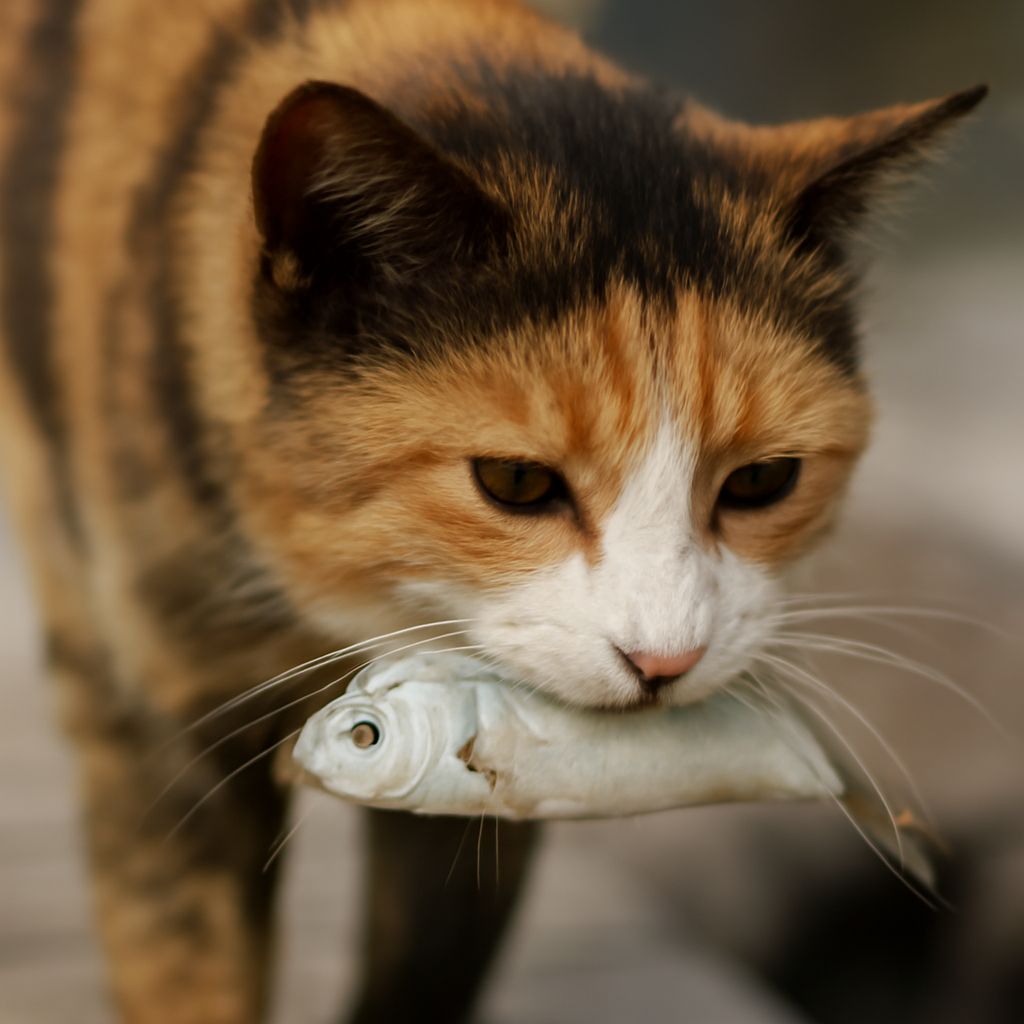
Open a can of tuna and a cat may arrive before you’ve found a fork. What makes fish so appealing to some cats? Its aroma can travel through the kitchen and announce a possible meal long before a morsel reaches the bowl.
The answer involves a cat’s nose, its sense of taste, and its history with food. Some cats are enthusiastic about fish; others will sniff it politely and walk away, leaving you to wonder who is really in charge of lunch.
Do Cats Like Fish All the Time?
Many do, but preferences vary from one cat to another. A cat may eagerly eat salmon-flavored food and ignore a piece of plain white fish. Another may prefer chicken, or object to a familiar flavor when it comes in an unfamiliar texture. Whether cats enjoy fish can depend on the particular meal; there is no requirement for a cat to enjoy seafood.
Why do cats like fish? Start with the whole experience rather than a single ingredient. Smell gets their attention, while flavor, texture, temperature, and previous encounters can all influence what happens next. The question of whether felines like fish has an individual answer, just as it does for the people opening the cans.
The nose gets there first
Fish has a distinctive aroma, and cats use smell to investigate food before eating it. One reason fish appeals to cats is that a strong scent may make a meal easier to notice and more interesting to approach. Warm food can release more aroma than cold food, which is one reason the same meal may seem more enticing at room temperature than straight from the refrigerator. Serve food fresh and follow the storage instructions on the package.
A cat’s interest in a fishy smell can also be learned. If the sound of a can opening has preceded a tasty meal, the sound itself may bring an audience. Your cat has made a connection between an ordinary kitchen noise and a rewarding event. It does not need a calendar reminder.
What taste adds to the attraction
Cats are obligate carnivores: they need nutrients found in animal tissues. They can detect umami, a savory taste associated with foods containing certain amino acids and other compounds. Fish provides a combination of flavors that may appeal to a cat, though different species and preparations smell and taste different.
In a study of feline umami perception, researchers suggested that compounds found in tuna might work together to produce a strong savory taste for cats. That is a plausible piece of the puzzle, not a verdict on every fish or every cat. A food’s aroma and texture join the conversation before your cat decides whether to eat it.
So why do cats love fish enough to patrol the kitchen? For some, an appealing scent and savory taste meet a pleasant memory. For others, the same smell earns only a brief inspection. The reasons cats may be drawn to fish can overlap, and you cannot identify one cause just by watching a cat sniff a plate.
Familiarity can shape a favorite
A cat introduced to a particular food early in life may be comfortable with its smell and texture later on. That history can help explain why a cat likes fish: repeated pleasant meals can reinforce a preference, while an unpleasant experience may make a food less appealing. These are possibilities, not a reliable record of your cat’s past: a preference alone cannot tell you exactly what happened before you met.
A preference can be quite specific. A cat that enjoys one fish-flavored food may respond to its familiar smell, the texture of its sauce, or the way it feels to eat. Change several of those details at once and the reaction may change, too. Watching how your cat responds to different foods is more revealing than expecting every fishy aroma to get the same reception.
When the smell comes from your dinner
Your cat’s interest in the fish on your plate doesn’t make every preparation suitable. Raw fish can carry harmful bacteria or parasites, and bones can cause choking or injury. Fish prepared for people may contain salt, sauces, onion, garlic, or other seasonings that are unsuitable for cats.
A complete cat food can contain fish, while a piece of fish alone does not provide a balanced long-term diet. The particular product and its preparation matter: a smell tells your cat very little about bones or seasonings. If you are considering a new treat for a cat with a medical condition, food allergy, or prescribed diet, ask your veterinarian whether it fits.
If your cat approaches whenever fish is served, does that mean you should share? No. A smell can be interesting all on its own. Whether a particular food is safe depends on what it contains and how it was prepared.