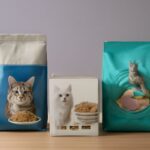
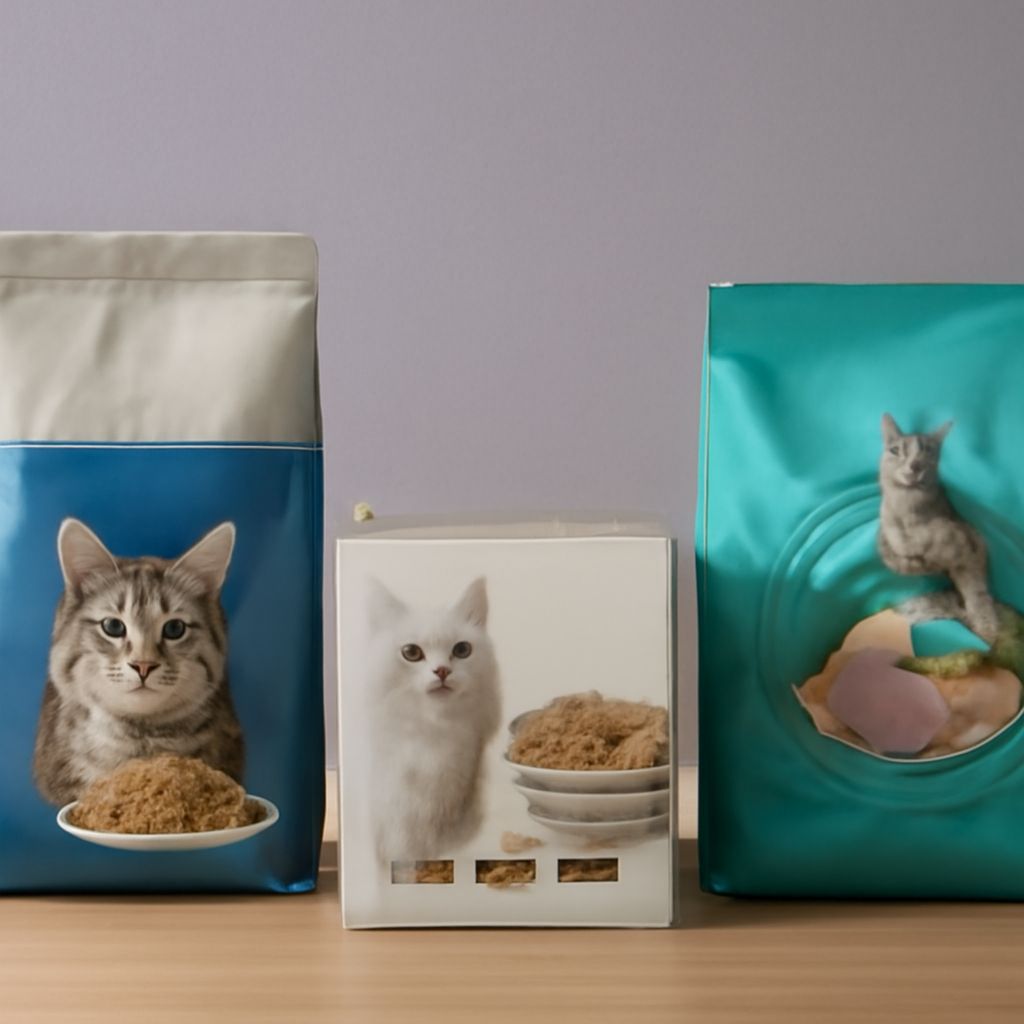
Imagine standing in the pet food aisle, dozens of colorful bags and cans vying for your attention. You want the best for your furry companion, but you’re unsure which options are truly safe. The sheer variety can be overwhelming, and you’ve heard whispers about the worst cat food brands and how they might be harmful. As a caring owner, your goal is to avoid cat food brands to avoid—yet without reliable guidance, making the healthiest pick feels daunting.
Your cat depends entirely on your choices, making it essential to recognize the warning signs and steer clear of the worst cat food. These products might contain questionable ingredients, lack essential nutrients, or simply fail to meet the standards your feline friend deserves. By learning what to watch for, you can confidently select food that supports your cat’s long-term well-being.
Why Identifying the Worst Cat Food Brands Matters
Choosing what your cat eats is about more than simply filling a bowl. Nutritional balance is crucial for every stage of your pet’s life, affecting everything from energy levels to coat condition. When you inadvertently select one of the worst cat food brands, you may be exposing your feline to poor-quality nutrition or even harmful additives. These inferior products can contribute to long-term health issues such as digestive upset, dull fur, and reduced vitality.
Many mass-market cat food brands to avoid manage to cut costs by using low-grade ingredients or fillers, which offer minimal true value. While the packaging may look appealing and claim to be “complete” or “balanced,” these assertions sometimes mask deficiencies or the inclusion of unnecessary, even controversial, additives. By being aware of which labels to approach with skepticism, you actively protect your cat’s health and happiness.
Identifying the worst cat food available on shelves also empowers you as a consumer. You influence industry standards through your purchasing decisions, encouraging companies to prioritize quality over profit. Transparent sourcing, responsible manufacturing, and honest labeling are all supported when more cat owners demand better food for their pets. Ultimately, making informed choices has a ripple effect, benefitting not only your own cat but also the wider cat community.
Common Ingredients in Cat Food Brands to Avoid
Certain ingredients consistently appear in the worst cat food brands. These substances are often favored by manufacturers looking to reduce costs or enhance shelf life, but they rarely offer real nutritional benefit. By recognizing what to skip, you can spot problematic brands before they reach your cart.
One major red flag is the excessive use of meat by-products or vaguely labeled animal derivatives. While not all by-products are inherently bad, their quality varies and they may include parts that offer little digestible nutrition. Fillers like corn, wheat, or soy are also prevalent in cat food brands to avoid; cats are obligate carnivores, so a diet overloaded with grains can disrupt their digestive health and provide empty calories.
Artificial preservatives (such as BHA, BHT, and ethoxyquin), flavors, and synthetic colors are other telltale signs of the worst cat food options. These additives extend shelf life or enhance appearance but do not support your pet’s well-being. Likewise, sweeteners like corn syrup or caramel coloring should be bypassed, as they have no place in a healthy feline diet. Focusing on ingredient lists that highlight quality meats, clear protein sources, and essential nutrients helps you avoid inferior food choices.
Red Flags When Choosing Cat Food
Spotting poor-quality cat food brands involves more than scanning the ingredient list. Packaging and marketing claims often distract from the realities inside. One warning sign is an overabundance of generic terms like “meat meal” or “animal digest” without clear species identification. High-quality products specify protein sources, such as “chicken meal” or “salmon,” providing transparency for the consumer.
Another indicator of cat food brands to avoid is heavy reliance on marketing buzzwords—“premium,” “natural,” or “gourmet”—with little supporting evidence or certification. If the label lacks an AAFCO (Association of American Feed Control Officials) nutritional adequacy statement, it’s wise to be cautious. Genuine, well-formulated foods will meet or exceed these established nutritional profiles.
Price can sometimes be misleading. While the worst cat food is often inexpensive, some higher-priced brands are not immune to questionable practices. Always look beyond cost to evaluate overall value and safety. Pay attention to recalls, customer complaints, and the brand’s reputation for quality control. This approach ensures you don’t fall into the trap of assuming a well-marketed product is automatically a better choice for your cat.
How to Find Better Alternatives to the Worst Cat Food
Transitioning away from cat food brands to avoid doesn’t have to be stressful. Start by consulting with your veterinarian about your cat’s unique dietary requirements, especially if your pet has allergies, sensitivities, or special health needs. Professionals can recommend reputable brands with clean labels and strong nutritional credentials.
Seek out foods that prioritize high-quality animal protein listed first on the ingredient panel. Look for transparency in sourcing and manufacturing, as trustworthy companies often provide detailed information about where their ingredients come from. Avoid foods that rely heavily on plant-based proteins, excessive carbohydrates, or artificial additives—common traits of the worst cat food brands.
Small-batch or specialty brands may offer more rigorous quality standards, but always watch for credible third-party certifications or AAFCO compliance. Slowly transition your cat to new foods, mixing small amounts with the old to prevent digestive upset. Tracking your cat’s coat shine, energy, and litter box habits can help guide your decisions and signal improvements in overall health.
Final Thoughts on Avoiding the Worst Cat Food Brands
Choosing the right cat food is a vital part of responsible pet care. By learning to recognize the characteristics of the worst cat food brands and cat food brands to avoid, you’re taking proactive steps to ensure your feline enjoys a balanced, nourishing diet. Prioritizing ingredient quality, transparency, and reputable manufacturing sets the foundation for your cat’s long-term wellness.
Pro tips recap: Read labels critically, seek input from veterinary professionals, and prioritize foods with clear protein sources and minimal fillers. Your vigilance not only safeguards your own cat but helps promote higher standards across the pet food industry.