
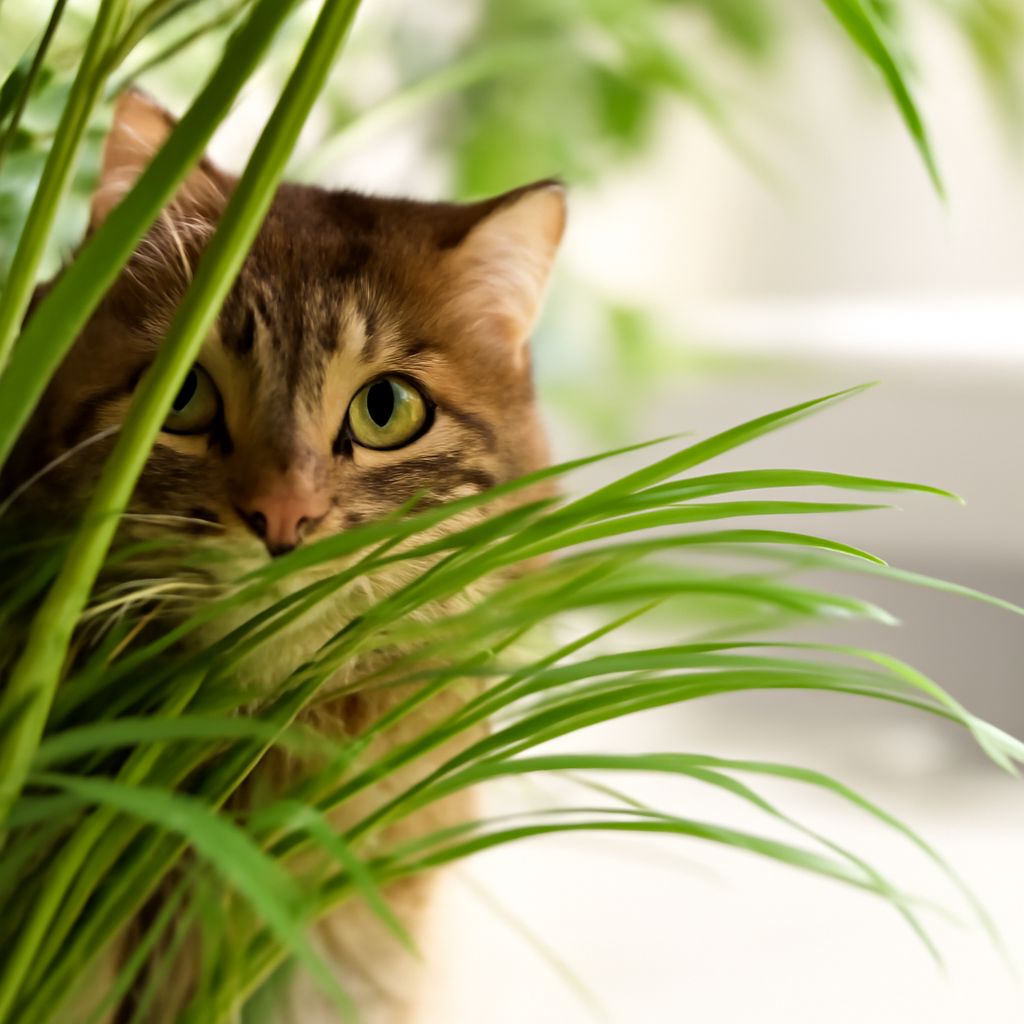
Imagine you’re relaxing at home, sunlight spilling across your living room, when you spot your feline friend nibbling on a leafy houseplant. For a moment, you worry—are these plants for cats, or could they be dangerous? Your cat’s curiosity is natural, but as a responsible pet owner, knowing which plants cats can eat brings peace of mind and transforms your home into a safe, stimulating sanctuary. Finding plants safe for cats to eat not only protects your pet, but also enriches their environment, making every day more enjoyable and worry-free for both of you.
Welcoming greenery into your living space is rewarding, but with so many choices, it’s easy to feel overwhelmed. You may wonder which options offer enjoyment without risk or how to support healthy plant chewing habits for your cat. This article will guide you through understanding your cat’s chewing behavior, highlight excellent plants for cats, show how to introduce them safely, and help you avoid toxic varieties—setting your feline up for safe exploration and satisfaction.
Understanding Why Cats Chew on Plants
Cats are naturally inquisitive, and their instinct to chew on foliage is rooted in evolutionary behavior. In the wild, felines often munch on grasses and leaves to aid digestion, help move hairballs, and provide a little mental stimulation. The act of chewing on plants for cats can also satisfy their need for variety and texture in their daily routine, especially for curious indoor kitties.
Chewing is more than just play; it’s a sensory experience. Your cat may be drawn to the texture, taste, or even the scent of certain greens. Some cats also chew as a way to relieve boredom or stress, making it an important signal for owners to observe. Offering safe, edible plants lets your pet engage this behavior in a controlled, healthy way, reducing the temptation to try unsafe options.
Recognizing the difference between a harmless nibble and a destructive habit is essential. Excessive chewing, especially on unsuitable houseplants, may be a sign that your cat needs more mental stimulation, alternative textures, or even a diet tweak. Understanding the reasons behind your cat’s chewing habits helps you make informed decisions about which plants cats can eat and how to offer better choices.
Top Plants for Cats That Are Both Safe and Enjoyable
When considering plants for cats, it’s crucial to select varieties that are proven safe and offer sensory appeal. Among the most popular options, cat grass (often a blend of wheatgrass, barley, or oats) stands out. Cat grass is easy to grow indoors and provides a satisfying chew, aiding in digestion and reducing hairballs. Another feline favorite is catnip (Nepeta cataria), which offers both edible leaves and a playful, mood-boosting effect for many cats.
Valerian (Valeriana officinalis) and silver vine (Actinidia polygama) are also worth considering. Though not every cat reacts to these plants, those who do may experience stimulation or gentle relaxation when chewing on fresh leaves. Spider plants (Chlorophytum comosum) are non-toxic to cats and their arching leaves are irresistible to playful paws—just be aware they can sometimes cause mild tummy upset if eaten in large amounts, so moderation is key.
Including a variety of greenery ensures your cats can eat a range of safe textures and flavors. Other choices like lemongrass and certain types of basil are non-toxic and offer aromatic enrichment for your pet. Always verify the safety of any new plant before introducing it to your environment, as even well-meaning choices can pose risks if misidentified.
How to Introduce Plants Cats Can Eat Into Your Home
Successfully incorporating plants cats can eat into your living space starts with careful planning. Select sturdy pots that won’t tip easily, and place edible greenery in locations your cat can access but where soil spillage is minimized. For cat grass, shallow containers work best, while trailing plants like spider plant can be hung or placed on shelves within reach.
Begin with just one or two varieties, monitoring your cat’s interest and ensuring no adverse reactions. Offering a rotating selection can keep things fresh and reduce the risk of over-nibbling any single plant. Try introducing new plants gradually, allowing your cat to acclimate to the scent and texture before they become a staple in your home.
Keep soil covered with decorative stones or mesh to prevent digging, and rinse leaves regularly to remove dust or residue. Consistency matters—refill or replace cat grass pots as needed, and prune edible plants to maintain their shape and health. With a little routine care, plants safe for cats to eat will thrive and provide ongoing enrichment.
Risks to Avoid: Toxic Plants and Safe Alternatives
Even the most pet-friendly homes can harbor hidden hazards. Many common houseplants are toxic to cats, including lilies, philodendrons, and pothos. Ingesting these can cause a range of issues, from mild irritation to serious health consequences. Always verify the safety of every new plant you bring home, consulting reputable sources or your veterinarian if unsure.
Opt for alternatives proven not to harm curious chewers. Alongside cat grass and catnip, consider maranta (“prayer plant”), areca palm, and calathea as options that add greenery without danger. Avoid using pesticides or chemical fertilizers on any plants your cats might eat—stick with organic soil and natural pest control methods.
By proactively removing or relocating hazardous plants and replacing them with ones cats can safely enjoy, you minimize risk and support your pet’s well-being. Keeping a list of safe and unsafe varieties handy can simplify future plant purchases and prevent accidental mix-ups.
Encouraging Healthy Plant Chewing Habits in Cats
Fostering good chewing behavior starts with making edible options appealing and accessible. Place cat grass or other safe plants in favorite lounging spots, encouraging your cat to chew these rather than off-limits greenery. Reward interest in cat-friendly plants with gentle praise or play, reinforcing positive associations.
If your cat shows excessive interest in non-edible or decorative plants, use scent deterrents like citrus peels or bitter sprays on those to redirect behavior. Regularly rotate or refresh the selection of plants for cats so your pet doesn’t lose interest or develop destructive habits out of boredom.
Finally, observe your cat’s chewing patterns and health. If you notice unusual changes or persistent attempts to eat unsafe plants, consult with your veterinarian or a feline behaviorist for tailored advice. Encouraging healthy chewing not only enriches your cat’s environment but also builds a stronger bond between you and your feline family member.
Next steps: Start by selecting one or two plants safe for cats to eat, and observe your cat’s response. Maintain your greenery with regular care and refresh options as needed. With patience and attention, you’ll create a plant-filled home that’s both beautiful and safe for your cherished companion.