
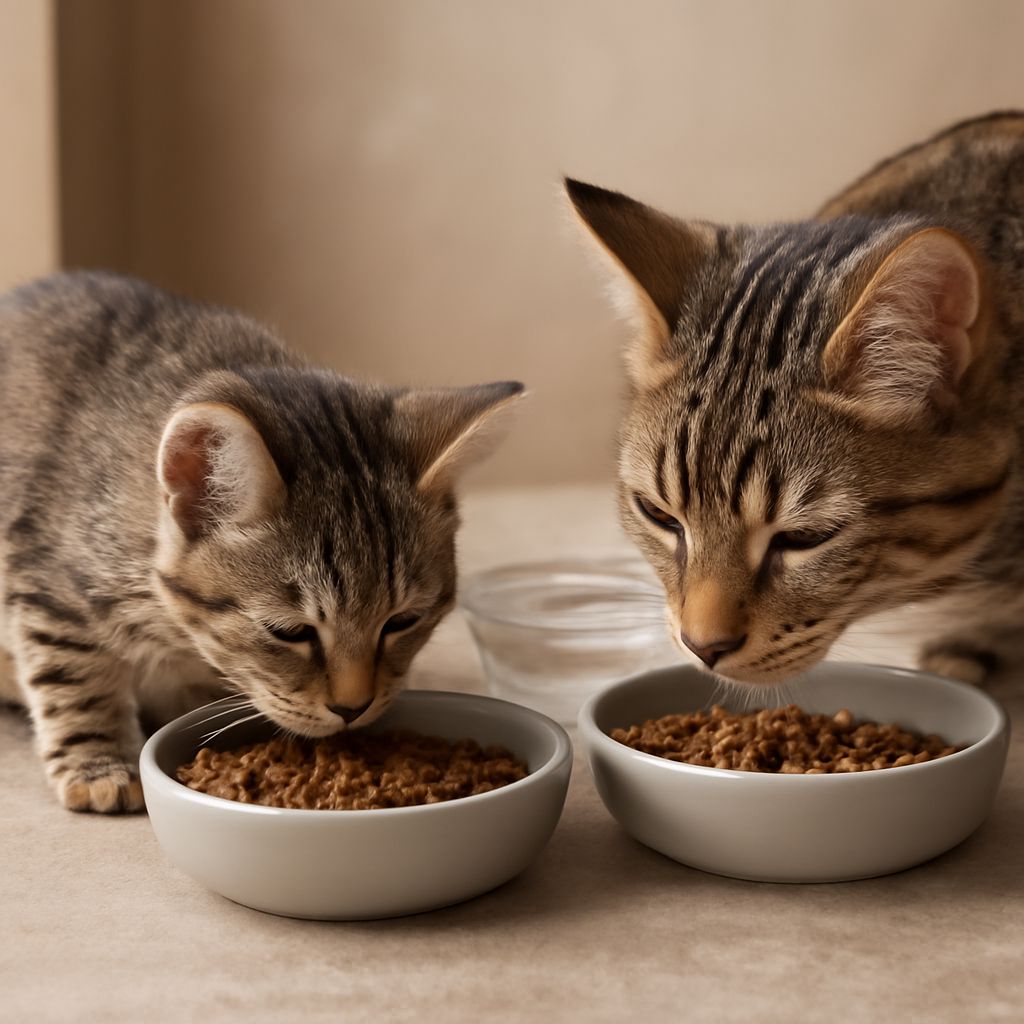
Picture yourself in the pet food aisle, comparing bags labeled for every life stage. You’ve been feeding your growing kitten a special diet for months, but now you wonder: when to switch from kitten to cat food? At the same time, you may be asking when to switch to adult cat food to ensure your young feline thrives. It’s normal to feel unsure—nutrition changes are a big step in giving your companion the best possible care.
As your kitten grows into an adolescent, their dietary requirements shift. Understanding the right timing and method for this transition is crucial for your cat’s health and well-being. Let’s break down the essentials of moving from kitten to adult cat meals, so you can support your pet’s growth and lifelong vitality with confidence.
Understanding Kitten and Adult Cat Nutrition
Kitten diets are intentionally designed to fuel rapid development. Young felines need higher levels of protein, specific fats, and key nutrients like DHA and vitamins to support muscle growth, brain development, and a robust immune system. These early months are all about supporting your kitten’s energy needs and growth spurts.
On the other hand, grown cats require a more balanced blend that focuses on maintenance rather than growth. Adult cat foods usually contain fewer calories and adjusted nutrients to help maintain a healthy weight once your pet’s development levels off. Too much of the rich kitten formula can lead to weight gain or imbalanced nutrition in older cats.
As your pet approaches maturity, their digestive system and metabolism begin to change. This influences how efficiently they absorb and use nutrients from their food. Switching to a diet designed for adults ensures your cat continues to receive the right levels of protein, healthy fats, and essential vitamins—without the excess energy that can lead to obesity.
Understanding these differences can help you make informed decisions about when and how to switch from kitten to cat food. By recognizing the nutritional shift between life stages, you’ll be ready to support your pet’s evolving needs from playful kittenhood to content adult.
When to Switch from Kitten to Cat Food: Key Signs and Age Guidelines
The timing for transitioning from kitten food to adult meals typically falls between 10 and 12 months of age for most cats. However, individual growth rates and breed differences play a part. Larger breeds, such as Maine Coons, may benefit from kitten diets up to 15 months, as their growth phase can last longer. Always consider your cat’s unique pace of development, not just their birthday.
So how do you know when to switch to adult cat food for your feline? Watch for signs like reduced growth, more stable body weight, and a shift from kittenish play to adult-like behavior. Your veterinarian can help you assess your cat’s body condition and advise on the ideal timing. For most domestic cats, the transition happens around the first birthday, but regular check-ins at wellness appointments are important for fine-tuning the schedule.
Additionally, keep an eye on your kitten’s appetite and energy. If you notice they’re less voracious at mealtime or beginning to gain excess weight, it might be a signal to start considering a new feeding routine. Monitoring these changes helps ensure you’re meeting your pet’s needs at every stage, from weaning through the switch and beyond.
The key is to avoid making the switch too early, which could deprive your cat of crucial nutrients, or too late, which might lead to overfeeding and weight issues. With a little observation and guidance, you’ll know just when to move forward.
How to Transition from Kitten to Adult Cat Food Smoothly
Transitioning to adult food is best done gradually. Abrupt changes can upset your cat’s digestion and make them reluctant to eat. Start by mixing a small portion of the new adult formula with your kitten’s usual food—about 75% old recipe to 25% new. Over the course of 7 to 10 days, slowly adjust these ratios until your pet is eating only the adult blend.
Pay close attention to your cat’s reaction throughout the switch. Signs of digestive upset, such as diarrhea or vomiting, call for slowing down the process or consulting your veterinarian. Most cats adapt well to the new flavors and textures when the transition is slow and steady.
Consistent mealtimes and measuring portions help your cat adjust. Use a feeding schedule and watch for changes in appetite, stool quality, and overall energy. These clues ensure the new adult diet is being well tolerated and digested.
If you have a picky eater or a cat with special dietary needs, consult with your vet about appropriate adult foods or transition alternatives. There are many high-quality options, including grain-free, limited ingredient, and specialized formulas for sensitive stomachs.
Common Mistakes to Avoid During the Switch
One of the most frequent errors cat owners make is switching to adult food too soon. Young cats still in their rapid growth phase may miss out on vital nutrients if the transition occurs before they’re physically ready. Always confirm your cat is developmentally mature before making any dietary changes.
Another pitfall is transitioning too quickly. A rushed change can cause gastrointestinal upset, leading to refusal to eat or messy litter box issues. Take your time with the process, and never force a sudden swap in your kitten’s routine.
Some pet owners also forget to monitor portion sizes after the switch. Adult formulas are typically denser in nutrients but lower in calories, so it’s important to adjust portion sizes to match your grown cat’s appetite and activity level. Overfeeding can lead to unnecessary weight gain and related health challenges.
Finally, avoid offering treats and table scraps during the transition. This can mask whether your cat is truly accepting the new food and may contribute to digestive woes. Stick to the basics, and use healthy, species-appropriate treats only after your cat has fully adjusted.
Frequently Asked Questions About When to Switch to Adult Cat Food
Can I mix kitten and adult cat food for a while? Yes, it’s smart to combine the two during the transition period. Gradual mixing allows your cat’s digestive system to adapt and makes the new food more familiar.
What if my cat refuses to eat the adult food? If your pet is hesitant, try a different flavor or formula. Some cats need a bit more time or encouragement, but make changes slowly to avoid upsetting their stomach.
Will switching to adult food affect my cat’s health? Transitioning at the right time supports lifelong wellness. Delaying or rushing the switch can impact nutrition, so follow the guidelines and consult your veterinarian if unsure.
Is timing different for spayed or neutered cats? These cats may have slightly lower calorie needs, which makes portion control even more important during and after the switch. Choose a diet formulated for their needs if possible.
Safety recap: When transitioning from kitten to cat food, always proceed gradually and read product labels carefully. Use measuring tools and monitor your cat’s body condition to ensure a smooth and healthy change to their new diet.