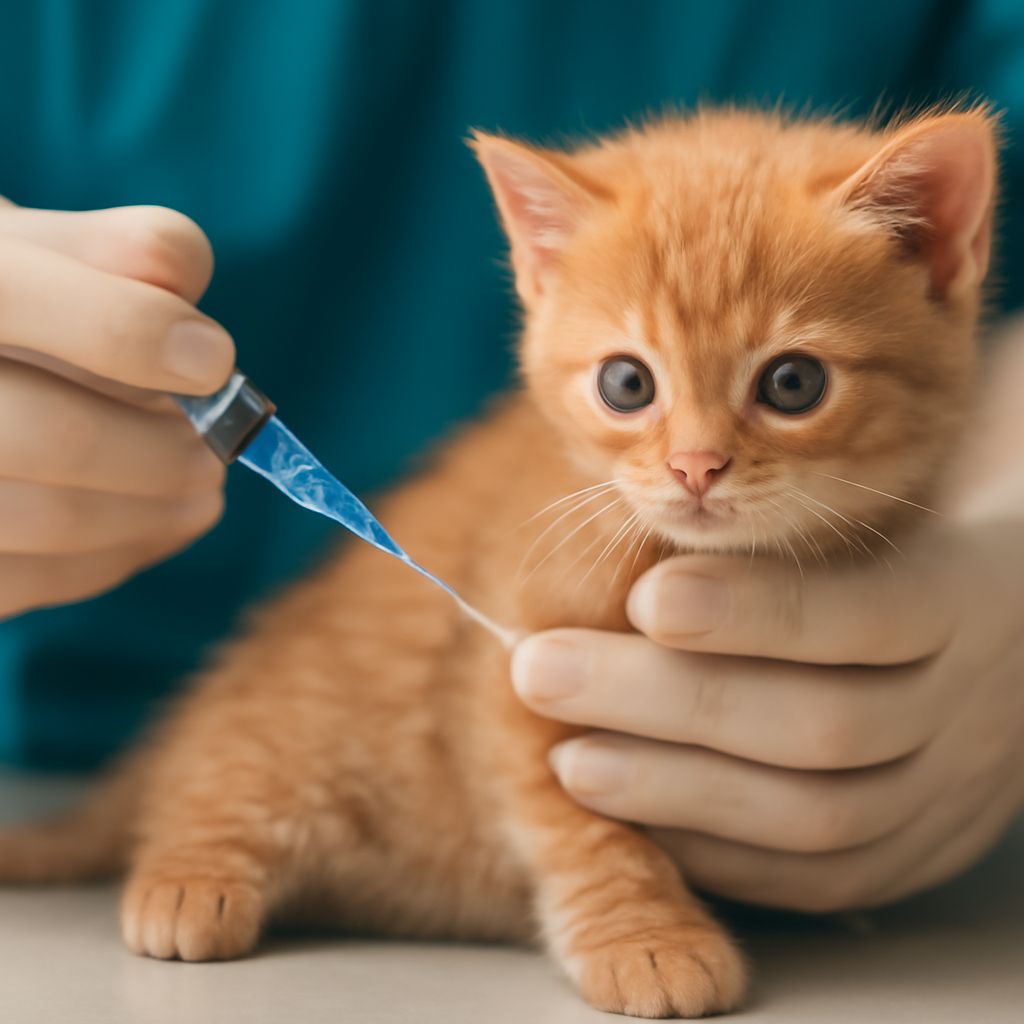
Imagine you are a cat owner, blissfully unaware that your beloved pet could be at risk for a highly contagious disease. One day, you observe your feline friend displaying lethargy and a lack of appetite. Your mind races as you recall reading about distemper in cats, a condition that can significantly impact their health. You wonder about the symptoms of this illness, how it is transmitted, and, most importantly, how to keep your cats distemper-free. By understanding the causes and taking preventive measures, you can protect your pet from the threat of distemper cats often face and ensure they live a healthy life.
What is Distemper in Cats?
Overview of Distemper in Cats
Distemper in cats, also known as feline panleukopenia, is a severe viral disease affecting the feline population. It is caused by the feline parvovirus and is characterized by a rapid decline in white blood cells, leading to a compromised immune system. Distemper is a highly contagious disease that can be life-threatening if not addressed promptly.
Causes of Distemper in Cats
The primary cause of feline distemper is the feline parvovirus. This virus is highly resilient and can persist in the environment for extended periods. Cats can contract the virus through direct contact with infected animals, their bodily fluids, or contaminated objects. Kittens and unvaccinated cats are particularly vulnerable to this disease.
Transmission of Distemper in Cats
Transmission of distemper in cats occurs through exposure to the virus in various ways. Infected cats shed the virus in their urine, feces, and nasal secretions. Healthy cats can become infected by coming into contact with these secretions or by being in an environment where the virus is present. The virus can also be transmitted via contaminated surfaces such as food dishes and bedding.
Symptoms of Distemper in Cats
Early Signs of Distemper in Cats
The early signs of feline distemper can be subtle but should never be ignored. They include a loss of appetite, mild fever, and general lethargy. Cats with distemper may also hide more often and display changes in their usual behavior.
Advanced Symptoms of Distemper Cats
As the disease progresses, more severe symptoms manifest. These include high fever, vomiting, and diarrhea, often leading to dehydration. Additionally, a cat may develop anemia due to a decrease in red blood cells. It is crucial to monitor any changes in your cat’s condition closely.
When to Consult a Veterinarian
If you notice any symptoms of distemper, it is imperative to consult a veterinarian immediately. Early intervention can significantly improve the chances of recovery. A veterinarian will conduct diagnostic tests to confirm the presence of the virus and recommend appropriate treatment options.
Preventing Distemper in Cats
Vaccination for Distemper Cats
Vaccination is the most effective method of preventing distemper in cats. The distemper vaccine is typically administered as part of a combination vaccine that protects against multiple feline diseases. Ensure your cat receives its vaccinations according to the schedule recommended by your veterinarian to maintain immunity.
Lifestyle Tips to Prevent Distemper Cat
In addition to vaccination, maintaining a clean environment and minimizing exposure to other cats, especially those of unknown health status, can help prevent the spread of distemper. Ensure that your cat’s living area is clean and that food and water dishes are regularly sanitized.
Importance of Regular Vet Check-ups
Regular veterinary check-ups are vital for early detection and prevention of diseases, including distemper. During these check-ups, your veterinarian can assess your cat’s overall health, update vaccinations, and provide you with the latest information on disease prevention strategies.
Treatment Options for Distemper Cats
Medical Treatments for Distemper Cat
While there is no cure for feline distemper, medical treatments focus on supportive care to manage symptoms and boost the immune system. Hospitalization may be necessary for severe cases, where intravenous fluids and antibiotics can help combat dehydration and secondary infections.
Home Care Tips for Cats with Distemper
If your cat is recovering from distemper at home, ensure they receive adequate hydration and nutrition. Offer small, frequent meals and provide a quiet, comfortable environment to aid their recovery process. Follow your veterinarian’s advice closely to ensure the best possible outcome.
Prognosis for Cats with Distemper
The prognosis for cats with distemper varies depending on the severity of the infection and the timeliness of treatment. Early intervention and supportive care significantly increase the chances of recovery. While some cats may recover fully, others may experience long-term health issues.
Bottom line: Distemper in cats is a serious disease that requires vigilance and prompt action. By understanding the symptoms, causes, transmission, and prevention strategies, you can protect your beloved feline from this potentially life-threatening illness. Regular vaccinations and veterinary check-ups are essential components of maintaining your cat’s health and well-being.