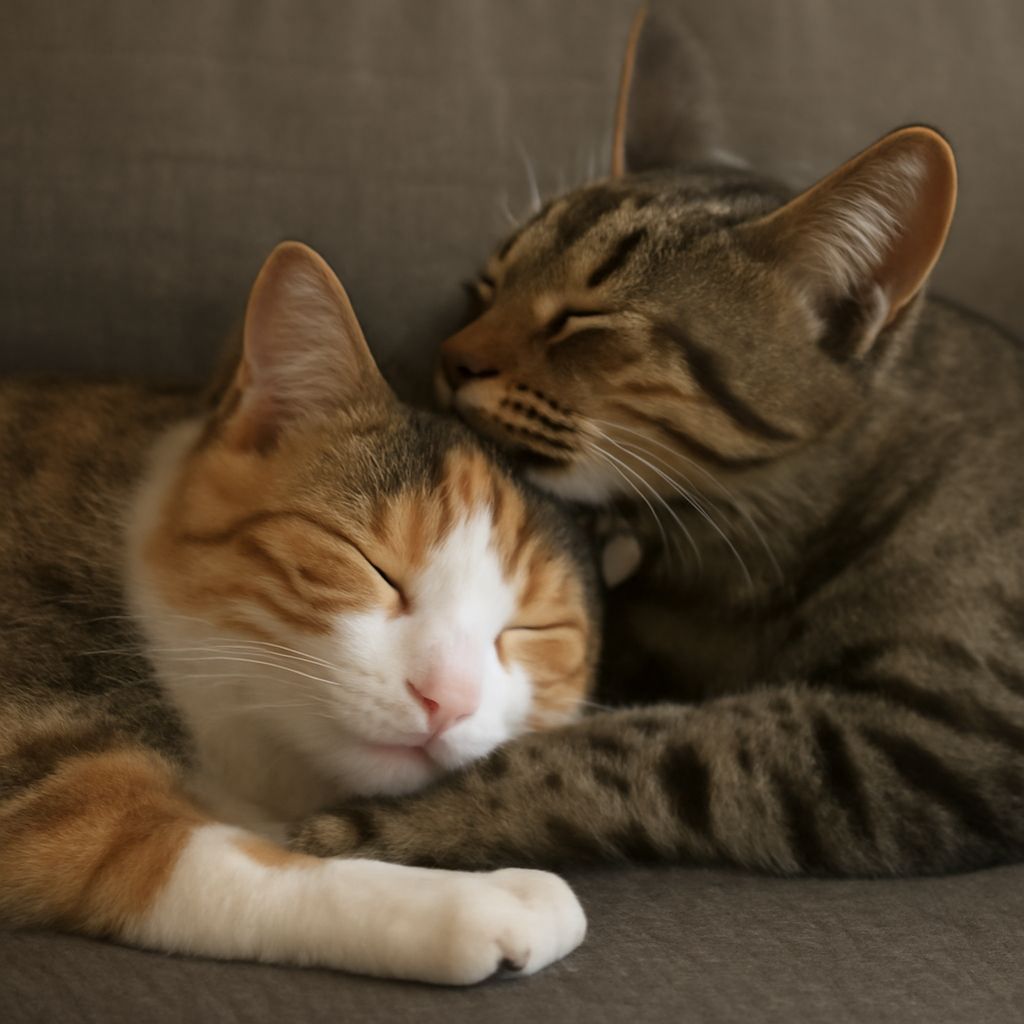
Imagine you’re lounging on your couch, sipping your favorite beverage, when your attention turns to your two cats snuggled together on the other side of the room. As one starts to lick the other, you might wonder, why do cats clean each other? Your mind wanders to the social and instinctual behaviors of these fascinating creatures and what it means when cats lick each other. Is this a mere grooming ritual, or does it signify something deeper about their relationship?
The rhythmic motion of their tongues might seem ordinary, yet it offers a glimpse into their complex world. As you watch their interaction, it becomes clear that this act of communal cleaning is more than a hygienic necessity; it’s a reflection of their innate nature and social dynamics. You realize that understanding why cats engage in this behavior involves looking beyond the surface, delving into both their instinctual drives and the signals they use to communicate.
Understanding Why Cats Lick Each Other
Social Bonding Among Cats
Cats licking each other is a significant indicator of their social bonding. This mutual grooming, known as allogrooming, is a way for cats to establish and maintain relationships within their group. It’s a behavior that strengthens the social ties between them and promotes unity.
Grooming and Hygiene
While cats are known for their self-grooming abilities, licking each other helps in places they can’t reach themselves. This cooperative grooming ensures that all members of the group maintain optimal hygiene, supporting their overall health.
Territorial Marking
Through licking, cats deposit scent markers from their saliva onto each other, reinforcing their bond and marking territory. This act ensures that their group identity is acknowledged and respected within their environment.
Stress Reduction and Comfort
Licking can serve as a comforting action that reduces stress. When cats groom each other, they produce endorphins, leading to a state of relaxation and enhancing their sense of security and comfort.
The Instinctual Behavior Behind Cats Cleaning Each Other
Maternal Instincts
The behavior of licking can be traced back to maternal instincts. Mother cats groom their kittens to clean them and stimulate their bodily functions. This foundational behavior is ingrained and often continues into adulthood among feline groups.
Pack Behavior in Domesticated Cats
Even domesticated cats retain certain pack behaviors, including grooming each other. This behavior mirrors the communal care that wild cats exhibit, emphasizing their instinct to look after one another within their social structure.
Communication Through Licking
Besides grooming, licking is a form of communication. Cats use this behavior to signal acceptance, dominance, and alliance within their group, which are key elements in maintaining peace and order.
Health Benefits of Cats Licking Each Other
Grooming each other not only maintains their coat but also offers health benefits. It helps reduce parasites and clean wounds, supporting the overall well-being of cats within a group.
What Does It Mean When Cats Lick Each Other?
Signs of Affection
When cats lick each other, it is often a sign of affection and a way to express their bond. This behavior shows trust and comfort, indicating that the cats have a positive relationship.
Assessing Cat Relationships
Observing how and when cats lick each other can be a useful tool in assessing their relationships. Frequent and gentle licking suggests harmony, whereas aggressive grooming might point to dominance issues.
When Licking Becomes Problematic
Excessive licking can sometimes indicate an underlying problem such as stress, anxiety, or medical issues. If a cat’s licking behavior becomes obsessive or harmful, it may require attention from a veterinarian.
Common Questions About Cats Licking Each Other
Why Do My Cats Lick Each Other Excessively?
Excessive licking among cats can be due to stress or changes in their environment. It’s important to monitor their behavior and consult a veterinarian if it persists or leads to skin irritation.
Is It Normal for Cats to Lick Each Other?
Yes, it is normal for cats to lick each other. This behavior is an important part of their social and hygienic practices. It reflects their instinct to groom and bond within their group.
Key takeaways: Cats licking each other is a fundamental social and instinctual behavior, primarily serving to reinforce bonds, maintain hygiene, and communicate within their group. Understanding the nuances of this behavior can enhance your appreciation of feline interactions and help identify when intervention is necessary.