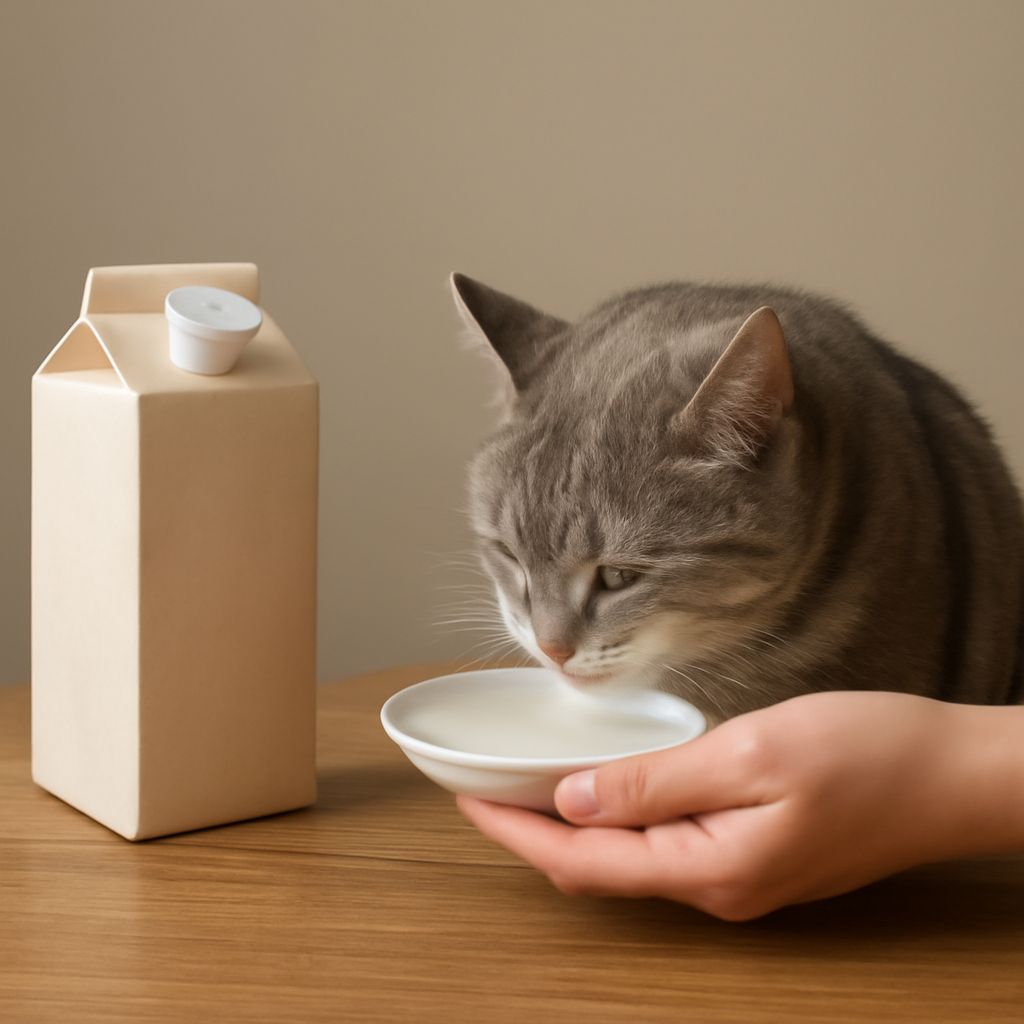
Imagine you’re at the grocery store, standing in the dairy aisle, pondering what type of milk might be safe for your beloved feline friend. Can cats drink lactose free milk, or is almond milk a more suitable choice? Perhaps you’ve heard mixed opinions about whether cats can have soy milk. As a responsible pet owner, you aim to make the best nutritional decisions for your cat. You’re not alone in this quest, and with some guidance, you can ensure that your furry companion stays healthy and happy.
Understanding Cats and Milk
Why Traditional Milk Is Not Ideal for Cats
Most people are familiar with the classic image of a cat lapping up a bowl of milk. However, traditional cow’s milk is not the best option for your feline. Adult cats often lack the necessary enzymes to properly digest lactose, the sugar found in milk. This inability to process lactose can lead to digestive upset, including diarrhea and stomach cramps.
Exploring Lactose Intolerance in Cats
Lactose intolerance in cats is quite common, much like it is among many humans. As kittens, they possess lactase, the enzyme needed to break down lactose, but they typically lose this ability as they mature. This natural progression makes lactose-rich milk a poor choice for adult cats. Instead, it’s crucial to explore lactose-free alternatives that cater to their dietary needs without causing digestive distress.
Can Cats Drink Lactose Free Milk?
Benefits and Risks of Lactose Free Milk for Cats
Lactose-free milk could be a safer option for cats who enjoy the taste of milk but cannot tolerate lactose. By removing the lactose, this type of milk reduces the likelihood of gastrointestinal problems. However, it’s essential to remember that even lactose-free milk should be offered in moderation. While it mitigates the risk of digestive upset, it doesn’t provide significant nutritional benefits and should not replace a balanced diet.
How to Introduce Lactose Free Milk to Your Cat
When considering offering lactose-free milk to your cat, it’s advisable to start with small amounts. Observe your cat for any adverse reactions over the next 24 hours. If your cat tolerates the milk without any issues, it can be given occasionally as a treat rather than a staple.
Soy Milk and Cats: A Safe Alternative?
Can Cats Have Soy Milk?
Soy milk is another alternative that some cat owners consider. However, the question remains: can cats have soy milk without harm? While soy milk is free from lactose, it contains plant-based proteins that aren’t naturally found in a cat’s diet. These proteins can sometimes cause sensitivities or allergies in felines.
Potential Risks of Soy Milk for Cats
Feeding your cat soy milk could lead to digestive problems or allergic reactions. Additionally, soy can interfere with normal thyroid function in cats. Due to these potential issues, it’s generally recommended to avoid offering soy milk to your cat regularly. Consult your veterinarian for the most appropriate dietary advice tailored to your pet’s specific needs.
Is Almond Milk OK for Cats?
Nutritional Content of Almond Milk
Almond milk is another popular dairy alternative. It’s low in calories and free from lactose, which might make it seem appealing for cats. However, almond milk lacks the essential nutrients that cats need to thrive. Importantly, it does not provide the taurine and protein necessary for maintaining a cat’s health.
How Almond Milk Affects Cats
While almond milk may be safer than traditional milk, offering it to your cat doesn’t provide any significant nutritional benefits. If your cat enjoys the taste, small quantities might be acceptable, but it shouldn’t replace water or a nutritionally balanced diet specifically formulated for felines.
Conclusion: Choosing the Right Milk for Your Cat
Alternatives to Milk for Cats
When it comes to choosing the right milk for your cat, it’s crucial to prioritize their overall nutrition. Water should always be the primary source of hydration. For cats that enjoy milk-like treats, specially formulated cat milks available in pet stores can be a safer alternative, as they are designed to meet feline dietary needs.
Consulting Your Veterinarian
Before introducing any new food or drink to your cat’s diet, including milk alternatives, consult your veterinarian. They can provide personalized guidance based on your cat’s health, age, and dietary requirements, ensuring you make the best decisions for your pet’s well-being.
Next steps: Observing your cat’s reaction to different milk alternatives is vital. Always prioritize their health and nutrition by consulting with veterinary professionals to tailor their diet to their unique needs.